

Maddy summaryHB 777 requires Pennsylvania public school districts to pay education support professionals (like aides and clerical staff) a minimum hourly wage of $20 or a living wage based on cost-of-living adjustments, starting in the 2025-2026 school year. School districts must make supplemental payments to cover wage gaps for existing contracts below this rate through 2029-2030, with the Department of Labor setting and annually adjusting the living wage using the Consumer Price Index. The Department of Education will reimburse districts for these supplemental payments, adding the reconciled amount to their annual funding allocation. This applies directly to over 500 school districts and their education support staff, ensuring wage standards align with inflation.
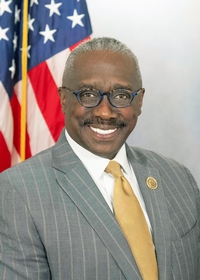
Rep. Dan Williams
Sponsored bills
Maddy summaryThis bill adds a new supplemental monthly annuity to certain Pennsylvania state retirees' benefits, effective July 2025. It applies to retirees receiving superannuation, withdrawal, or disability annuities who retired before July 2, 2001, and do not have specific service credits (like Class D-4 or Class AA). The additional payment amount is a percentage of their July 2025 monthly annuity, ranging from 10% to 20% based on their retirement date. The cost will be funded through equal annual installments over 10 years starting July 2026.
Maddy summaryThis resolution designates September 2025 as "Prostate Cancer Awareness Month" in Pennsylvania. It symbolically raises public attention to prostate cancer, highlighting statistics like an estimated 13,000 new cases and 1,500 deaths in Pennsylvania during 2025. The resolution also urges Congress to support federal legislation (H.R. 1300) that would require health insurance coverage for prostate cancer screenings without cost-sharing for at-risk men. It does not create new laws or funding but aims to promote awareness and encourage preventive care.
Maddy summaryHB 936 modifies Pennsylvania's child care subsidy program by reducing copayments for parents who work in the child care field. It requires that families where a parent or caretaker is employed as a child-care worker or direct support professional (in either family child-care homes or licensed centers) pay no more than 15% of their annual income for subsidized care, regardless of their income level. This change applies to all qualifying child care settings defined in the bill, including family child-care homes (serving 4-6 unrelated children) and centers (serving 7+ children). The policy aims to lower financial barriers for child care workers seeking subsidized care for their own children.
Maddy summaryHB 924 amends Pennsylvania's Public Utility Code to establish internet neutrality protections for residents. It prohibits internet service providers (ISPs) from blocking lawful content, impairing traffic based on content, engaging in paid prioritization, or using deceptive marketing practices. The bill defines key terms like "broadband Internet access service" and requires ISPs to clearly disclose service details to customers. The Pennsylvania Public Utility Commission will enforce these rules, and violations would be considered unfair trade practices under existing consumer protection law. This applies to all ISPs operating broadband services in Pennsylvania, directly affecting how they manage internet traffic for consumers.
Maddy summaryHB 111 prohibits life insurance companies in Pennsylvania from denying coverage, limiting benefits, or charging higher rates to applicants or policyholders solely because they have been prescribed an opioid overdose reversal agent (like naloxone). The bill directly affects individuals who use these medications, including those with opioid use disorder or at risk of overdose. It defines "adverse action" to include these discriminatory practices and makes such actions violations of existing laws against unfair insurance practices. The law takes effect 60 days after enactment.
Maddy summaryHB 33 amends Pennsylvania's Medical Marijuana Act to clarify definitions and strengthen oversight of testing labs and practitioners. It defines key terms like "independent laboratory" (requiring no ties to marijuana businesses) and "approved laboratory" (testing medical marijuana samples under department approval). The bill gives the Department of Health new authority to impose conditions on medical practitioners, such as limiting certifications or requiring supervision, to protect patient safety. These changes directly affect medical marijuana patients, healthcare providers who certify them, and labs testing products for quality and safety. The updates aim to improve accountability in the program through clearer rules for lab accreditation and practitioner oversight.
Maddy summaryThis bill allows Pennsylvania courts to end long-term parole supervision for eligible individuals who have been under supervision for at least five consecutive years and are at least 40 years old. The process requires a formal petition filed by either the Department of Corrections or the parolee, which must be reviewed by the sentencing court. Courts must evaluate multiple factors including community safety risks, the individual's conduct history, financial hardship, and efficient use of department resources before deciding whether to terminate supervision. The law applies to all parole cases regardless of when the sentence was originally imposed and ensures victims, prosecutors, and relevant parties receive notice and an opportunity to be heard during the review process.
Maddy summaryThis bill amends Pennsylvania's Tax Reform Code to exclude sales and use taxes on firefighting equipment purchased by paid or volunteer firefighters using their own money. To qualify for this tax exemption, firefighters must present a department-issued identification card at the time of purchase, which the Department of Revenue will issue to individuals holding approved certifications. The legislation defines firefighting equipment as items designed to extinguish, control, or stop fires or protect users and property from fire hazards. This change directly affects individual firefighters and retailers selling firefighting gear, while establishing new administrative procedures for identification card issuance.
Maddy summaryHB 894 establishes the Veterans Entering the Sustainability Sector Program (VETSS) to help veterans enter jobs in renewable energy and environmental sectors. The bill creates a Veterans Entering the Sustainability Sector Fund to provide grants to eligible employers - businesses focused on renewable energy (like solar, wind, or bioenergy) that hire veterans who completed approved apprenticeship training in fields such as electrician work, solar installation, or environmental maintenance. The Department of Community and Economic Development will administer the program, overseeing training development and grant applications. This directly affects veterans seeking sustainability-sector careers and employers in renewable energy who hire them, with the goal of addressing environmental concerns like climate change through workforce development.