

Maddy summaryThis bill amends Pennsylvania's Municipalities Planning Code to update definitions and requirements for local zoning, subdivision, and land development. It specifically establishes new definitions for renewable energy facilities, including solar and wind systems with a minimum capacity of two megawatts, as well as energy storage and combined generation facilities. The legislation requires local comprehensive plans to include protections for natural resources and agricultural operations while allowing local ordinances to set specific rules for reviewing and processing renewable energy projects. Additionally, the bill mandates that review fees for renewable energy facilities be handled according to a separate section of the code, ensuring a structured approach to siting and permitting these developments.
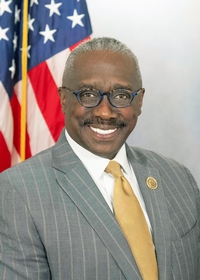
Rep. Dan Williams
Sponsored bills
Maddy summaryThis bill creates a new program within the Pennsylvania Department of Education to fund school districts that adopt evidence-based staffing models designed to improve student learning. The legislation allows districts to receive grants to expand advanced teaching roles where effective teachers lead teams, share leadership responsibilities, and receive additional compensation tied to measurable student outcomes. Key provisions require that these staffing changes include protected time for collaboration, flexible scheduling, and alignment with other state education priorities like structured literacy. Ultimately, the bill aims to support districts in implementing innovative compensation and organizational structures that replicate successful teaching practices across the Commonwealth.
Maddy summaryThis bill amends Pennsylvania's Election Code to establish stricter deadlines for handling election returns and resolving disputes. It requires the Secretary of the Commonwealth to tabulate and certify election results within five days after election day, with a mandatory notification process if this timeline cannot be met. Additionally, the law mandates that county courts decide election appeals within seven days of filing and allows immediate appeals to the Supreme Court, which must also issue a ruling within a tight seven-day window. These changes directly affect county boards of elections, the Secretary of the Commonwealth, state courts, and election officials by enforcing faster processing times for primary and general election results.
Maddy summaryThis bill amends Pennsylvania's Insurance Company Law to update definitions and provisions related to health insurance coverage. It clarifies how certain government health programs are defined for insurance policies, specifically regarding prescription drug coverage and continuation of coverage for employees who lose their jobs. The legislation also updates the legal definition of a hospital to include facilities operating alcoholism or drug addiction treatment programs and establishes a Long-Term Care Partnership Program to help individuals manage future long-term care costs.
Maddy summaryHR 301 is a resolution directing the Legislative Budget and Finance Committee to study how racial wealth disparities specifically impact Black residents in the Commonwealth. The study must examine these disparities and develop concrete policy recommendations to reduce or eliminate them. This resolution does not create new laws but requires the committee to produce findings and actionable suggestions for future legislative consideration. It directly affects Black residents by focusing on systemic economic inequities within the state.
Maddy summaryHB 1944 amends Pennsylvania law to create a "safe harbor" protection for individuals required to report suspected child abuse (mandated reporters) who report under Section 6308(a) of Title 18. The bill directly affects professionals like teachers, doctors, and social workers who have a legal duty to report abuse. Its key provision shields these reporters from legal consequences if they report suspected abuse in good faith, even if the report later proves incorrect. This change aims to encourage reporting by reducing fear of liability for honest mistakes. The bill is currently referred to the Judiciary Committee.
Maddy summaryThis bill amends Pennsylvania's Tax Reform Code to clarify and strengthen tax exemptions for charitable, religious, volunteer fire, and nonprofit educational organizations. It requires these groups to use tax-exempt purchases only for their qualified purposes, excluding unrelated business activities and major construction projects from the exemption. The legislation also establishes a process for the Department of Revenue to issue conditional tax-exempt status to new organizations and allows for the revocation of exemptions if an organization no longer meets public charity requirements.
Maddy summaryHB 2252 makes it a crime to share someone's intimate image without consent, including AI-generated images that falsely depict them in nudity or sexual conduct. It directly affects individuals whose intimate images are shared non-consensually, whether the images are real or artificially created using AI or photo editing. The law establishes misdemeanor penalties (from second to first degree) based on factors like the victim's age, the sharer's intent (e.g., to harass, profit, or cause harm), and whether multiple images were shared. This bill updates Pennsylvania's sexual offenses law to specifically address the growing threat of AI-generated intimate images, ensuring they face the same legal consequences as real non-consensual image sharing.
Maddy summaryHB 836 prohibits Pennsylvania from interfering with the use of medically appropriate assisted reproductive technology (ART), such as in vitro fertilization (IVF), ensuring individuals can access these services without state restrictions. The bill defines ART to include specific fertility procedures and requires that any new state laws must comply with this protection unless explicitly exempted by the legislature. It takes effect immediately, providing direct safeguards for individuals seeking ART services and healthcare providers offering them.
Maddy summaryHB 497 would amend Pennsylvania's Election Code to ban foreign-influenced corporations from making political contributions or expenditures. A "foreign-influenced corporation" is defined as one where a foreign investor (such as a foreign government or entity) owns 1% or more of its equity (or 5% in aggregate) or influences its U.S. political activities. The bill prohibits these corporations from contributing to candidates, political parties, committees, or ballot questions, or spending money to support or oppose elections. Violations would trigger penalties under the Election Code, directly affecting corporations meeting the foreign-influence criteria.