

Maddy summaryThis law gives Pennsylvania licensing boards temporary power to create short-term rules specifically for professional licensing compacts that the state has joined. These temporary regulations must be published in the Pennsylvania Bulletin and will automatically expire on that publication date, while the rules themselves must end no later than three years after being issued. Once these temporary rules expire, any future regulations for these compacts must follow the standard rulemaking process required by existing law. The bill affects state agencies responsible for overseeing licensed professions and ensures that any new compact-related rules are time-limited.
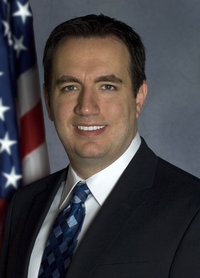
Rep. Frank Burns
Sponsored bills
Maddy summaryThis bill establishes a workfare pilot program for Temporary Assistance for Needy Families recipients in Pennsylvania's fourth and fifth class counties. Under the new provisions, individuals receiving cash assistance would work forty-hour weeks for employers while receiving partial benefits that gradually decrease over time. After six months of work, recipients would receive up to seventy percent of their assistance, and after twelve months, they would receive full wages with their cash benefits terminated. The program is designed to transition participants from welfare to employment through a structured timeline of reduced support.
Maddy summaryThis bill proposes a constitutional amendment to prevent local taxing authorities in Pennsylvania from raising their property tax millage rates to fund special real property tax provisions. The change directly affects local governments and property owners by restricting how these entities can adjust tax rates for specific property-related programs. By inserting a new clause into the existing text, the legislation ensures that any special tax provisions cannot be financed through an increase in the standard property tax rate. This measure aims to limit the ability of local officials to modify tax structures for these specific purposes without additional legislative approval.
Maddy summaryThis bill requires individuals applying for licenses as health care practitioners in Pennsylvania to submit fingerprints for criminal history background checks. The Pennsylvania State Police will conduct state and federal checks to identify any arrests or convictions, with results sent only to the Department of State to determine eligibility. Licensing boards may deny credentials based on these findings, and the state must establish secure procedures for handling this sensitive information. The law applies to various professions including medicine, nursing, dentistry, and pharmacy, and it takes effect 180 days after signing.
Maddy summaryThis bill updates Pennsylvania laws to clarify how medical records can be obtained and the fees associated with them. It directly affects patients, their attorneys, and healthcare providers by setting specific prices for copying and retrieving medical charts. Under the new rules, patients and their representatives can access their own records without needing a subpoena, while other parties must pay a set fee for search, retrieval, and copying services. The act also establishes different rates for paper copies versus electronic records and requires these fees to be adjusted annually based on inflation.
Maddy summaryThis bill directs the Pennsylvania General Assembly to reject specific regulations proposed by the Bureau of Professional and Occupational Affairs regarding how criminal convictions should be considered in professional licensing. The legislation effectively blocks these rules from becoming official law, ensuring that the Bureau cannot enforce the new standards for evaluating applicants with criminal records. By disapproving the regulations, the bill maintains the status quo and prevents the Bureau from altering the current framework for professional licensure based on criminal history.
Maddy summaryThis bill updates Pennsylvania's Medicare Supplement Insurance Act to clarify definitions and establish rules for open enrollment. It defines "medicare supplement policies" to include specific group insurance plans while excluding those offered by certain employers, labor organizations, and professional associations. The legislation requires insurers to issue policies within one month of application and payment, prohibits discrimination based on health status or medical history, and limits preexisting condition exclusions for applicants with at least six months of prior coverage. These changes aim to standardize how these insurance products are sold and ensure broader access for eligible individuals.
Maddy summaryThis bill amends the Public School Code of 1949 to require schools to identify the September 11 anniversary as a day for a moment of silence. The change directs the Department of Education to specify how this observance should be integrated into the school curriculum. By updating the statutory language, the legislation ensures that the moment of silence is formally recognized within the state's educational framework.