

Maddy summaryHB 564 updates Pennsylvania law to establish a new mental health crisis response system. It requires the Department of Human Services to create and operate this system, including training crisis responders and coordinating care. The bill directly affects individuals experiencing mental health crises and the state agencies responsible for emergency mental health services. Key provisions mandate specific duties for DHS to ensure timely, accessible crisis support statewide. The bill passed final passage on July 14, 2025, and is now under review by the Health & Human Services committee.
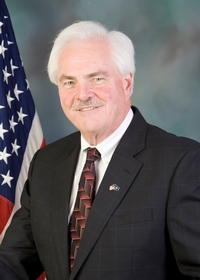
Rep. Lee James
Sponsored bills
Maddy summaryHB 1740 would prohibit abortions for pregnancies at 24 or more weeks gestational age in Pennsylvania, directly affecting medical providers performing such procedures. The bill requires medical providers to examine for a fetal heartbeat before proceeding with an abortion and mandates that medical judgment be based on that examination. It also specifies that medical consultation must address the fetal heartbeat and the patient's condition. The bill is currently referred to the Judiciary committee, with no further action taken as of July 16, 2025.
Maddy summaryHB 1726 amends the Child Labor Act to update definitions, specify permissible occupations for minors (including in performances), and clarify employer responsibilities. It repeals the existing work permit requirement for minor employees. The bill also includes specific provisions for newspaper delivery jobs and updates administrative procedures. This legislation directly affects minors working in covered occupations and the employers who hire them.
Maddy summaryHB 1725 amends Pennsylvania's Liquid Fuels Tax Municipal Allocation Law to expand eligibility for road maintenance funds. It specifically allows municipalities to receive allocations for using recycled asphalt in "mixed use design" projects, meaning roads or streets that combine recycled asphalt with other materials during maintenance. This directly affects local governments managing public roadways who currently use or plan to use recycled asphalt in their maintenance work. The bill changes the funding criteria to include these mixed-use asphalt applications, providing clearer access to tax-generated road maintenance funds.
Maddy summaryHR 253 is a resolution directing Pennsylvania's Joint State Government Commission to create a task force and advisory committee focused on improving access to drug and alcohol treatment for people with substance use disorders. The task force, composed of four legislative members appointed by leadership, will work with an advisory committee of 26 stakeholders - including health officials, treatment providers, law enforcement, recovery advocates, and individuals in recovery - to examine barriers to treatment, review existing policies, and gather input from families and communities. The committee will analyze prevention services, recovery support, and quality care factors, then submit recommendations to the legislature within one year. This resolution does not change current law but establishes a process to inform future policy decisions on substance use disorder treatment access.
Maddy summaryHB 1703 would amend Pennsylvania's 1971 Tax Reform Code to change how personal income tax applies to businesses that pass income to owners, such as partnerships and S corporations. The bill introduces an option for these businesses to pay tax at the business level instead of having the tax pass through to individual owners. It also clarifies rules for taxing income from these businesses and handling taxes paid to other states. This change would directly affect business owners and Pennsylvania's tax collection process.
Maddy summaryHB 309 amends Pennsylvania's Osteopathic Medical Practice Act (1978) to update licensing rules for osteopathic physicians and related healthcare providers. It changes registration requirements from annual to biennial (every two years), clarifies rules for visiting team physicians at sports events, and adjusts continuing medical education requirements. The bill directly affects licensed osteopathic physicians, nonresident practitioners, medical students, and healthcare facilities employing osteopathic staff. Signed into law on July 7, 2025 (Act No. 29), it streamlines administrative processes without creating new licensing barriers.
Maddy summaryHB 1410 updates Pennsylvania's CPA licensing law to modernize professional practice rules. It removes outdated requirements for out-of-state CPAs to prove "substantial equivalency" and replaces this with automatic mobility for qualified individuals seeking to practice in Pennsylvania. The bill also clarifies licensing for accounting firms, adds new discipline rules for violations, and revises certificate issuance procedures. These changes primarily affect licensed CPAs, accounting firms, and professionals seeking to practice in Pennsylvania under updated standards.
Maddy summaryHB 1590 removes specific regulatory requirements that clinics must meet to receive payment for services provided within their own facilities under public assistance programs like Medicaid. This change directly affects clinics offering on-site care covered by these programs, simplifying their billing process. The bill amends the Human Services Code to eliminate the need for clinics to comply with certain prior payment rules when services occur inside their physical premises. It focuses solely on modifying reimbursement procedures without altering eligibility or funding levels.
Maddy summaryHB 1680 requires school entities (including districts, charter schools, and cyber charters) to follow specific processes for curriculum changes and increase public access to course materials. It mandates that school boards present proposed curriculum changes at a regular meeting and cannot approve them until the next meeting. Starting in the 2026-2027 school year, schools must post online links to primary course resources, syllabi, and state standards within 30 business days of updates, without violating copyright laws. The bill applies to all public and private schools covered under Pennsylvania's Public School Code.