

Maddy summaryThis bill amends Pennsylvania's Construction Code Act to create a funding mechanism for residential construction workforce training. It allows municipalities to charge an optional fee of up to $10 on residential permits, which would be collected and deposited into a new state account. Money from this account would be used to award grants to nonprofits, educational institutions, and local governments for training programs, apprenticeships, and equipment. A key provision requires that these grants be directed to counties where the original permit fees were collected to support local housing needs. The bill also mandates detailed annual reports on how the funds are spent and the outcomes of the training programs.
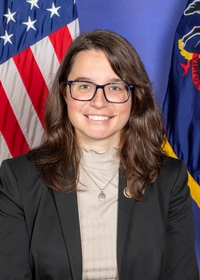
Rep. Abby Major
Sponsored bills
Maddy summaryThis bill amends Pennsylvania's Municipalities Planning Code to create a streamlined approval process for high-density housing in designated growth areas. It requires the state Department of Community and Economic Development to establish rules that allow municipalities to fast-track land use decisions for vacant lots in zones where such housing is already permitted by right. The expedited process applies specifically to attached or detached homes, including accessory dwelling units, provided they meet minimum density standards and do not involve environmentally sensitive or hazard-prone areas. To support this initiative, the bill mandates the use of pre-approved building plans, concurrent review procedures, and a technical assistance hub to help local governments reduce delays and meet permitting timelines.
Maddy summaryThis bill creates a new Office of Transformation and Opportunity within the Governor's Office to streamline economic development projects and coordinate resources across state agencies. The office will act as a central hub to speed up permit reviews, manage funding applications, and ensure that projects benefit disadvantaged communities. It also establishes a Commonwealth Housing Ombudsman to resolve disputes and align policies related to residential housing needs. The office will be led by a Chief Officer appointed by the Governor, who will report directly to the Governor and produce annual reports on economic progress.
Maddy summaryThis bill creates a new grant program in Pennsylvania to encourage the construction of workforce housing in areas that might otherwise resist such development. Local governments can apply for funding if they commit to adopting at least five specific pro-housing policies, such as reducing permit fees, allowing higher-density zoning, or eliminating parking requirements. The program aims to increase home ownership and support major economic projects by providing financial assistance to counties and municipalities that streamline their housing approval processes.
Maddy summaryThis bill directs the Joint State Government Commission to study the creation of a statewide housing accelerator and review current approval processes that delay construction. The study will examine how inconsistent zoning rules, conservation district backlogs, and permitting steps slow down residential projects, while also looking at successful strategies used by other states. The commission is tasked with developing recommendations to streamline these procedures and expand housing availability, with a final report due to the General Assembly within one year.
Maddy summaryThis bill amends Pennsylvania vehicle laws to provide temporary fuel price relief by reducing specific taxes on gasoline and fees for electric vehicle road users. For the first six months after it takes effect, the state will eliminate certain fuel taxes, and for the following six months, it will cut those fees by half. To ensure consumers benefit directly, the law requires fuel dealers to pass these savings on by lowering sale prices and prohibits them from keeping the tax reduction as extra profit. The Department of Revenue must estimate the resulting loss in state revenue, and the State Treasurer is then required to transfer that amount from a budget reserve fund to maintain highway maintenance financing.
Maddy summaryHR 240 is a resolution designating January 2026 as "Stalking Awareness Month" in Pennsylvania. This resolution formally recognizes the month to promote public awareness about stalking and encourage community efforts to address the issue. It does not create new laws or funding but serves as a symbolic designation to highlight stalking prevention and support resources. The resolution was referred to the Judiciary committee and reported as committed in 2025.
Maddy summaryHB 2068 allows Pennsylvania county courts (second class A and third through eighth class, including home rule counties) to charge a $10 automation fee when legal cases are filed. The fee funds technology upgrades for court offices through a dedicated "prothonotary automation fund." Fees may increase every three years, but only by the percentage change in the Consumer Price Index (CPI-U), not exceeding inflation. This directly affects anyone filing new court cases in participating counties.
Maddy summaryHB 2064 increases the maximum fee that clerks of courts in Pennsylvania counties of second class A and third through eighth class (including home rule counties of the same class) can charge for initiating a legal action to $10 (from $5). The fee must be deposited into a county-specific "automation fund" to cover only court technology updates and automation improvements. Future fee increases are capped at the three-year Consumer Price Index change and can occur no more than once every three years. This bill directly affects residents and businesses filing lawsuits in these specific counties.
Maddy summaryHB 1479 amends Pennsylvania laws related to protection from abuse and victim support for sexual violence or intimidation. It updates definitions and expands available legal relief options for two specific groups: individuals seeking protection from domestic abuse and victims of sexual violence or intimidation. The bill focuses on clarifying statutory language and strengthening procedural pathways for obtaining court-ordered protections. These changes directly affect Pennsylvania residents who are victims of these specific harms and seek legal remedies through the state's judicial system. The bill is currently pending in committee after being referred to the Judiciary Committee.