

Maddy summaryThis bill is a ceremonial resolution that designates June 12, 2026, as "Women Veterans Day" in Pennsylvania to honor the contributions of female military service members. The measure does not create new laws or change any government policies; instead, it serves to formally acknowledge the state's approximately 70,000 women veterans and highlight their growing presence in the armed forces. The text includes background information on the history of women in the military and notes specific challenges they face, such as higher rates of military sexual trauma and lower utilization of veteran benefits. Ultimately, the resolution aims to raise awareness about these issues rather than implementing concrete programs or funding changes.

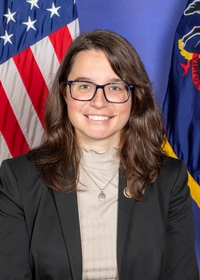
Rep. Abby Major
Sponsored bills
Maddy summaryThis bill (HB 2024) requires Pennsylvania's Office of the Deputy Adjutant General for Veterans' Affairs to create a mandatory training program for county veterans affairs directors. The program must cover specific topics like trauma-informed care, military sexual trauma, PTSD, and traumatic brain injury, developed in collaboration with the State Association of County Directors of Veterans Affairs. It directly affects county-level veterans' service staff who assist veterans across Pennsylvania. The training program becomes effective 180 days after the bill's passage.
Maddy summaryHB 2687 amends Pennsylvania's Public Official Compensation Law to establish automatic annual salary increases for judges, the Governor, Lieutenant Governor, State Treasurer, Auditor General, Attorney General, public utility commissioners, department heads, and General Assembly members. The bill mandates that these raises, effective each January 1, be calculated using the lower of two inflation measures: the regional Consumer Price Index or the nationwide index for wage earners. Under this new system, the Supreme Court determines judicial raises, the Governor sets executive branch increases, and the legislative leaders calculate adjustments for lawmakers. The legislation also requires these salary changes to be published in the Pennsylvania Bulletin within a specific timeframe after the calculation is made.
Maddy summaryHB 1135 prohibits the use of paraquat, a specific chemical pesticide, within Pennsylvania. It defines paraquat by its chemical identifier (CAS number 4685-14-7) and includes related salts, making it unlawful for farmers, agricultural businesses, or any pesticide users to apply it in the state. The bill amends Pennsylvania's 1973 Pesticide Control Act to add this prohibition, effective one year after enactment, and overrides any conflicting existing regulations. This directly affects pesticide users and applicators operating in Pennsylvania.
Maddy summaryHB 2109 prohibits Pennsylvania local governments (like cities, towns, and counties) from setting household size limits based on familial relationships (such as parents with children or roommates). It allows occupancy limits only for verified health/safety standards (like building codes) or to comply with federal/state affordable housing program rules. The bill directly affects renters, homeowners, and local officials who previously enforced such restrictions. Key definitions clarify that "familial relationship" includes blood, marriage, adoption, or foster care ties, and "local government unit" covers all Pennsylvania municipalities. This bill takes effect 60 days after enactment.
Maddy summaryHB 1106 establishes a certification program for chiropractic assistants in Pennsylvania. To become certified, individuals must be at least 18, have a high school diploma, complete an approved training program, pass an exam, and meet background requirements. Certified assistants can only perform tasks delegated by a licensed chiropractor under direct on-premises supervision and must complete 16 hours of continuing education (including 8 in-person hours) every two years to maintain certification. The bill also makes minor editorial changes to the existing Chiropractic Practice Act.
Maddy summaryHB 2173 updates Pennsylvania's Medical Practice Act of 1985 by adding new definitions and licensing requirements for medical imaging professionals. It specifically creates licensing categories for roles like medical imaging professionals, radiation therapists, radiologist assistants, and trainees, defining their scope of practice (including modalities such as MRI, CT scans, ultrasound, and nuclear medicine). The bill removes outdated provisions about radiologic procedures and education requirements while establishing certification standards through recognized medical imaging certification organizations. This directly affects healthcare workers performing imaging procedures, requiring them to obtain board licenses based on their certified modalities. The changes clarify professional responsibilities and ensure consistent training standards for these healthcare roles.
Maddy summaryThis bill designates a specific bridge in Indiana County, Pennsylvania, as the Private Robert M. Pittman Memorial Bridge in honor of a local World War II veteran. The legislation officially names the structure after Private Pittman, who lost his life aboard the USS Dorchester, and directs the state Department of Transportation to install and maintain signs with this new name for public visibility. By changing the bridge's official title, the act serves as a commemorative measure to recognize Pittman's service and sacrifice rather than altering any traffic laws or infrastructure requirements.
Maddy summaryHB 2491 amends Pennsylvania's Public School Code to update rules regarding student transportation for public and charter schools. The bill clarifies that school districts must provide free transportation to charter school students within ten miles, mirroring the terms used for public school students, while also allowing districts to use public transit for certain routes. Additionally, the legislation restricts the use of common carriers like buses for transporting kindergarten through sixth-grade students and outlines specific conditions under which walking is permitted instead of providing a ride.
Maddy summaryThis bill creates a new Office of Housing Opportunity within Pennsylvania's Department of Community and Economic Development to oversee housing production goals. The office will be led by a Deputy Secretary appointed by the Governor and will work with other state agencies to develop and meet ten-year housing targets. A new advisory committee will be formed to guide the office, including representatives from the General Assembly, local governments, and housing experts. The office will also manage a grant program for residential economic development districts and publish annual reports on housing progress.