

Maddy summaryThis bill expands the definition of "establishment" under Pennsylvania's human trafficking laws to include various venues such as hotels, motels, truck stops, and transportation hubs. It mandates that owners and managers of public lodging establishments provide human trafficking awareness training to their employees within 90 days of hiring or the bill's effective date, with specific content on identifying victims and reporting signs of exploitation. The legislation also requires these businesses to maintain records of employee training for two years and submit proposed training materials to the Department of Labor and Industry for approval. Additionally, the bill introduces enforcement mechanisms, including administrative and criminal penalties for violations, while allowing for affirmative defenses if an establishment can prove it took reasonable steps to prevent trafficking.
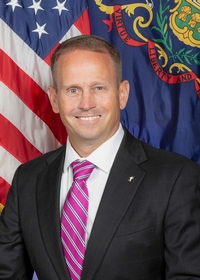
Rep. Eric Nelson
Sponsored bills
Maddy summaryThis bill updates the definitions of daily, monthly, and weekly drawings under Pennsylvania's Local Option Small Games of Chance Act, which governs licensed charitable gaming organizations. It clarifies that chances for these games cannot be sold for more than $10 and limits participants to one chance per drawing, while also allowing winners to be selected using random number generators or state lottery methods. The changes apply to eligible groups that run these games and will take effect 60 days after the bill is enacted.
Maddy summaryThis resolution designates July 2024 as MECP2 Duplication Syndrome Awareness Month in Pennsylvania to highlight a rare genetic condition that primarily affects boys. The bill aims to increase public understanding of the disorder's symptoms, which include severe gastrointestinal issues, frequent respiratory infections, and treatment-resistant seizures, while also noting its strong link to autism. By officially recognizing this month, the legislation seeks to draw attention to the challenges faced by affected families and the ongoing research into potential future treatments.
Maddy summaryPennsylvania House Bill 1684 updates state laws regarding child custody by establishing clearer definitions for terms like "equal parenting time" and "supervised physical custody." The bill introduces a rebuttable presumption that shared physical custody and equal parenting time are in a child's best interest during temporary custody orders, requiring courts to maximize time with each parent unless specific factors suggest otherwise. It also outlines new procedures for obtaining temporary custody orders based on affidavits and agreements, while expanding the list of factors judges must consider, including any criminal convictions of the parents. These changes aim to standardize how courts evaluate custody arrangements and ensure that parenting plans are explicitly detailed in legal orders.
Maddy summaryThis bill modifies Pennsylvania's tax laws by adjusting personal income tax rates and eliminating a specific tax on the gross receipts from the sale of electric energy. It requires electric utilities to pass the savings from these tax changes directly to consumers through reductions in state tax surcharges, with civil penalties of up to $5,000 for companies that fail to do so. Additionally, the legislation mandates that $6 million annually be transferred to the Alternative Fuels Incentive Fund starting in the 2024-2025 fiscal year. The bill also establishes a revenue-neutral reconciliation rule that will remain in effect until the end of 2024.
Maddy summaryThis bill modifies Pennsylvania's Human Services Code to establish a system of copayments for families receiving subsidized child care. The primary mechanism involves setting weekly fees that vary based on a family's income, with the amount capped at a specific percentage of their annual earnings. Additionally, the legislation allows for reduced copayments for parents who work additional wage-earning hours beyond minimum requirements, provided they meet certain income and documentation standards. Families must have an annual income below a defined threshold to qualify for these subsidies, and the department retains the discretion to adjust fee structures and eligibility limits based on available funding.