

Maddy summaryHR 143 is a non-binding resolution designating March 18, 2025, as "Public Defender Day" in Pennsylvania. It symbolically honors public defenders' work but does not create new laws, impose costs, or directly affect any individuals or entities. The resolution was referred to the Judiciary Committee, amended, and ultimately laid on the table (stalled) on May 30, 2025, meaning it did not advance further. This is a ceremonial measure with no substantive policy impact.
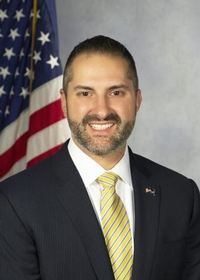
Rep. Steve Malagari
Sponsored bills
Maddy summaryHB 1524 amends the Public Transportation Assistance Fund provisions within Pennsylvania's Tax Reform Code of 1971. The bill revises how funds are managed or allocated for public transportation programs, directly affecting state transportation agencies and public transit providers receiving these funds. It modifies specific sections of the existing tax code governing this dedicated fund. The bill was recently referred to the Transportation committee for further consideration. (3 sentences)
Maddy summaryHB 1523 would impose an excise fee on rides provided by transportation network companies (TNCs) like Uber or Lyft in Pennsylvania. The bill amends specific sections of state law related to municipalities, public utilities, and transportation to require this fee to be collected on each ride. The fee would directly affect TNC operators, who would be responsible for paying and collecting it from riders. This policy change creates a new revenue stream for transportation-related funds under the amended statutes.
Maddy summaryHB 1510 amends Pennsylvania's transportation laws to establish a structured framework for sustainable mobility programs, directly affecting state transportation agencies and organizations receiving state funds for projects like bike lanes, pedestrian infrastructure, or electric vehicle charging networks. Key provisions define sustainable mobility, streamline funding applications and approvals, clarify federal funding coordination, and create separate programs for asset improvements, new initiatives, and statewide projects. The bill also sets a small purchase threshold for simpler project approvals and removes outdated rules about evaluating private investment opportunities. These changes aim to standardize how the state manages and funds non-traditional transportation infrastructure.
Maddy summaryHB 1516 would amend Pennsylvania's vehicle code to require auto insurance companies to offer discounts to drivers who complete a state-approved driver improvement course. This bill directly affects Pennsylvania drivers who have taken such courses and seek lower insurance premiums. The key provision adds these discounts to the state's financial responsibility requirements, allowing insurers to reduce premiums for course completers. The bill does not change course content or requirements but creates a new incentive for drivers to improve their driving skills.
Maddy summaryHB 1519 amends Pennsylvania's 1921 Insurance Company Law to require casualty insurance policies to cover mental illness treatments. This directly affects insurance companies writing casualty policies and policyholders seeking mental health services. The key provision mandates that insurers include mental health coverage in standard casualty policies, aligning it with other health coverage requirements. The bill focuses on expanding access to mental health care by ensuring it is covered under these specific insurance policies.
Maddy summaryHB 1502 updates Pennsylvania vehicle noise regulations under Titles 42 (Judiciary) and 75 (Vehicles). It requires all vehicles, including snowmobiles and all-terrain vehicles, to meet specific muffler and exhaust system standards to control noise. The bill also modifies vehicle inspection procedures, allowing inspectors to suspend operator certificates for violations, and imposes penalties for non-compliance. These changes directly affect vehicle owners, dealers, inspectors, and manufacturers by setting clearer noise control requirements and enforcement mechanisms.
Maddy summaryHB 1499 updates Pennsylvania's child custody laws under Title 23. It clarifies definitions, establishes clearer rules for awarding primary physical custody, and requires courts to consider criminal convictions when making custody decisions. The bill also mandates parenting plans and specifies factors judges must evaluate, directly affecting parents, judges, and child welfare agencies involved in custody cases. The legislation was recently referred to the Judiciary Committee on May 28, 2025.
Maddy summaryThis bill increases monthly pension payments for two groups of Pennsylvania veterans: 1) Blind veterans (defined as those with 3/60 or 10/200 vision or worse from service-connected injuries) now receive $200/month (up from $150). 2) Amputee/paralyzed veterans (with two limbs at ≥40% disability rating per VA standards) now receive $200/month (up from $150). Eligibility requires Pennsylvania residency at enlistment or current residence, honorable military service, and VA-certified disability. The change takes effect 60 days after enactment.
Maddy summaryThe context provided does not include the specific policy details or provisions of HB 754. While the bill's title indicates it amends Pennsylvania's County Pension Law (1971) regarding "supplemental benefits," the description lacks concrete information about what those benefits entail, who would receive them, or how the changes would operate. Without additional details on the bill's content, a factual summary of its policy mechanisms or direct effects cannot be provided. For a complete summary, the full text of the bill or an official description would be required.