

Maddy summaryHB 1362 establishes Pennsylvania's Taxpayer Dividend Program to return a portion of the state's budget surplus to individual taxpayers. The program would pay eligible residents up to $1,000 each, calculated as the lesser of $1,000 or a per-person share of the General Fund surplus (as of June 30, 2025). To qualify, taxpayers must have filed a 2024 individual or joint tax return and paid their taxes on time. The Department of Revenue would identify eligible taxpayers and calculate payments, then forward details to the State Treasurer for disbursement.
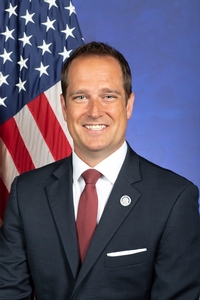
Rep. Ryan Warner
Sponsored bills
Maddy summaryHB 1298 amends Pennsylvania's Election Code to allow certain absentee voters to apply for a ballot after the standard 15-day deadline (by 5 PM on the fifteenth day before an election) if they face unexpected circumstances like sudden illness, unforeseen work obligations, or last-minute travel plans that prevented timely application. Voters must submit a sworn declaration explaining their situation and confirming eligibility under the new provisions, under penalty of perjury. The bill does not change the existing application rules for mail-in ballots, which require applications to be received 50 days before an election and processed by the 15th day prior.
Maddy summaryThis House Resolution designates May 2025 as "Nurses Month" in Pennsylvania to honor the contributions of nurses across the state. It highlights nurses' critical roles during the pandemic, their daily patient care responsibilities, and their impact on community health without creating new legal requirements or funding. The resolution serves as a symbolic gesture of appreciation for the nursing profession, which includes registered nurses, licensed practical nurses, and other specialized roles.
Maddy summaryHB 1273 repeals Pennsylvania's requirement that taxpayers make payments of $15,000 or more electronically for personal income tax, along with related penalties for non-compliance. It replaces these rules by adding a new provision requiring the Department of Revenue to accept all payment methods without penalties for taxpayers. This bill directly affects individuals and businesses paying Pennsylvania personal income tax, removing a specific electronic payment mandate and associated fines. The changes take effect for taxable years beginning after December 31, 2025, making all payment methods equally acceptable without penalty.
Maddy summaryHB 1134 requires food products containing specific synthetic colors (Blue 1, Blue 2, Green 3, Red 40, Yellow 5, or Yellow 6) to display a warning label on the front of the package. The warning must state: "WARNING: This product contains synthetic colors, which may have an adverse effect on activity and attention in children," in bold type at least as large as the "serving size" declaration. This law directly affects food manufacturers and retailers selling products with these dyes in Pennsylvania. The requirement applies to all such products sold within the state and takes effect one year after enactment.
Maddy summaryHB 1131 amends Pennsylvania's Public School Code to prohibit public schools from selling or offering competitive foods containing specific artificial dyes during the school day. The bill bans six dyes (Blue 1, Blue 2, Green 3, Red 40, Yellow 5, and Yellow 6) in foods sold on school grounds that compete with federally reimbursable meals like school lunches. It defines "competitive food" as any food sold during school hours that competes with National School Lunch Program meals. The prohibition applies to all public schools in Pennsylvania and takes effect July 1, 2027. This is a direct policy change restricting certain food additives in school food sales, not a health recommendation.
Maddy summaryHB 1132 prohibits Pennsylvania public schools from selling or offering "unhealthy ultra-processed foods" as competitive foods during the school day. It defines "ultra-processed food" as items containing specific additives like artificial colors, stabilizers, non-nutritive sweeteners, or flavor enhancers (excluding natural seasonings), and "unhealthy" as failing FDA standards for the term "healthy" on labels. Competitive foods - such as vending machine snacks or cafeteria items sold alongside school meals - are banned if they contain these unhealthy items. The law takes effect July 1, 2027, directly affecting public school food vendors, students, and school nutrition programs across Pennsylvania.
Maddy summaryHB 1133 amends Pennsylvania's food protection laws to require a specific cancer warning on food products containing Butylated Hydroxyanisole (BHA). The bill mandates that any food bearing BHA (identified by CAS number 25013-16-5) must display the warning "WARNING: This product contains BHA, which may cause cancer" in bold type on the principal display panel, using a font size no smaller than the required "serving size" declaration. This directly affects food manufacturers and retailers selling products with BHA, requiring them to update labeling to comply with the new rule. The policy change focuses on enhancing consumer transparency about a specific ingredient's potential health risk through mandatory labeling.
Maddy summaryHB 1130 requires food manufacturers to report "Generally Recognized as Safe" (GRAS) substances used in food to Pennsylvania's Department of Agriculture, including safety data. This affects companies adding GRAS substances to food products, with exemptions for small businesses and certain FDA-approved substances. The bill mandates a searchable public database on the state website where all submitted reports will be accessible to consumers. It creates new transparency requirements for substances deemed safe without full FDA food additive approval, aligning with federal GRAS reporting standards.
Maddy summaryHB 1164 authorizes Pennsylvania's Department of Environmental Protection (DEP) to propose a carbon dioxide emissions tax or fee after following a strict public process. It requires the DEP to hold 180 days of public comment, conduct four public hearings across the state, and submit detailed reports to lawmakers on economic impacts, facility-level emissions, and electricity price effects before any such tax can be considered. The bill directly affects electric generation facilities (like power plants) and electricity consumers by mandating transparency and analysis of how a carbon tax would impact costs and operations. Crucially, it does not impose a tax itself but creates the procedural framework for future legislative action on carbon emissions regulation.