

Maddy summaryHB 292 creates a new offense for candidates or their representatives who fail to remove campaign signs from public property by the legally required deadline - either as set by local ordinance or within 10 days after an election. Violators face a minor offense penalty, including a $50-$300 fine and 5-30 hours of community service focused on removing campaign signs and litter. The law specifically targets political campaign signage on public property, directly affecting candidates and their agents during election cycles. It does not alter existing local signage rules but adds a statewide penalty for non-compliance after elections.
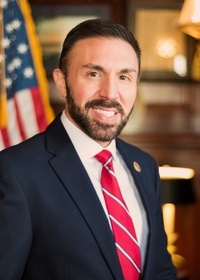
Rep. Ryan Bizzarro
Sponsored bills
Maddy summaryHB 295 amends Pennsylvania's Dog Law to strengthen licensing and sales restrictions for kennels and dog breeders. It prohibits kennel operators and dealers from selling dogs bred by individuals who received serious USDA violations (like critical animal handling violations) within the past two years. The bill also expands license revocation for kennel license holders convicted of animal cruelty offenses (including misdemeanors) and adds whistleblower protections for employees reporting violations under the law or related federal regulations. These changes directly affect dog breeders, kennel operators, and dealers who must comply with stricter licensing rules and sales bans.
Maddy summaryHB 296, the Beagle Freedom Act, prohibits dealers and kennels from selling dogs or cats bred by individuals or facilities that have received certain USDA violations, such as critical violations or two consecutive housing access issues. It requires kennels and animal testing facilities handling research animals to offer dogs and cats for adoption through a local shelter or adoption organization if they no longer need the animal and it poses no health or safety risk, with the offer remaining available for up to 21 days before euthanasia. The bill also mandates annual reporting to the Department of Agriculture on adoptions and provides liability protection for compliant entities. This legislation directly affects research breeders, kennels, and animal testing facilities in Pennsylvania.
Maddy summaryHB 294 adds whistleblower protections for employees reporting potential violations of Pennsylvania's riot and disorderly conduct laws. It designates these employees as covered under the existing 1986 Whistleblower Law when reporting violations in good faith, and treats businesses/nonprofits/government entities as employers under that law for such reports. The bill also amends a statute to exempt animal research conducted lawfully under federal or state law at qualifying research facilities from the riot/disorderly conduct subchapter. This directly affects employees who report violations and research facilities conducting permitted animal studies. The changes take effect 60 days after enactment.
Maddy summaryHB 169 creates a program allowing local and regional police departments in Pennsylvania to purchase used pursuit vehicles (police patrol vehicles) from the state at fixed prices. The Department of General Services must allocate up to 10% of the Pennsylvania State Police's used pursuit vehicle inventory for this program, requiring payment via organization check before purchase. Police departments must submit a form detailing desired vehicles, and the state will notify them when matching vehicles become available. The bill specifies that prices are set by the department and not subject to negotiation, with rules for administration to be developed by the department. This applies only to existing state-owned patrol vehicles, not new purchases.
Maddy summaryThis bill creates a new savings program for first-time homebuyers in the state, allowing them to open accounts specifically to save for down payments and closing costs on a single-family home. The program is administered by a new Bureau of Savings Programs within the Treasury Department, which will also manage a dedicated fund to hold contributions and earnings. To participate, individuals must apply through an online form and must not have previously owned a home in the state or another country. The money saved in these accounts can only be used for eligible housing expenses when the buyer purchases their first home.
Maddy summaryThis bill amends the Pennsylvania Human Relations Act to update the list of protected characteristics, explicitly adding sex, sexual orientation, gender identity or expression, familial status, handicap, disability, and the use of support animals to existing categories like race and age. The legislation directly affects employers, employment agencies, labor organizations, and providers of housing and public accommodations by clarifying that discrimination based on these new and existing traits is unlawful. It reinforces the state's policy of ensuring equal opportunity and mandates that the Pennsylvania Human Relations Commission enforce these protections through established procedures and penalties. Additionally, the bill includes provisions to protect religious exercise while maintaining the commission's powers and duties to prevent prejudice and handle complaints.
Maddy summaryThis bill modifies Pennsylvania's corporate tax code to create a specific tax deduction for medical cannabis businesses, allowing them to claim ordinary business expenses that were not deducted on their federal tax returns. It also updates the procedures for taxpayers to request tax reassessments and board reviews, extending the deadline for these petitions to 90 days for corporate taxes instead of the standard 60 days. Additionally, the legislation establishes a new settlement conference process where independent attorneys appointed by the tax board can help resolve disputes between taxpayers and the Department of Revenue. These changes directly affect medical marijuana organizations and other corporations subject to state net income tax by altering how they calculate deductions and how they appeal tax assessments.
Maddy summaryThis Pennsylvania House Resolution designates September 2024 as "Childhood Cancer Awareness Month" to highlight the impact of the disease on young people and their families. The measure does not create new laws or alter funding but serves as a symbolic gesture to raise public awareness and honor those affected by childhood cancer. It encourages residents to support the cause and acknowledges the state's existing medical facilities and research contributions in the fight against the illness.
Maddy summaryThis bill updates Pennsylvania's Liquor Code to allow club license holders to apply for special permits that extend their hours for serving food only between 3:00 AM and 7:00 AM. It also mandates that when a licensee must stop serving alcohol, all patrons must leave the area used for alcohol service within 30 minutes and cannot take any remaining drinks with them. These changes aim to clarify rules for specific license types, including restaurants, hotels, and distributors, while repealing older provisions regarding the surrender of club licenses.