

Maddy summaryHB 1653 creates competitive grants to help nonprofit early childhood organizations and public school districts establish or expand child-care centers in rural Pennsylvania counties with low population density (under 291 people per square mile). The grants fund facility costs like construction or renovation, and provide two years of salary supplements to ensure child-care staff earn comparable pay to public school teachers. Recipients must partner with local businesses to cover some child-care fees for employees, aiming to maintain staffing levels after the grant period ends. This bill directly supports rural communities facing childcare shortages by making it financially feasible to open or grow quality early childhood programs.
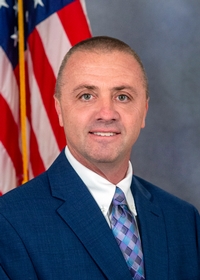
Rep. Dan Deasy
Sponsored bills
Maddy summaryHB 1216 amends Pennsylvania's 1968 Unfair Trade Practices and Consumer Protection Law to update definitions of prohibited business practices and clarify which acts are considered unlawful. It specifically adds new provisions targeting deceptive marketing tactics and strengthens exclusions for certain professional services. The bill directly affects businesses operating in Pennsylvania (particularly those in retail, finance, and professional services) and consumers who may encounter unfair practices. The legislation passed its final vote on June 23, 2025, and is now pending review by the Consumer Protection & Professional Licensure committee.
Maddy summaryHB 1282 requires cities and towns to notify property owners when the Federal Emergency Management Agency (FEMA) updates special flood hazard area maps. This directly affects homeowners and property owners in areas where flood risk maps change. Municipalities must send written notice to affected property owners within 30 days of a FEMA map update. The law aims to ensure residents understand potential changes to flood insurance requirements and property risk levels. It does not alter FEMA's map-making process or flood insurance mandates.
Maddy summaryHB 734 amends Pennsylvania's 1951 Landlord and Tenant Act to update landlord responsibilities in tenement and multiple-dwelling buildings. It specifically adds new requirements for landlords when relocating tenants, such as providing relocation assistance during building repairs or renovations. The bill directly affects landlords in older apartment buildings and tenants who may need to move due to property improvements or maintenance. These changes clarify and strengthen existing protections for renters in multi-unit housing.
Maddy summaryHB 191 updates Pennsylvania's school safety requirements by replacing outdated rules about CPR and defibrillator training. It repeals old teacher certification requirements for CPR instruction and school health service rules about automatic external defibrillators (AEDs). The bill now mandates new CPR and AED training for school staff, sets specific standards for AED availability and placement in schools, and establishes an official AED program. This directly affects public schools, teachers, and school health personnel by requiring updated emergency response protocols. The bill focuses on modernizing school health safety procedures rather than changing other aspects of education.
Maddy summaryHB 704 creates a new Neurodegenerative Disease Research Program and a dedicated funding mechanism within the Department of Health to support research on conditions like Alzheimer's and Parkinson's. The bill directs the Department of Health to manage the program and administer the Neurodegenerative Disease Research Program Fund, which will provide grants for scientific studies. This legislation directly affects researchers, medical institutions, and patients seeking treatments for neurodegenerative diseases by establishing a formal structure for funding and coordinating research efforts. The bill passed the legislature in June 2025 and is now pending final action by the Governor.
Maddy summaryHB 967 amends Pennsylvania's 1968 Unfair Trade Practices and Consumer Protection Law by adding or refining specific definitions within the statute. This definitional update directly affects consumers and businesses operating under the law, as clearer definitions help determine what constitutes unfair trade practices. The bill does not introduce new prohibitions or penalties but clarifies existing legal terms to improve application of the law. As a procedural amendment focused solely on definitions, it does not create new policy requirements or alter substantive protections.
Maddy summaryHB 276 creates a permanent Employee Misclassification Working Group to coordinate state agencies addressing worker classification issues. The bill requires departments like Labor and Revenue to collaborate on identifying and resolving cases where employers wrongly classify workers as independent contractors. This working group will develop strategies to protect workers' access to benefits like unemployment insurance and workers' compensation. The law directly affects state agencies managing labor enforcement and workers' rights, aiming to improve interagency efficiency in tackling misclassification.
Maddy summaryHB 1084 amends Pennsylvania's fee structure for corporate filings under Title 15, specifically adjusting the corporation bureau's fee schedule for business registrations and UCC filings. It directly exempts volunteer fire companies from paying certain fees and from solicitation requirements typically applied to new corporations. The bill streamlines administrative processes for these organizations by removing financial barriers related to incorporation and business filings. This change applies to all volunteer fire companies operating within Pennsylvania under the state's corporate statutes.
Maddy summaryHB 1607 amends Pennsylvania's child protective services laws to clarify definitions, reporting procedures, and investigation responsibilities for child welfare agencies. It updates requirements for handling complaints, accessing the state's confidential database, and releasing information in protective reports. The bill directly affects child welfare professionals, social workers, and agencies managing abuse reports under Pennsylvania's domestic relations code. (3 sentences)