

Maddy summaryHB 777 requires Pennsylvania public school districts to pay education support professionals (like aides and clerical staff) a minimum hourly wage of $20 or a living wage based on cost-of-living adjustments, starting in the 2025-2026 school year. School districts must make supplemental payments to cover wage gaps for existing contracts below this rate through 2029-2030, with the Department of Labor setting and annually adjusting the living wage using the Consumer Price Index. The Department of Education will reimburse districts for these supplemental payments, adding the reconciled amount to their annual funding allocation. This applies directly to over 500 school districts and their education support staff, ensuring wage standards align with inflation.
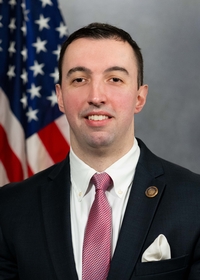
Rep. Brandon Markosek
Sponsored bills
Maddy summaryThis bill adds a new supplemental monthly annuity to certain Pennsylvania state retirees' benefits, effective July 2025. It applies to retirees receiving superannuation, withdrawal, or disability annuities who retired before July 2, 2001, and do not have specific service credits (like Class D-4 or Class AA). The additional payment amount is a percentage of their July 2025 monthly annuity, ranging from 10% to 20% based on their retirement date. The cost will be funded through equal annual installments over 10 years starting July 2026.
Maddy summaryThis bill amends Pennsylvania's Tax Reform Code to exclude sales and use taxes on firefighting equipment purchased by paid or volunteer firefighters using their own money. To qualify for this tax exemption, firefighters must present a department-issued identification card at the time of purchase, which the Department of Revenue will issue to individuals holding approved certifications. The legislation defines firefighting equipment as items designed to extinguish, control, or stop fires or protect users and property from fire hazards. This change directly affects individual firefighters and retailers selling firefighting gear, while establishing new administrative procedures for identification card issuance.
Maddy summaryHB 654 amends Pennsylvania's State Lottery Law to expand access to the Pharmaceutical Assistance Contract for the Elderly Needs Enhancement Tier (PACENET). It raises the income eligibility thresholds for seniors: single individuals with annual incomes between $14,500 and $45,000, and married couples with combined incomes between $17,700 and $55,000, will now qualify. The bill also allows applicants to round income amounts to the nearest whole dollar when reporting. This change directly affects Pennsylvania seniors who rely on PACENET for subsidized prescription drugs by making the program available to more low-to-moderate-income elderly residents.
Maddy summaryHB 552 creates three public alert systems in Pennsylvania: the Amber Alert for abducted children, the Missing Endangered Person Advisory System for missing individuals at special risk (e.g., due to health conditions), and the Green Alert for veterans-at-risk (veterans with service-related health conditions facing harm). The Pennsylvania State Police must establish and maintain these systems, coordinate with other jurisdictions, and use a $25 fee assessed on certain convictions (like kidnapping or unlawful restraint) to fund them. The bill also prohibits false alerts with a $5,000 civil penalty and ensures law enforcement can still independently notify the public. It directly affects the State Police, law enforcement agencies, and individuals convicted of specified crimes.
Maddy summaryHB 534 amends Pennsylvania's Election Code to provide braille absentee ballots for voters who are blind, visually impaired, or disabled. It requires these voters to submit a written request to their county board of elections at least 45 days before an election, including specific details like their address and a request for braille format. The Department of State will handle ballot preparation, distribution, and create accessible voting guides in multiple formats. This change directly affects eligible voters with visual or mobility disabilities, ensuring they can independently access absentee ballots.
Maddy summaryHB 485 creates a new Office of Information Technology within Pennsylvania's state government to establish and enforce digital accessibility standards. It requires all public entities (like counties, cities, and state agencies) to make their online services accessible to people with disabilities by developing implementation plans by July 2026 and fully complying by July 2028. Key provisions include adopting Web Content Accessibility Guidelines (WCAG), mandating procurement standards for adaptive technologies, and requiring compatibility with accessibility tools. The law aligns with the federal Americans with Disabilities Act and applies to digital content, websites, and information systems used by the public.
Maddy summaryHB 471 allocates $1,000,000 from the General Fund to fund veterans' service officer programs in Pennsylvania. This bill directly affects veterans' service organizations that assist military veterans in accessing benefits and services. The key provision transfers the specified funds to the relevant department to support these programs under Title 51 of Pennsylvania law. The bill takes effect 60 days after enactment.
Maddy summaryHB 423 establishes Pennsylvania's Future Voter Program, allowing high school students aged 16-17 to preregister to vote before turning 18. The bill requires schools to hold voter registration events during Constitution and Citizenship Day (September 17), providing applications and online registration opportunities for eligible students. Students who preregister will not be added to the voter registry until they reach age 18. The program mandates school entities to coordinate these events, with the Secretary of Education and Secretary of the Commonwealth overseeing implementation. This directly affects all high school students in Pennsylvania who are 16 or 17 years old.
Maddy summaryHB 406 adds a new offense to Pennsylvania law for "kidnapping of animals" under Title 18. It specifically targets two actions: (1) intentionally taking dogs, cats, equines, swine, or cattle for resale, laboratory use, or animal fighting (a felony of the third degree), and (2) taking dogs, cats, or equines without permission for temporary use (a misdemeanor of the third degree). The bill directly affects individuals involved in animal trafficking, commercial handling, or unauthorized temporary possession of these animals. Penalties increase for repeat offenses under both categories.