

Maddy summaryHB 75 amends Pennsylvania's Osteopathic Medical Practice Act to update the definition of "primary supervising physician" to include medical doctors (MDs) licensed by the State Board of Medicine, alongside osteopathic physicians (DOs). This change allows physician assistants to have either an MD or a DO as their primary supervising physician under a written agreement, expanding oversight options beyond current restrictions. The amendment takes effect 60 days after enactment and does not alter other provisions of the law.
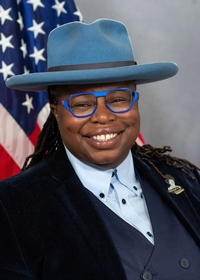
Rep. La'Tasha Mayes
Sponsored bills
Maddy summaryHB 76 amends Pennsylvania's Medical Practice Act of 1985 to update two key definitions: it revises the term "doctor of osteopathy" to reference the State Board of Osteopathic Medicine (replacing outdated language) and clarifies that a "primary supervising physician" for physician assistants must be licensed by either the State Board of Medicine or the State Board of Osteopathic Medicine. This change directly affects osteopathic doctors, physician assistants, and the licensing boards by aligning the law with current regulatory structures. The bill makes no substantive changes to medical practice rules but ensures definitions accurately reflect the oversight bodies responsible for licensing. It takes effect 60 days after enactment.
Maddy summaryHB 138 amends Pennsylvania laws governing adoption proceedings and juvenile cases. It changes the legal grounds for ending parental rights before an adoption petition is filed and updates how courts handle children deemed dependent (in need of care). The bill specifically targets procedures in domestic relations (Title 23) and court processes (Title 42) related to these cases. No specific new provisions or changes are detailed in the provided context beyond the title's description of its scope. The bill is currently under review by the Children & Youth committee.
Maddy summaryHB 1925 regulates how healthcare facilities, insurance companies, and Medicaid/CHIP managed care plans can use artificial intelligence. It requires the Department of Health, Insurance Department, and Department of Human Services to create rules for AI safety and transparency in these sectors. The bill imposes penalties for failing to comply with these new requirements. It directly affects providers and insurers operating in Pennsylvania's health and insurance systems.
Maddy summaryHB 1117 amends Pennsylvania's 1929 Administrative Code to redefine the Department of Drug and Alcohol Programs' responsibilities for addressing substance use disorders. The department must now develop a comprehensive State plan coordinating prevention, treatment, research, and education across all state agencies and local communities - including health, law enforcement, education, and workforce sectors - to avoid duplication. The plan requires annual review and updates, and mandates the department to provide assistance to local governments while collaborating with medical professionals on drug use guidelines. This change formalizes existing coordination efforts under a unified framework, directly affecting state agencies and local entities managing substance use disorder services.
Maddy summaryThis House Resolution designates September 2026 as "Baby Safety Month" in Pennsylvania to raise awareness about infant safety. The measure encourages parents to follow safety guidelines, such as properly assembling cribs, checking product age ratings, and maintaining constant supervision. As a symbolic resolution, it does not create new laws or alter existing regulations but serves to highlight the importance of creating safe environments for children.
Maddy summaryThis resolution designates September 2026 as "Newborn Screening Awareness Month" in Pennsylvania to highlight the importance of early health testing for infants. The bill does not alter any laws or change how screening is conducted; instead, it serves as a symbolic gesture to encourage public awareness among parents, healthcare providers, and the community. By recognizing this month, the House of Representatives aims to promote education about newborn screening programs that detect rare but serious conditions.
Maddy summaryThis resolution designates the week of August 2 through 8, 2026, as "National Health Center Week" throughout Pennsylvania to honor the work of community health centers. These facilities provide low-cost primary care to uninsured and underinsured residents, particularly in rural areas and health care deserts. The bill serves as a commemorative measure to raise awareness about the essential role these centers play in delivering affordable health services and supporting local economies. It does not alter any laws or funding but aims to celebrate the contributions of health professionals and staff at these clinics.
Maddy summaryThis bill is a ceremonial resolution that designates the week of September 12 through 18, 2026, as "Neonatal Nurses Week" in Pennsylvania. It aims to honor the work of neonatal nurses who provide specialized care to newborn infants, particularly those in intensive care units with complex health needs. The measure does not change any laws or policies but serves to publicly acknowledge the skills and dedication of these healthcare professionals.
Maddy summaryThis resolution formally recognizes August 2026 as "National Breastfeeding Month" within the state of Pennsylvania. It serves as a symbolic gesture to raise awareness about the health benefits of breastfeeding for infants and mothers, citing recommendations from major medical organizations. The text does not alter any laws or create new programs, but rather acknowledges existing state protections and insurance coverage related to lactation support.