

Maddy summaryThis bill designates the week of September 14 through 20, 2026, as 'Diaper Need Awareness Week' in Pennsylvania to highlight the shortage of disposable diapers for children and incontinent adults. The resolution formally recognizes the efforts of the state's 10 diaper banks and community organizations that distribute millions of diapers annually to families in need. Additionally, the bill encourages Pennsylvania residents to support these local groups and participate in diaper donation drives to help expand access to this essential item.
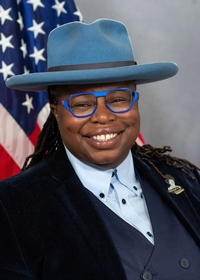
Rep. La'Tasha Mayes
Sponsored bills
Maddy summaryHB 2535, known as the Commercial Data Center Public Safety Act, regulates large data centers in Pennsylvania that consume 25 megawatts or more of power. To receive a certificate of occupancy, these facilities must submit detailed emergency plans and inventories listing battery types, cooling agents, and fire suppression systems to local fire officials. The bill also mandates annual updates to these documents and restricts access to the information to authorized safety and law enforcement personnel to protect confidential security details.
Maddy summaryThis House Resolution designates May 17, 2026, as "World Neurofibromatosis Awareness Day" in Pennsylvania to raise public awareness about this rare genetic condition. The bill does not create new laws or funding but serves as a symbolic gesture to highlight the importance of education and support for individuals affected by neurofibromatosis. Sponsored by nine representatives, the resolution acknowledges the condition's impact on health and the ongoing efforts of organizations like the Children's Tumor Foundation to advance research and patient care.
Maddy summaryHB 928 amends Pennsylvania law to expand access to epinephrine auto-injectors for severe allergic reactions. It adds schools, sports organizations, and other public venues to the list of "authorized entities" allowed to store these devices and train staff. The bill clarifies who can access the injectors during emergencies and specifies training requirements for personnel. This directly affects schools, youth programs, and public facilities serving individuals at risk of anaphylaxis.
Maddy summaryThis bill creates a new Cybersecurity Coordination Board within the Pennsylvania Office of Administration to improve state cybersecurity efforts. The board will collect and share security information, advise the Governor on best practices, and coordinate with federal agencies, local governments, and private sector partners. Its membership includes representatives from key state offices, elected officials, local government leaders, and three appointed cybersecurity experts. The board will also invite federal agency representatives to serve in advisory roles and will elect its own leadership while appointing an executive director to manage its daily operations.
Maddy summaryThis bill creates a new tax credit for small businesses in Pennsylvania that help employees pay for health insurance purchased through the state exchange. To qualify, a business must have 50 or fewer employees and make contributions toward health reimbursement arrangements for their workers. The credit is calculated based on the first $1,000 of contributions per employee and can be applied to reduce the business's state tax liability. Companies claiming the credit must submit detailed forms to the Department of Revenue listing employee information and insurance provider details.
Maddy summaryThis bill establishes the Pennsylvania Maternal and Infant Outcome Measures Survey Program within the Department of Health to collect data on the health experiences of mothers and babies. The program will conduct surveys of individuals who have recently had a live birth to gather information on their behaviors, attitudes, and experiences before, during, and after pregnancy. The Department of Health is authorized to use available funding, including federal money, and may hire outside contractors to run the survey while ensuring all personal data remains confidential. Additionally, the bill allows the department to share de-identified survey results with researchers and publish them in public reports to help improve maternal and child health outcomes.
Maddy summaryThis bill directs Pennsylvania's Human Services department to replace current Supplemental Nutrition Assistance Program cards with new chip-enabled versions by January 1, 2028. The new cards will be provided free of charge to eligible recipients and will include security features like tap-to-pay technology to prevent benefit theft. The department must issue regular reports on the transition progress to state legislators and take steps to secure funding, including applying for federal grants.
Maddy summaryHB 2234 creates a tax credit for Pennsylvania breweries that donate spent grain byproduct (leftover grain from brewing) to local farms. Breweries can claim a credit of $0.16 per pound of dry weight donated, up to $30,000 annually or their total tax liability, if the grain is delivered to farms within 100 miles. The credit applies to donations made to "eligible agricultural operations" engaged in normal farming activities under Pennsylvania law. Applications must be submitted by February 1 each year for the prior year's donations, with the Department of Revenue reviewing eligibility and coordinating with the Liquor Control Board. This directly benefits breweries and farms participating in the program by reducing brewery tax bills while repurposing brewing waste.
Maddy summaryHB 2162 amends Pennsylvania's Wholesale Prescription Drug Distributors License Act to clarify definitions and license application requirements. It specifically defines "virtual manufacturer" as a business that doesn't physically handle drugs in Pennsylvania but has FDA approval processes underway, including submitting or planning to submit FDA applications within 12 months. The bill adds new application requirements: manufacturers of unapproved drugs must state they've applied to or plan to apply to the FDA within 12 months, and virtual manufacturers must provide similar documentation. Crucially, it states the state department cannot require FDA approval as a condition for licensure. This directly affects drug distributors operating under the "virtual manufacturer" model and unapproved drug manufacturers seeking state licenses.