

Maddy summaryHB 1549 updates Pennsylvania's minimum wage law by establishing new hourly rates for workers in different county classifications, effective starting in 2026. It sets a $15 per hour minimum wage for workers in first-class counties (like Philadelphia) beginning January 1, 2026, with annual cost-of-living adjustments tied to the CPI-U index for the PA/NJ/DE/MD region. For other counties (second, third, fourth, or sixth class based on 2020 census populations), it sets a $12 hourly rate starting in 2026, increasing to $15 by 2028, followed by the same CPI-based annual adjustments. This directly affects all hourly workers in Pennsylvania, with rates varying by county size and population.
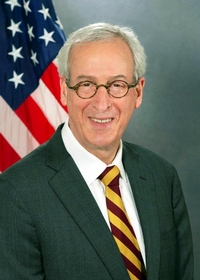
Rep. Dan Frankel
Sponsored bills
Maddy summaryHB 1622 would amend Pennsylvania's criminal code to allow civil lawsuits against firearm owners who fail to secure their guns properly, leading to loss or theft. This bill directly affects gun owners who do not take reasonable steps to prevent unauthorized access or theft of their firearms. The key provision creates a legal pathway for victims of gun-related harm to seek compensation from the owner if the gun was lost or stolen due to inadequate security. The bill is currently pending in the Judiciary Committee after being referred on June 17, 2025, and has not yet been voted on or passed.
Maddy summaryHB 1612 requires Pennsylvania firearm dealers to conduct background checks that include the federal terrorist screening database during gun sales. It adds individuals listed on this database to the existing list of people prohibited from purchasing firearms. The law updates background check procedures to mandate this check alongside criminal history, juvenile records, and mental health records, with dealers paying a $2 fee per check. The Pennsylvania State Police must provide immediate results during the transaction, either blocking the sale or issuing a unique approval number.
Maddy summaryHB 1602 amends Pennsylvania's Breast and Cervical Cancer Early Screening Act to update the program's short title, definitions, and administrative structure. It clarifies operational details without changing the core screening services provided to patients. The bill directly affects the Pennsylvania Breast and Cervical Cancer Early Screening Program, healthcare providers offering screenings, and patients seeking preventive care. The bill was referred to the Insurance committee on June 16, 2025, for further review.
Maddy summaryThis resolution formally designates June 2025 as "LGBTQ+ Pride Month" in Pennsylvania. It does not create new laws or policies but serves as a symbolic recognition by the state government. The resolution was adopted by the Pennsylvania legislature on June 11, 2025, following committee review. It directly affects Pennsylvania's official calendar and state communications, acknowledging LGBTQ+ contributions and history during that month.
Maddy summaryHB 1547 bans single-use plastic bags at retail stores in Pennsylvania, requiring them to offer recycled paper bags for a 10- to 25-cent fee instead. It directly affects stores like supermarkets, convenience stores, restaurants, and farmers' markets, with exemptions for bags used with perishable foods, pharmacy medications, or dry cleaning. Retailers must post clear signs explaining the change until January 2027 and keep all fees collected from bag sales. The Department of Community and Economic Development must create educational materials and regulations to support the policy.
Maddy summaryHB 1524 amends the Public Transportation Assistance Fund provisions within Pennsylvania's Tax Reform Code of 1971. The bill revises how funds are managed or allocated for public transportation programs, directly affecting state transportation agencies and public transit providers receiving these funds. It modifies specific sections of the existing tax code governing this dedicated fund. The bill was recently referred to the Transportation committee for further consideration. (3 sentences)
Maddy summaryHB 1523 would impose an excise fee on rides provided by transportation network companies (TNCs) like Uber or Lyft in Pennsylvania. The bill amends specific sections of state law related to municipalities, public utilities, and transportation to require this fee to be collected on each ride. The fee would directly affect TNC operators, who would be responsible for paying and collecting it from riders. This policy change creates a new revenue stream for transportation-related funds under the amended statutes.
Maddy summaryHB 1519 amends Pennsylvania's 1921 Insurance Company Law to require casualty insurance policies to cover mental illness treatments. This directly affects insurance companies writing casualty policies and policyholders seeking mental health services. The key provision mandates that insurers include mental health coverage in standard casualty policies, aligning it with other health coverage requirements. The bill focuses on expanding access to mental health care by ensuring it is covered under these specific insurance policies.
Maddy summaryThis bill updates Pennsylvania's pilot program for non-narcotic medication-assisted treatment (MAT) in prisons and parole settings. It removes outdated rules about the program's establishment, clarifies requirements for county participation, and specifies how grant funds can be used for treatment services. The Pennsylvania Commission on Crime and Delinquency gains new duties to oversee the program, and the bill includes administrative updates to the state statutes governing it. The changes directly affect counties administering the pilot program and individuals in prison or parole under the MAT initiative.