

Maddy summaryHB 960 creates a process for commercial drivers in Pennsylvania with lifetime disqualification to potentially regain their licenses after meeting specific requirements. To apply, drivers must complete a state-approved rehabilitation program (if disqualified for DUI/DWI), finish a driver improvement course, pay fees, provide proof of citizenship or residency, and wait at least 10 years since their disqualification. The bill also lists serious offenses - like drug trafficking, causing fatalities, or multiple DUIs - that permanently block reinstatement. Pennsylvania’s Department of Transportation will review applications within 30 days, with eligibility strictly tied to avoiding recent violations of traffic or safety laws.
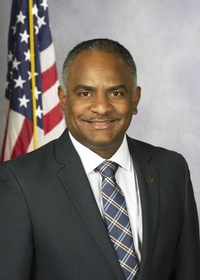
Rep. Danilo Burgos
Sponsored bills
Maddy summaryHB 1096 creates the Pennsylvania Food Bucks Program, which provides financial assistance to low-income residents for purchasing fresh fruits and vegetables at participating retailers. The bill establishes a dedicated "Pennsylvania Food Bucks Program Account" within the state treasury to fund the program and requires the state to conduct research on the program's effectiveness. It directly affects eligible low-income Pennsylvanians and participating farmers and retailers by expanding access to healthy food options. The law, which passed on June 3, 2025, focuses on concrete policy changes: creating the program structure, securing funding through the new account, and mandating program evaluation.
Maddy summaryHB 180 replaces Pennsylvania’s existing school lunch and breakfast reimbursement system with a new Universal School Meal Program, ensuring all public school students in the state can receive free meals regardless of family income or unpaid meal debt. The bill requires school districts to provide meals to any student who requests one (unless parents specifically withhold consent in writing) and prohibits schools from stigmatizing students with meal debt through wristbands, public identification, or denying activities like sports or graduation. It bans collecting fees, interest, or using collections agencies for unpaid meal costs, and mandates schools help families apply for assistance instead of pursuing debt. This directly affects over 1.5 million Pennsylvania public school students and their school districts, shifting from a means-tested system to universal access.
Maddy summaryHR 232 is a resolution designating May 15-June 15, 2025, as "Tourette Syndrome Awareness Month" in Pennsylvania. It aims to raise public awareness about Tourette syndrome and related disorders, promote acceptance, and support affected individuals across the state. As a commemorative resolution, it does not create new laws or policies but formally recognizes this period for educational and community outreach efforts. The resolution was adopted by the Pennsylvania legislature on June 2, 2025.
Maddy summaryThis bill designates a specific segment of Pennsylvania Route 51 (from Segment 0280/Offset 0000 to Segment 0300/Offset 0570 in Whitehall Borough, Allegheny County) as the "Hon. Raymond T. Book Memorial Highway." It honors Raymond T. Book, a former Whitehall Borough Council member and Pennsylvania House representative (1982-1988), who served in WWII, worked in real estate, and volunteered with Jefferson Hospital. The bill requires the Pennsylvania Department of Transportation to install and maintain signs naming the highway. It has no policy impact beyond the commemorative naming and is currently pending in the Transportation committee.
Maddy summaryThis resolution (HR 241) urges Congress to adopt three specific bills: H.R. 1876 (keeping field offices open), H.R. 1877 (protecting Social Security data), and S. 770 (expanding Social Security). It does not create new laws or affect individuals directly; instead, it is a non-binding request addressed to Congress. The resolution was referred to the Aging & Older Adult Services committee on May 29, 2025, for consideration.
Maddy summaryHB 1518 amends Pennsylvania's driver licensing laws under Title 75 of the Consolidated Statutes. It focuses on updating procedures for applying for driver's licenses or learner's permits, as well as modifying the content, expiration, and renewal processes for licenses. The bill directly affects Pennsylvania drivers who apply for or renew their licenses. The provided context does not include specific provisions or mechanisms of the bill, only its title and referral to the Transportation committee.
Maddy summaryHB 1499 updates Pennsylvania's child custody laws under Title 23. It clarifies definitions, establishes clearer rules for awarding primary physical custody, and requires courts to consider criminal convictions when making custody decisions. The bill also mandates parenting plans and specifies factors judges must evaluate, directly affecting parents, judges, and child welfare agencies involved in custody cases. The legislation was recently referred to the Judiciary Committee on May 28, 2025.
Maddy summaryThis bill updates Pennsylvania's pilot program for non-narcotic medication-assisted treatment (MAT) in prisons and parole settings. It removes outdated rules about the program's establishment, clarifies requirements for county participation, and specifies how grant funds can be used for treatment services. The Pennsylvania Commission on Crime and Delinquency gains new duties to oversee the program, and the bill includes administrative updates to the state statutes governing it. The changes directly affect counties administering the pilot program and individuals in prison or parole under the MAT initiative.
Maddy summaryHB 1062 creates a statewide system for tracking neighborhood blight by requiring municipalities to collect data on property maintenance violations. It establishes a Property Maintenance Code Serious Violations Registry to list properties with repeated severe maintenance issues and a dedicated funding account to support blight remediation efforts. The bill directly affects Pennsylvania municipalities, property owners, and landlords in areas designated as blighted, providing local governments with standardized data to target enforcement. Key provisions include mandatory data collection by cities/towns, a centralized registry for serious violations, and dedicated funding through the new account to aid property rehabilitation. If enacted, this would standardize blight reporting and funding across Pennsylvania communities.