

Maddy summaryThis bill strengthens Pennsylvania's existing hazardous waste laws by creating a new chapter focused on immediate spill response and protecting residential areas. It defines hazardous substances to include petroleum products and other dangerous materials, then imposes strict liability on responsible parties to immediately contain and clean up any discharge that threatens public health or the environment. The Department of Environmental Protection gains expanded authority to issue directives, enter private property, and recover cleanup costs from those who cause spills, ensuring rapid action in residential communities.
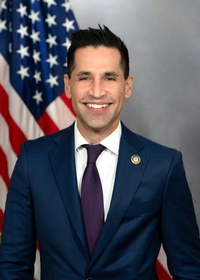
Rep. Tarik Khan
Sponsored bills
Maddy summaryThis bill updates Pennsylvania laws to clarify how state grants are distributed to veterans' service officer programs. It requires designated organizations to submit detailed annual reports on their activities, budgets, and financial audits to state officials and legislative committees. The legislation also establishes rules for calculating grant amounts based on submitted spending plans and past performance, ensuring funds are prorated if the total budget is insufficient. These changes are designed to improve transparency and accountability for how veterans' service groups use public funding.
Maddy summaryThis resolution directs Pennsylvania's Joint State Government Commission to study current diversion programs and recommend improvements or new programs. It requires the commission to examine barriers to existing programs, analyze successful models from other states, and provide a report to the House within one year. Diversion programs - which offer alternatives to incarceration for low-level offenses, mental health crises, or substance use issues - would be the focus of this review. The resolution does not create new law but aims to inform future policy changes.
Maddy summaryHB 237 expands Pennsylvania's death benefits for first responders' families to include cases where a firefighter, officer, or emergency worker dies from mental health conditions linked to on-duty trauma. It creates a legal presumption of line-of-duty death if the person died while influenced by a diagnosed psychiatric disorder from traumatic events (like crime scenes or mass casualties) or within 45 days of such exposure with an undiagnosed condition. The bill adds specific definitions for "personal injury sustained in the line of duty" to include PTSD and related disorders, and clarifies that traumatic events cover incidents involving serious injury, minors, or life threats. Benefits apply retroactively to deaths occurring on or after January 1, 2019, regardless of when the trauma happened.
Maddy summaryHB 888 amends Pennsylvania's criminal sentencing laws, primarily affecting those convicted of specific violent crimes. It mandates life imprisonment without parole for first-degree murder of an unborn child (explicitly excluding the death penalty), while requiring the same sentence for murder of law enforcement officers. The bill also establishes automatic appellate review for death sentences and tightens requirements for DNA testing motions in capital cases, requiring applicants to prove actual innocence through sworn statements. These changes apply to cases under Titles 18, 42, and 61 of Pennsylvania's statutes.
Maddy summaryHB 1945 amends Pennsylvania's Controlled Substance Act to expand legal immunity for individuals who call 911 during a drug overdose. It directly affects bystanders and overdose victims who seek emergency help, protecting them from drug possession charges when reporting an overdose. The bill strengthens existing immunity by broadening the circumstances under which calling for assistance won't lead to criminal penalties. This policy change aims to encourage prompt emergency response without fear of legal repercussions for drug-related offenses.
Maddy summaryHB 99 amends Pennsylvania criminal law to change sentencing for murder (including murder of an unborn child or law enforcement officer), clarify arson and property destruction offenses, and update appellate procedures. It establishes direct appeals from common pleas courts for certain cases, adds requirements for postconviction DNA testing, and removes outdated procedures for execution warrants. The bill directly affects courts, prosecutors, defense attorneys, and individuals convicted of crimes covered under the amended statutes. These changes aim to standardize sentencing and legal processes without altering current penalties or introducing new criminal charges.
Maddy summaryHB 2151 requires Pennsylvania's Center for Local Government Services to create a model zoning ordinance for data centers within six months. The model must include specific rules like building size limits, minimum distances from residential areas, landscape buffers, noise restrictions, and requirements for water/energy use. This helps local governments (townships, boroughs, cities) regulate data center development to address community concerns. Municipalities can request the Center's assistance when updating zoning rules for data centers, and the model must be updated annually.
Maddy summaryHB 1139 requires Pennsylvania state buildings to install water bottle filling stations in specific locations. New state buildings must include them where drinking fountains are required, and existing buildings undergoing major plumbing renovations must add them where drinking fountains were previously required. Stations must meet technical standards (e.g., minimum 8-gallon-per-hour flow at ≤50°F, not accessible to mouths, not in restrooms) and comply with plumbing codes. The bill aims to encourage reusable bottle use, reduce single-use plastic waste, and provide cost-effective, environmentally friendly water access for state building visitors and staff.
Maddy summaryHB 1278 amends Pennsylvania's Election Code to require candidates for state, local, and federal offices (including U.S. Congress) to submit a written statement (replacing the prior "affidavit" requirement) instead of an affidavit. This statement must include specific details like the candidate's residence, election district, office sought, eligibility confirmation, commitment to election laws, and awareness of campaign finance reporting rules. The bill updates penalties for false statements to reference Pennsylvania's unsworn falsification statute (18 Pa.C.S. § 4904), applying to all candidates filing nomination documents. It directly affects every candidate submitting paperwork for election in Pennsylvania, including those running for county, city, school board, or federal positions.