

Maddy summaryHouse Resolution 24 designates January 23, 2025, as "Maternal Health Awareness Day" in Pennsylvania to honor women who have died from pregnancy or childbirth complications. The resolution aims to raise public and healthcare awareness about maternal mortality, particularly highlighting racial disparities where Black women in Pennsylvania face a maternal mortality rate of 163 deaths per 100,000 live births - over twice the rate of other groups. It does not create new laws or funding but encourages community and healthcare engagement through designated awareness activities. This symbolic gesture aligns with Pennsylvania’s existing Maternal Mortality Review Committee efforts established under Act 24 of 2018.
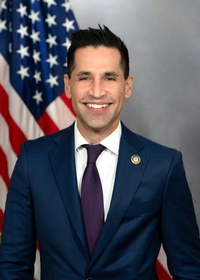
Rep. Tarik Khan
Sponsored bills
Maddy summaryHB 303 amends Pennsylvania's sales tax code to exclude construction materials and services purchased by contractors for affordable housing projects from state sales tax. It directly affects construction contractors working on housing defined as "affordable" under existing law (section 1902-A), covering projects involving construction, remodeling, repair, or maintenance. The bill adds a new tax exclusion (section 204(77)) to the 1971 Tax Reform Code, removing sales tax liability for these specific materials and services. This policy change takes effect 60 days after enactment.
Maddy summaryHB 285 increases fees for constables in Pennsylvania for specific court-related services in both civil and criminal cases. It raises civil service fees (e.g., from $13 to $20 for serving a complaint) and criminal fees (e.g., from $25 to $50 per warrant execution), with updated amounts for levies, sales, returns, and transportation. The bill clarifies that counties do not pay surcharges for indigent defendants in criminal cases. These changes directly affect constables who perform court services and the defendants or counties paying these fees. The bill amends existing statutes to update fee schedules without altering eligibility or procedural requirements.
Maddy summaryHB 290 prohibits food establishments in Pennsylvania from dispensing prepared food in polystyrene containers (like foam cups, bowls, and plates) or selling polystyrene utensils starting July 1, 2025. It directly affects restaurants, cafes, grocery stores, and other food service businesses, while allowing retailers to still sell polystyrene meat trays, egg cartons, and packing materials. Violations carry civil penalties of $500 for a first offense, increasing to $2,000 for subsequent violations. The bill aims to reduce environmental harm from single-use polystyrene and preempts conflicting local ordinances.
Maddy summaryHB 295 amends Pennsylvania's Dog Law to strengthen licensing and sales restrictions for kennels and dog breeders. It prohibits kennel operators and dealers from selling dogs bred by individuals who received serious USDA violations (like critical animal handling violations) within the past two years. The bill also expands license revocation for kennel license holders convicted of animal cruelty offenses (including misdemeanors) and adds whistleblower protections for employees reporting violations under the law or related federal regulations. These changes directly affect dog breeders, kennel operators, and dealers who must comply with stricter licensing rules and sales bans.
Maddy summaryHB 296, the Beagle Freedom Act, prohibits dealers and kennels from selling dogs or cats bred by individuals or facilities that have received certain USDA violations, such as critical violations or two consecutive housing access issues. It requires kennels and animal testing facilities handling research animals to offer dogs and cats for adoption through a local shelter or adoption organization if they no longer need the animal and it poses no health or safety risk, with the offer remaining available for up to 21 days before euthanasia. The bill also mandates annual reporting to the Department of Agriculture on adoptions and provides liability protection for compliant entities. This legislation directly affects research breeders, kennels, and animal testing facilities in Pennsylvania.
Maddy summaryHB 294 adds whistleblower protections for employees reporting potential violations of Pennsylvania's riot and disorderly conduct laws. It designates these employees as covered under the existing 1986 Whistleblower Law when reporting violations in good faith, and treats businesses/nonprofits/government entities as employers under that law for such reports. The bill also amends a statute to exempt animal research conducted lawfully under federal or state law at qualifying research facilities from the riot/disorderly conduct subchapter. This directly affects employees who report violations and research facilities conducting permitted animal studies. The changes take effect 60 days after enactment.
Maddy summaryHB 286 allows Pennsylvania seniors meeting specific criteria to lock their property tax payments at the "base year" amount. To qualify, applicants must be at least 65 years old (or meet widow/widower/disabled criteria), live in their home for 10+ years, and have household income under $45,000 annually. Political subdivisions would implement the program through annual applications requiring proof of ownership, tax payment history, and income eligibility. The Department of Revenue would track participation and submit a legislative report by 2030.
Maddy summaryHB 268 amends Pennsylvania's Human Services Code to require that individuals determined eligible for home- and community-based waiver services must be offered those benefits within 90 days of eligibility determination. The bill directly affects Pennsylvanians applying for medically needy assistance through home-care waiver programs. Its key provision (Section 442.1(d)) establishes a strict 90-day timeline for offering waiver benefits after eligibility is confirmed, aiming to streamline access to community-based care. This is a procedural change to eligibility processing, not a new benefit or funding measure.
Maddy summaryHB 264 amends Pennsylvania's vehicle fee law to clarify that veterans with a 100% service-connected disability are exempt from vehicle titling and registration fees. The bill specifies that this exemption applies to veterans whose disability is certified at 100% by the military or the U.S. Department of Veterans Affairs and who qualify for a disability plate and placard under existing law. It replaces the previous reference to "totally disabled veterans" with this precise standard to ensure consistent application of the fee exemption. This change updates the legal language without altering the scope of who qualifies for the exemption.