

Maddy summaryThis bill amends Pennsylvania's Municipalities Planning Code to update definitions and requirements for local zoning, subdivision, and land development. It specifically establishes new definitions for renewable energy facilities, including solar and wind systems with a minimum capacity of two megawatts, as well as energy storage and combined generation facilities. The legislation requires local comprehensive plans to include protections for natural resources and agricultural operations while allowing local ordinances to set specific rules for reviewing and processing renewable energy projects. Additionally, the bill mandates that review fees for renewable energy facilities be handled according to a separate section of the code, ensuring a structured approach to siting and permitting these developments.
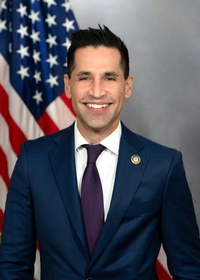
Rep. Tarik Khan
Sponsored bills
Maddy summaryThis bill authorizes the Pennsylvania Department of General Services to transfer a 2.7-acre tract of land in Philadelphia, formerly part of the Eastern Pennsylvania Psychiatric Institute, to an organization called Gaudenzia DRC, Inc. for a nominal fee of one dollar. The transfer is conditional on the new owner using the property exclusively for drug and alcohol rehabilitation purposes, with a clause requiring the land to revert to the state if this restriction is violated or if the property is sold within 20 years. Additionally, the deal includes a permanent ban on using any part of the land for licensed gaming facilities, and the transaction requires final approval from the Governor.
Maddy summaryThis bill amends Pennsylvania's Insurance Company Law to update definitions and provisions related to health insurance coverage. It clarifies how certain government health programs are defined for insurance policies, specifically regarding prescription drug coverage and continuation of coverage for employees who lose their jobs. The legislation also updates the legal definition of a hospital to include facilities operating alcoholism or drug addiction treatment programs and establishes a Long-Term Care Partnership Program to help individuals manage future long-term care costs.
Maddy summaryThis bill is a concurrent resolution that officially recognizes July 4, 2026, as Independence Day in Pennsylvania to honor the 250th anniversary of the United States. It highlights Pennsylvania's historical significance in the nation's founding, including its role in the Declaration of Independence and the birth of the U.S. Navy and Marine Corps. The resolution serves as a formal acknowledgment of these events rather than creating new laws or funding.
Maddy summaryHB 95 amends Pennsylvania's Unfair Trade Practices and Consumer Protection Law to require clear disclosure when AI-generated content (like text, images, or videos) is created, distributed, or published. It directly affects businesses, creators, and platforms using AI tools to produce content for consumers in Pennsylvania. The bill adds new definitions, including that "artificial intelligence" means technology creating new content via predictive algorithms, and specifies that disclosures must be "clear and conspicuous" - meaning they must be visible upfront, easy to understand, and match the content's medium (e.g., visible text, audible audio). This change updates existing consumer protection rules to address AI-generated content transparency.
Maddy summaryHB 1620 authorizes the state Department of General Services to transfer specific lands in Philadelphia to the Philadelphia Housing Authority (PHA), subject to the Governor's approval. This procedural bill directly affects the PHA by potentially expanding its land holdings for housing purposes. The key mechanism requires formal conveyance of the designated properties through state administrative channels. The bill does not create new programs or funding but facilitates a land transfer process. (Procedural bill; summary limited to 2 sentences as required.)
Maddy summaryHB 1616 allows Pennsylvania judges to consider a child offender's prior victimization in sentencing. If a child was sexually abused (as defined by specific offenses like rape or sexual assault under state law) and committed a crime directly because of that abuse or severe emotional distress, courts may reduce or eliminate prison time, skip fines, or transfer the case to juvenile court. The law does not apply to cases involving human trafficking or if the victim did not engage in prohibited conduct. This changes sentencing for children convicted of crimes where their own abuse was a direct cause.
Maddy summaryHR 301 is a resolution directing the Legislative Budget and Finance Committee to study how racial wealth disparities specifically impact Black residents in the Commonwealth. The study must examine these disparities and develop concrete policy recommendations to reduce or eliminate them. This resolution does not create new laws but requires the committee to produce findings and actionable suggestions for future legislative consideration. It directly affects Black residents by focusing on systemic economic inequities within the state.
Maddy summaryHB 1944 amends Pennsylvania law to create a "safe harbor" protection for individuals required to report suspected child abuse (mandated reporters) who report under Section 6308(a) of Title 18. The bill directly affects professionals like teachers, doctors, and social workers who have a legal duty to report abuse. Its key provision shields these reporters from legal consequences if they report suspected abuse in good faith, even if the report later proves incorrect. This change aims to encourage reporting by reducing fear of liability for honest mistakes. The bill is currently referred to the Judiciary Committee.
Maddy summaryHB 1967 proposes adding Allegheny River Boulevard to Pennsylvania's official scenic byways system under transportation law. This designation would officially recognize the corridor for its natural and cultural scenery, primarily affecting communities along the route and tourism-related businesses. The bill's key mechanism is a simple update to state transportation statutes to include this specific roadway in the existing scenic byway program, without creating new funding or regulatory requirements. The designation aims to promote tourism and preservation efforts for the area.