

Maddy summaryThis bill is a symbolic resolution (not a law) designating February 27, 2025, as "Dominican Republic Independence Day" within Pennsylvania. It directly affects Pennsylvania residents by formally recognizing this date to honor the Dominican Republic's independence from Haiti in 1844 and the cultural contributions of the state's Dominican-American community. The resolution includes historical context about the Dominican Republic's founding and highlights the community's economic and cultural ties to Pennsylvania. It has no financial, regulatory, or policy impact - it is purely commemorative.
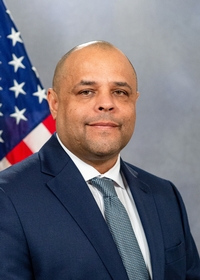
Rep. José Giral
Sponsored bills
Maddy summaryHB 457 amends Pennsylvania's Liquor Code to require new labeling on alcohol containers for distilleries, wineries, bonded warehouses, and alcohol transporters. The labels must include the manufacturer's name, alcohol type and quantity, production date, license number, and a clear cancer warning: "WARNING: There is a direct link between alcohol and fatal cancers." This applies to all containers ready for shipment and those held in wholesale quantities. The law takes effect 60 days after enactment.
Maddy summaryHB 449 requires Pennsylvania police officers to issue a warning or citation ordering individuals to stop specific minor unlawful conduct before making an arrest without a warrant. It applies to offenses like disorderly conduct, public drunkenness, obstructing highways, and liquor violations under Title 18. The bill mandates that officers must first warn individuals to cease the conduct, and only arrest if they refuse or fail to comply. Additionally, police departments must establish written guidelines for officers before implementing these warrantless arrests. The law takes effect 60 days after enactment.
Maddy summaryHB 456, the Restroom Access Act, requires Pennsylvania retail establishments with employee restrooms to allow customers with specific medical conditions to use them during business hours under defined conditions. It directly affects customers who use ostomy devices or have inflammatory bowel diseases (like Crohn's or ulcerative colitis) and cannot access a public restroom nearby. To qualify, customers must provide written physician documentation or a nonprofit-issued ID card verifying their condition. Retail businesses violating the law face a civil penalty of up to $500, but the law does not require physical changes to restrooms. The bill takes effect immediately upon passage.
Maddy summaryHB 455 establishes Pennsylvania's "Building a Better Future Grant Program" to fund organizations providing education and workforce training to young adults aged 16-24 who are disconnected from education. The program targets organizations serving youth from low-income backgrounds with specific vulnerabilities (e.g., foster care, disability, homelessness, or school dropout) and requires grantees to offer at least two services like job training, career counseling, or high school equivalency support. The Department of Labor and Industry will administer $5 million in state funding (from the General Fund) to award grants of up to $1 million per organization, with 5% reserved for statewide technical assistance. This directly affects eligible young adults and qualifying local organizations focused on construction, healthcare, and other in-demand vocational fields.
Maddy summaryHB 443 modifies Pennsylvania's sentencing for second-degree murder convictions, including murder of an unborn child or a law enforcement officer. It reduces maximum sentences: for adults, from life imprisonment to 50 years; for offenders under 18, it sets a maximum of 40 years for those 15+ at the time of crime and 30 years for those under 15. The bill also establishes new parole timelines - 25 years for standard life sentences under this section, 20 years for those under 18 aged 15+, and 15 years for those under 15 - requiring the parole board to prioritize public safety, victim safety, and consider the offender's culpability before granting parole. Additionally, it mandates that victims be notified and given a chance to be heard before parole decisions for these cases.
Maddy summaryHB 429 amends Pennsylvania's Fiscal Code to direct specific transfers from the Budget Stabilization Reserve Fund to address pension obligations. It requires $670 million to be transferred to the Public School Employees' Retirement Fund and $330 million to the State Employees' Retirement Fund by January 1, 2026, as one-time payments to reduce their unfunded pension liabilities. These transfers are separate from the fund's usual purpose of covering emergencies or economic downturns. The bill directly affects Pennsylvania's public employee pension systems, not general state programs or new legislation.
Maddy summaryHB 423 establishes Pennsylvania's Future Voter Program, allowing high school students aged 16-17 to preregister to vote before turning 18. The bill requires schools to hold voter registration events during Constitution and Citizenship Day (September 17), providing applications and online registration opportunities for eligible students. Students who preregister will not be added to the voter registry until they reach age 18. The program mandates school entities to coordinate these events, with the Secretary of Education and Secretary of the Commonwealth overseeing implementation. This directly affects all high school students in Pennsylvania who are 16 or 17 years old.
Maddy summaryThis bill requires judges to ban convicted individuals of riot or disorderly conduct offenses from owning, possessing, or caring for animals for at least two years. It mandates completion of violence prevention counseling as part of sentencing, with failure to comply considered a separate offense. Violating the animal ownership ban results in escalating misdemeanor charges: third-degree for the first violation (adding one year to the ban), second-degree for a second violation (adding five years), and first-degree for third or subsequent violations (adding ten years). The law applies only to those convicted under specific provisions of Title 18, directly affecting offenders in these cases.
Maddy summaryHB 432 establishes Pennsylvania's Maternal Care Access Program under the Department of Health to address gaps in maternal healthcare. The bill identifies counties as "maternal care access zones" using the Maternal Vulnerability Index (based on social factors like poverty, education, and healthcare access) and the Social Vulnerability Index. It requires the Department to develop regulations for improving access to obstetric care, birth centers, and providers in areas classified as "maternity care deserts" (regions lacking hospitals, birth centers, or specialized providers within 25 miles). The program directly affects underserved communities and the Department of Health, focusing on concrete policy changes to expand maternal health resources.