

Maddy summaryHB 584 creates a program to help Pennsylvania homeowners address lead paint hazards in older homes. It establishes a Lead Abatement Grant Program, where municipalities receive competitive grants to fund lead hazard control work (like paint removal or soil cleanup) for single-family homes and rental properties. The program prioritizes low-income households (under 50% of median income) and homes with children under six. Funding comes from a 50¢ surcharge on each gallon of architectural paint sold to consumers, deposited into a dedicated Lead Abatement Assistance Fund. The surcharge applies to standard interior/exterior paint for homeowners or businesses, not industrial or aerosol products.
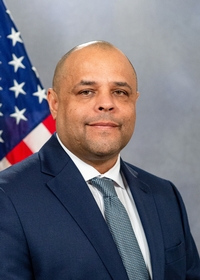
Rep. José Giral
Sponsored bills
Maddy summaryHB 578 sets a new maximum contaminant level of 10 parts per trillion for specific PFAS chemicals (including PFOA and PFOS) in public drinking water systems across Pennsylvania. This directly affects municipal water providers and the residents who rely on tap water, requiring them to meet this stricter standard. The bill establishes this limit unless federal or state agencies set a higher standard, in which case those standards would take precedence. Water systems must comply with this level, and the Department of Environmental Protection must publish any federal/state standards in the Pennsylvania Bulletin. The law takes effect 60 days after enactment.
Maddy summaryHB 570 requires developers of new residential projects with 30 or more units to include affordable housing units. Specifically, projects must reserve 5% of units for very-low-income households (earning 50% or less of the area median income), 10% for low-income households (up to 80% of median income), and 10% for middle-income households (80-120% of median income). Developers must meet phased completion targets as market-rate units are finished - such as 10% affordable units when 25% of market units are complete - and municipalities may withhold certificates of occupancy if requirements aren’t met. The bill directly affects developers of qualifying new residential projects in Pennsylvania, aiming to increase housing options for lower-income residents.
Maddy summaryHB 571 establishes the Rebuild Pennsylvania Board, Program, and Fund to allocate state funds for infrastructure and community projects. The Board, composed of 5 appointed members (including Governor and legislative leaders), will distribute funds across 10 specific categories like flood control, disaster response, green infrastructure, brownfield cleanup, and school contaminant remediation. Program money will be used for grants, loans, or other financial assistance to eligible projects within 15 days of allocation. This bill directly affects Pennsylvania communities and local governments receiving these funds, with the program funded through an interfund transfer as specified in the legislation.
Maddy summaryHB 605 creates a program where individuals on probation, parole, or post-release supervision in Pennsylvania can earn time off their supervision period by meeting specific requirements. For each month of compliance - including fulfilling their case plan, avoiding new arrests, and making scheduled payments for restitution or fines - they earn 15 days toward reducing their supervision term. Agencies must award these "earned compliance credits," place compliant individuals in nonactive status, and petition courts to shorten supervision when all financial obligations are met. Individuals facing financial hardship that prevents payments cannot be barred from earning credits if they meet other requirements. The bill requires agencies to publish forfeiture rules online for violations, limiting forfeited credits to those already earned.
Maddy summaryHB 568 establishes county-level "gun violence task forces" in Pennsylvania communities with high and increasing gun violence rates. These task forces, created upon a district attorney's written request to the Attorney General, investigate violations of firearm laws (sections 6105 and 6111 of Title 18) and recommend prosecutions. The task forces include local law enforcement, community stakeholders, faith leaders, and neighborhood representatives, operating under the Attorney General’s authority. The Attorney General gains authority to prosecute certain firearm offenses in these counties, considering factors like the severity of the offense and the offender’s criminal history, while local prosecutors may request prosecution for specific cases involving murder or violent crimes.
Maddy summaryThis bill adds music therapy to Pennsylvania's existing licensing framework for mental health professionals. It creates a new "licensed professional music therapist" category and defines "practice of music therapy" to include clinically proven techniques like music improvisation, songwriting, and music-based assessments. The State Board of Social Workers, Marriage and Family Therapists, Professional Counselors, and Professional Music Therapists will regulate this new license. It directly affects individuals who provide music therapy services independently, requiring them to hold this specific license while clarifying that existing healthcare providers (like hospitals or schools) aren't required to obtain it for their employment.
Maddy summaryHB 551, the "Support Through Loss Act," requires employers with five or more employees in Pennsylvania to provide 24 hours of paid leave annually for employees experiencing pregnancy loss or related reproductive health events. It covers specific situations like pregnancy loss, failed fertility treatments (including assisted reproductive technology), adoption issues, or fertility-related diagnoses, as well as leave to care for a spouse or domestic partner in these circumstances. Employers must post notices about the policy and are prohibited from retaliating against employees who use this leave or discriminating based on its use. The bill takes effect for all covered employers starting January 1, 2026.
Maddy summaryHB 549 requires Pennsylvania medical marijuana grower/processors and dispensaries to maintain continuous video surveillance and retain recordings for at least 180 days. This applies to all licensed businesses under the state's medical marijuana program, including those growing, processing, and dispensing marijuana. The bill adds this security and record-keeping requirement to existing regulations without changing other aspects of the program. It aims to improve oversight and provide documented evidence for investigations or legal purposes.
Maddy summaryHB 552 creates three public alert systems in Pennsylvania: the Amber Alert for abducted children, the Missing Endangered Person Advisory System for missing individuals at special risk (e.g., due to health conditions), and the Green Alert for veterans-at-risk (veterans with service-related health conditions facing harm). The Pennsylvania State Police must establish and maintain these systems, coordinate with other jurisdictions, and use a $25 fee assessed on certain convictions (like kidnapping or unlawful restraint) to fund them. The bill also prohibits false alerts with a $5,000 civil penalty and ensures law enforcement can still independently notify the public. It directly affects the State Police, law enforcement agencies, and individuals convicted of specified crimes.