

Maddy summaryHB 1669 requires Pennsylvania public schools serving kindergarten through grade five to provide at least 30 minutes of daily supervised, unstructured free-play recess for all students. This means students cannot replace recess with extra classwork, and schools cannot withhold recess as punishment for behavior or missed assignments. The bill mandates that recess occur outdoors when weather and facilities permit, while allowing exceptions based on medical advice or a student's individualized education plan. It defines "free-play recess" as time away from structured learning for physical activity or social play, excluding scheduled physical education classes. The law takes effect 60 days after enactment.
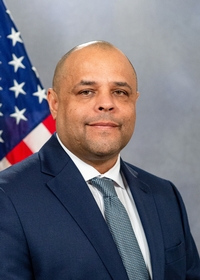
Rep. José Giral
Sponsored bills
Maddy summaryHB 1670 requires health insurance plans in Pennsylvania, including Medicare and Medicaid coverage, to provide hearing aid benefits. Specifically, it mandates that insurers offer at least $2,500 in coverage every three years for hearing aids sold under state registration rules, with benefits applicable to either hearing aid sellers or contracted fitters. This applies to most health insurance policies but excludes dental, vision, Medicare supplements, and other specified plans. The law takes effect 90 days after enactment, impacting insurers and enrollees in covered health plans across the state.
Maddy summaryHB 1428 amends Pennsylvania's education code to clarify which school-related organizations are considered "governmental entities" for retirement purposes. It specifically adds career and technical education boards to the definition while excluding associations that collect membership dues from public schools under the Public School Code. This change affects new school employees hired after the law takes effect, ensuring those associations are not treated as nonparticipating employers in retirement plans. The bill directly adjusts how retirement benefits are administered for these employees by defining which entities sponsor retirement coverage.
Maddy summaryHB 506 amends Pennsylvania's Human Services Code to establish a state-funded Child Care Staff Recruitment and Retention Program. It directly affects licensed child care providers and their staff by creating a new program to address staffing shortages. The key mechanism provides state funding for recruitment incentives and retention support, such as signing bonuses or professional development, for child care workers. The bill passed final passage on June 25, 2025, and was referred to the Health & Human Services committee.
Maddy summaryThis resolution formally recognizes July 25, 2025, as "World IVF Day" within Pennsylvania. It is a symbolic gesture by the state legislature to acknowledge and raise awareness about in vitro fertilization (IVF) and reproductive health. The resolution does not create new laws, alter policies, or directly affect individuals or organizations. It serves as a commemorative statement without legal force or concrete policy changes.
Maddy summaryHB 1654 requires Pennsylvania school districts to set identical starting salaries for teachers holding the same grade span State instructional certification and salary step, beginning with the 2026-2027 school year. This applies uniformly across all districts, ensuring teachers with identical qualifications (certification type and experience level) receive the same initial pay regardless of where they are hired. The bill mandates this consistency in new-hire compensation without altering existing salary structures for current employees. It takes effect 60 days after enactment, with the first application for the 2026-2027 school term.
Maddy summaryHB 1539 creates a new grant program to help school districts purchase electric school buses, funded through a dedicated "Electric School Bus Grant Program Fund." It directly affects public school districts seeking to replace diesel buses with electric models by providing financial assistance for vehicle purchases and related infrastructure. The bill requires the Department of Education to administer the program, including setting eligibility rules and distributing funds. The bill is currently pending in the Energy committee after being re-referred there from Education.
Maddy summaryHB 1653 creates competitive grants to help nonprofit early childhood organizations and public school districts establish or expand child-care centers in rural Pennsylvania counties with low population density (under 291 people per square mile). The grants fund facility costs like construction or renovation, and provide two years of salary supplements to ensure child-care staff earn comparable pay to public school teachers. Recipients must partner with local businesses to cover some child-care fees for employees, aiming to maintain staffing levels after the grant period ends. This bill directly supports rural communities facing childcare shortages by making it financially feasible to open or grow quality early childhood programs.
Maddy summaryHB 968 allows active duty military members and disabled veterans to use their home state fishing and hunting licenses in Pennsylvania without purchasing separate Pennsylvania licenses. The bill amends Pennsylvania’s Fish (Title 30) and Game (Title 34) statutes to create reciprocity for annual licenses, directly benefiting these groups when fishing or hunting in the state. Key provisions remove the need for these individuals to pay additional fees for Pennsylvania licenses, streamlining access to outdoor recreation. The bill passed in June 2025 and is now law.
Maddy summaryHB 1216 amends Pennsylvania's 1968 Unfair Trade Practices and Consumer Protection Law to update definitions of prohibited business practices and clarify which acts are considered unlawful. It specifically adds new provisions targeting deceptive marketing tactics and strengthens exclusions for certain professional services. The bill directly affects businesses operating in Pennsylvania (particularly those in retail, finance, and professional services) and consumers who may encounter unfair practices. The legislation passed its final vote on June 23, 2025, and is now pending review by the Consumer Protection & Professional Licensure committee.