

Maddy summaryThis Pennsylvania House resolution asks the U.S. Congress to change federal rules so that military reservists who are also eligible for federal employee health insurance can join the TRICARE Reserve Select program. Currently, federal employees serving in the National Guard or armed forces reserves are barred from enrolling in this specific health coverage, which the bill argues creates a financial disincentive for them to work for the government. The measure does not alter any laws directly but serves as a formal recommendation to lawmakers to address this eligibility gap.
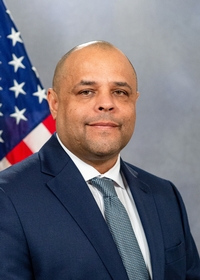
Rep. José Giral
Sponsored bills
Maddy summaryThis Pennsylvania bill updates the state's tax code to provide tax relief for victims of Nazi persecution. It specifically exempts from state personal income tax any money received as compensation for the seizure, theft, or forced conversion of income or property that occurred after May 30, 1971. The legislation also clarifies that such compensation is not considered a taxable gain from selling property. These changes apply to tax years starting on or after December 31, 2024, and take effect immediately.
Maddy summaryThis bill amends Pennsylvania's Human Services Code to update definitions related to child care and establish a new copayment system for families receiving subsidized child care. It clarifies terms such as "child care," "child-care center," and "family child-care home" to specify who is covered and under what conditions. Under the new rules, parents or caretakers must pay a portion of the child care cost based on their family's annual income, with a cap of fifteen percent. The legislation also provides special provisions for families where the parent or caretaker works as a child-care employee or a direct support professional, ensuring they remain eligible for subsidies regardless of income level while still requiring a capped copayment.
Maddy summaryThis bill creates a new state program that allows Pennsylvania municipalities to establish special zoning districts designed to encourage higher-density housing near transit hubs and existing commercial areas. To qualify for financial incentives, towns must adopt specific zoning rules that permit mixed-use developments and affordable housing while meeting minimum requirements for open space and infrastructure. The legislation establishes a dedicated fund to provide one-time payments to municipalities for each new housing unit built within these approved districts, aiming to increase attainable housing stock. Local governments directly affected by this law would need to submit detailed plans outlining their housing goals and development strategies to the Department of Community and Economic Development for approval.
Maddy summaryThis resolution directs the Joint State Government Commission to study how Pennsylvania can increase the use of sustainable building materials in both state-funded and private construction projects. The commission will investigate the feasibility of updating construction requirements to include eco-friendly options like recycled steel and low-carbon concrete, while also analyzing the potential cost impacts of such changes. The study aims to identify suitable materials for the state's infrastructure and project direct and indirect financial savings or increases if these requirements are adopted. The commission is required to submit its findings to several House committees within 180 days of the resolution's passage.
Maddy summaryThis bill designates September of each year as "International Underground Railroad Month" throughout Pennsylvania. It aims to honor the courage of freedom seekers and the individuals who assisted them in escaping slavery through a clandestine network. The legislation includes a list of historical findings that highlight the significance of the Underground Railroad and its role in the state's history. Importantly, the bill clarifies that this designation does not require employers to treat September as a paid holiday or provide special leave for employees.
Maddy summaryThis bill requires Pennsylvania vehicle safety inspections to include a test for window tint levels using a specialized meter. If a car with tinted windows fails to meet state regulations, it will not pass the inspection. Additionally, the law makes it illegal for businesses to sell window tinting services without telling customers that the modification might violate tint limits. This provision aims to prevent deceptive practices by allowing consumers to take legal action against shops that hide potential compliance issues. The changes will become effective 60 days after the bill is signed into law.
Maddy summaryThis bill establishes the Health Insurance Core Benefits Coverage Act to require all individual and group health insurance policies in Pennsylvania to cover a specific set of essential services. These mandatory benefits include emergency care, hospitalization, prescription drugs, mental health treatment, and preventive services, ensuring that plans are at least as comprehensive as those first offered in the state in 2020. The Insurance Department is authorized to adjust these requirements through regulations by considering factors such as population health needs, potential discrimination, and medical advancements. Insurers that fail to comply with these coverage standards face penalties, while the law explicitly excludes limited policies like dental-only or accident-only plans from these mandates.
Maddy summaryThis bill modifies Pennsylvania fishing and hunting laws to provide financial relief for disabled veterans and former prisoners of war. It establishes that veterans with a 100% service-connected disability rating will receive free fishing, hunting, and furtaking licenses, while those with ratings between 60% and 99% will pay a reduced fee of one dollar. To qualify, applicants must be certified by the U.S. Department of Veterans Affairs and submit proof that their disability was incurred during military service. The changes apply to resident licenses and will take effect 60 days after the bill is enacted.
Maddy summaryThis bill updates Pennsylvania's Public Utility Confidential Security Information Disclosure Protection Act to create a specific exception for government agencies. It requires public utilities to share emergency response plans and other records with federal or state authorities, such as the National Transportation Safety Board, when there is a reasonable belief of a safety risk or potential harm. The legislation ensures that agencies receiving this information can use it without fear of violating confidentiality rules or triggering public record requests under the Right-to-Know Law. The changes apply to all public utilities in the state and take effect 60 days after the bill is passed.