

Maddy summaryThis bill amends Pennsylvania laws to replace the existing Abortion Control Act with a new framework that reorganizes abortion-related offenses under a chapter titled "Reproductive Offenses." It removes previous requirements for informed consent, parental consent, and spousal notification while also eliminating penalties for physicians who perform abortions on fetuses of 24 weeks or more gestational age. The legislation further repeals restrictions on fetal experimentation and changes how insurance regulations are handled regarding abortion services, aiming to provide a clearer legal structure for reproductive health care in the state.
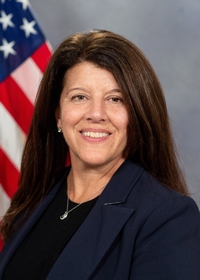
Rep. Lisa Borowski
Sponsored bills
Maddy summaryThis bill requires mortgage lenders in Pennsylvania who offer reverse mortgages to provide housing counseling to applicants before approving a loan. The counseling must be conducted in person by an agency approved by the U.S. Department of Housing and Urban Development, though telephone or video calls are permitted if an in-person meeting is not feasible. Lenders must also issue a signed certificate documenting the counseling session and keep it on file for the entire duration of the loan. These rules directly affect mortgage loan industry licensees and consumers seeking reverse mortgage products.
Maddy summaryThis bill modifies sentencing guidelines and parole rules for specific murder cases in Pennsylvania, including the killing of unborn children and law enforcement officers. It establishes new minimum prison terms for adult offenders, setting a floor of 50 years, and creates age-based minimums for juveniles, ranging from 20 to 30 years depending on their age at the time of the crime. Additionally, the legislation grants the Pennsylvania Board of Probation and Parole the authority to consider parole for these individuals after serving their minimum sentences, provided they meet specific criteria regarding public safety and victim impact. A key provision requires the board to notify victims of the crime and offer them the chance to speak during parole hearings before a decision is made.
Maddy summaryThis Pennsylvania House Resolution officially recognizes March 8, 2024, as International Women's Day within the state. The measure aims to honor the diverse accomplishments and aspirations of women by encouraging residents to participate in related events and activities. It highlights the significant contributions of women in various fields, including government, science, and the arts, while specifically noting the increased number of women in Pennsylvania's legislative leadership roles.
Maddy summaryThis bill updates the rules for selling and using high-PAH sealants, which are used in roofing and waterproofing projects, by setting a sales ban effective January 1, 2025, and an application ban starting January 1, 2026. It allows local governments to create their own laws to enforce these restrictions, provided they are at least as strict as a model ordinance that the state Department of Environmental Protection will draft. The bill also changes how fines are handled, permitting municipalities to collect and keep penalties for violations of their local rules rather than sending them to the state department. Additionally, it establishes a Safer Sealant Fund to manage money collected from these penalties.
Maddy summaryHB 1463 amends Pennsylvania's health and safety laws to update and clarify the definitions of various emergency service roles and organizations. The bill specifically revises how terms such as "fire company," "volunteer fire company," "emergency responder," and "telecommunicator" are defined across multiple sections of state statutes. By standardizing these descriptions, the legislation ensures consistency in how the state categorizes firefighters, medical workers, dispatchers, and other personnel involved in emergency response and mutual aid. This update applies to all volunteer, municipal, and nonprofit agencies that provide fire protection, rescue, or emergency medical services within the Commonwealth.
Maddy summaryThis bill establishes the PA VETConnect Program, which requires employers with more than 50 full-time employees to display a standardized poster about veterans' benefits and services. The poster must be placed in a visible area and include contact information for the Department of Military Affairs, resources for mental health and education, tax benefits, driver's license options, unemployment insurance details, legal services, and crisis line contacts. By mandating this workplace posting, the legislation aims to make support resources for veterans and their families more accessible within Pennsylvania workplaces.
Maddy summaryThis bill modifies the Mixed-Use Revitalization Program in Pennsylvania to require developers using program funds to prioritize American-made supplies. It establishes a process where developers must notify their local municipality if a needed supply is not available domestically, allowing the public to file objections if they believe a suitable American alternative exists. The legislation defines "American-made" as items produced, manufactured, mined, grown, or performed within the United States. Ultimately, the requirement to use domestic supplies is waived for specific items only after a formal review confirms they are unavailable or insufficient in the U.S. market.
Maddy summaryThis bill directs government health programs to cover the cost of medically necessary home blood pressure monitors for pregnant and postpartum individuals. The measure specifically defines "enrollees" as those receiving government-sponsored health care and limits the coverage to devices validated for clinical accuracy. It applies to programs such as the Children's Health Insurance Program and extends the postpartum period to one year following delivery. The changes will become effective 60 days after the bill is enacted.
Maddy summaryThis bill amends Pennsylvania's Tax Reform Code to provide a financial discount to businesses that file sales and use tax returns and pay their taxes on time. The discount is calculated based on the amount of tax collected, with specific dollar amounts per return depending on whether the business files monthly, quarterly, or semiannually, or a percentage of the total tax collected. Directly affecting licensed tax collectors, the measure serves as compensation for the costs of collecting and remitting taxes. The law will become effective 60 days after it is signed into law.