

Maddy summaryHB 2252 makes it a crime to share someone's intimate image without consent, including AI-generated images that falsely depict them in nudity or sexual conduct. It directly affects individuals whose intimate images are shared non-consensually, whether the images are real or artificially created using AI or photo editing. The law establishes misdemeanor penalties (from second to first degree) based on factors like the victim's age, the sharer's intent (e.g., to harass, profit, or cause harm), and whether multiple images were shared. This bill updates Pennsylvania's sexual offenses law to specifically address the growing threat of AI-generated intimate images, ensuring they face the same legal consequences as real non-consensual image sharing.
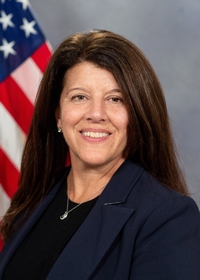
Rep. Lisa Borowski
Sponsored bills
Maddy summaryHB 497 would amend Pennsylvania's Election Code to ban foreign-influenced corporations from making political contributions or expenditures. A "foreign-influenced corporation" is defined as one where a foreign investor (such as a foreign government or entity) owns 1% or more of its equity (or 5% in aggregate) or influences its U.S. political activities. The bill prohibits these corporations from contributing to candidates, political parties, committees, or ballot questions, or spending money to support or oppose elections. Violations would trigger penalties under the Election Code, directly affecting corporations meeting the foreign-influence criteria.
Maddy summaryHB 1678 adds a 45-mill tax plus a 5-mill surtax on gross receipts from digital advertising services displayed to users within Pennsylvania. It directly affects digital advertising providers (e.g., companies running banner or search ads) but exempts broadcast and news media entities. The tax applies to revenue from ads shown on digital interfaces (websites, apps) where users are located in Pennsylvania, excluding sales of internet access, telecom hardware, and resale services. The law takes effect for taxable years beginning after December 31, 2025.
Maddy summaryThis bill creates a new chapter in Pennsylvania law to regulate medical devices by banning specific toxic chemicals known as ortho-phthalates, with a primary focus on DEHP. The legislation targets manufacturers of intravenous solution containers and tubing, which currently use these chemicals to make plastic flexible. By prohibiting the intentional addition of these substances, the bill aims to prevent the chemicals from leaching into patient fluids and reducing the effectiveness of cancer treatments. The law is based on findings that these compounds can act as endocrine disruptors, potentially harming reproductive health and contributing to drug resistance in cancer cells.
Maddy summaryThis bill amends Pennsylvania's Alternative Energy Portfolio Standards Act to establish a formal process for reviewing connections between renewable energy systems and the electric grid. It requires electric distribution companies to determine at a scoping meeting whether a feasibility, impact, or facilities study is needed and mandates that these studies be completed within 90 days. Upon finishing the study, the utility must agree to perform any necessary grid upgrades, providing a timeline and cost estimates that are subject to commission approval. If the utility fails to complete these upgrades on time or within the estimated budget, the customer can use a dispute resolution process, and the commission may enforce penalties against the utility.
Maddy summaryThis bill requires Pennsylvania electric distribution companies to build a combined 3,000 megawatts of energy storage systems by July 2033, with specific targets for short-duration and long-duration storage. The Public Utility Commission will assign storage goals to each company based on their service area's demand and may adjust these targets if market conditions change. Companies must use open, competitive bidding processes overseen by an independent monitor to purchase this capacity through long-term contracts.
Maddy summaryThis Pennsylvania House Resolution designates June 19, 2026, as "Juneteenth Independence Day" within the state to honor the anniversary of the final abolition of slavery in the United States. The measure formally recognizes the historical significance of June 1865, when Union troops announced freedom to enslaved people in Texas, and encourages residents to observe the day with ceremonies and educational programs. As a commemorative resolution, it does not create a paid state holiday or alter employment laws but serves to acknowledge the legacy of the transatlantic slave trade and the resilience of African American descendants.
Maddy summaryThis bill updates Pennsylvania's Public School Code to clarify how state funding is distributed to charter and cyber charter schools. It establishes a specific formula where local school districts must pay charter schools based on the per-student cost of operating the district's own programs, adjusted annually by wage and employment cost indices. The legislation also sets up a process where the state education secretary can deduct unpaid amounts from a district's state funds if the district fails to pay the charter school on time. These changes aim to ensure that charter schools receive consistent and predictable funding from the districts where their students reside.
Maddy summaryHB 1296 adds an optional $5 contribution during vehicle registration renewals and driver's license/ID renewals to fund two specific programs. Vehicle registrants and driver's license holders can choose to contribute $5 (or $10 for two-year registrations) to either the Fire Company Grant Program or Emergency Medical Services Grant Program. The contributions are added to existing renewal fees and deposited into restricted accounts within the General Fund, which the Pennsylvania Emergency Management Agency then uses to make grants under existing law. This bill directly affects Pennsylvanians renewing vehicle registrations or driver's licenses, with no mandatory contribution required.
Maddy summaryThis House Resolution honors the life of Pennsylvania State Police Corporal Timothy J. O'Connor, Jr., who died in the line of duty in March 2026, and extends condolences to his family. The document details his 15-year career, numerous awards, and community service, while formally recognizing his sacrifice as the 105th state police officer to die in service. It directs that a copy of the resolution be presented to his wife, Casey O'Connor, as a gesture of respect and support.