

Maddy summaryThis bill updates Pennsylvania laws to protect the privacy of emergency responders by restricting who can share information about their mental health discussions, except in cases of immediate danger or with consent. It specifically requires employers to provide free mental health evaluations for post-traumatic stress disorder to 911 dispatchers upon request or supervisor recommendation. If a dispatcher is found to have PTSD symptoms, the law mandates that they receive treatment and be temporarily assigned to administrative duties until a healthcare provider confirms they can return to full work. These changes aim to support the well-being of first responders and dispatchers while establishing clear rules for confidentiality and care.
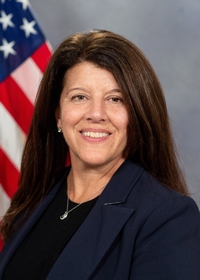
Rep. Lisa Borowski
Sponsored bills
Maddy summaryThis bill amends Pennsylvania's Vital Statistics Law to establish fee waivers for obtaining certified copies of birth and death records. It directly affects active duty military personnel, veterans, their spouses, dependents, funeral homes, and legal representatives of deceased service members. The key provision allows these specific groups to receive their first ten certified copies of a record for free each year, while also clarifying definitions for terms like "veteran" and outlining specific conditions for who qualifies for the waiver.
Maddy summaryThis bill designates the week of June 24 through 28, 2024, as "Union Organizing Week" in Pennsylvania to honor workers who advocate for their right to organize. The resolution includes language acknowledging the contributions of union negotiators and diverse workers, including veterans, to the state's economy and communities. It also expresses the view that employers and unions should collaborate for mutual success and recognizes the dedication of those seeking fair treatment at the workplace.
Maddy summaryThis bill directs the Pennsylvania Human Services department to update its licensing rules within 60 days to include assisted living and supplemental health care services under the state's Community HealthChoices program. Specifically, it requires the department to submit necessary paperwork to the federal Centers for Medicare and Medicaid Services so that licensed assisted living facilities can be certified as medical assistance providers for these services. The legislation affects assisted living residences and the state health department by formally integrating these facilities into the existing healthcare coverage system.
Maddy summaryThis bill amends Pennsylvania laws to improve substance use overdose awareness by requiring the Department of Drug and Alcohol Programs to distribute educational posters in multiple languages. The department is authorized to cover the costs of printing and distributing these materials, which must be placed in conspicuous locations where permitted. Additionally, the legislation establishes a new grant program designed to support long-term recovery from substance use. These changes directly affect state agencies responsible for drug and alcohol prevention and the communities they serve.
Maddy summaryThis bill creates a new grant program called the Municipal Police Enhancement Consolidation Grant Program to help Pennsylvania municipalities improve their local police departments. Administered by the Pennsylvania Commission on Crime and Delinquency, the program provides funding for specific goals such as merging small police departments, achieving professional accreditation, officer training, and community outreach. Grants range from $5,000 to $100,000 depending on the purpose, with smaller departments receiving extra points for consolidation or accreditation efforts. The legislation establishes a dedicated fund to finance these awards and sets specific deadlines for publishing program details and accepting applications starting in fiscal year 2025.
Maddy summaryHB 2370 amends Pennsylvania's Public School Code to update regulations for public schools and charter schools, with specific new rules on advertising and funding. The bill requires public schools to clearly state that any advertised costs for tuition or technology are paid by taxpayers and prohibits schools from using taxpayer money to sponsor public events. It also establishes reporting requirements for school advertising expenditures and expands definitions related to charter school management and enrollment. Additionally, the legislation modifies how student-weighted basic education funding is calculated and introduces new accountability grants for the state.
Maddy summaryThis bill designates the week of June 17 through 23, 2024, as "Pollinator Week" throughout Pennsylvania to raise awareness about the importance of bees and other pollinators for agriculture and ecosystems. It acknowledges the roles of various state organizations, such as the Pennsylvania State Beekeepers Association and the Department of Agriculture, in supporting beekeeping and habitat conservation. The resolution formally congratulates these groups for their efforts and urges the Governor to issue a proclamation recognizing the observance. Copies of the resolution will be sent to relevant state agencies and partner organizations to facilitate public recognition of the event.
Maddy summaryThis bill amends Pennsylvania's Clean Indoor Air Act to update definitions and clarify which specific types of businesses are subject to smoking restrictions. It directly affects establishments such as drinking establishments, cigar bars, and gaming floors by refining the criteria used to classify them under the law. Key provisions include adding new definitions for terms like "electronic smoking device" and "private club," while also removing certain categories like "cigar bars" from the list of regulated venues. The legislation maintains the state's authority to set these rules and prevents local governments from passing conflicting ordinances.
Maddy summaryPennsylvania House Bill 1684 updates state laws regarding child custody by establishing clearer definitions for terms like "equal parenting time" and "supervised physical custody." The bill introduces a rebuttable presumption that shared physical custody and equal parenting time are in a child's best interest during temporary custody orders, requiring courts to maximize time with each parent unless specific factors suggest otherwise. It also outlines new procedures for obtaining temporary custody orders based on affidavits and agreements, while expanding the list of factors judges must consider, including any criminal convictions of the parents. These changes aim to standardize how courts evaluate custody arrangements and ensure that parenting plans are explicitly detailed in legal orders.