

Maddy summaryThis Pennsylvania House Resolution designates November 2026 as National Epilepsy Awareness Month to highlight the condition and reduce societal stigma. The measure directly affects the state legislature and the public by formally recognizing the month for educational purposes. It does not change laws or allocate funding but serves as a symbolic gesture to promote understanding of epilepsy among Pennsylvanians.
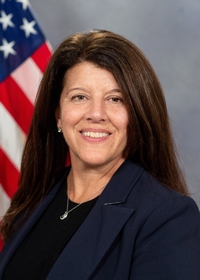
Rep. Lisa Borowski
Sponsored bills
Maddy summaryHB 928 amends Pennsylvania law to expand access to epinephrine auto-injectors for severe allergic reactions. It adds schools, sports organizations, and other public venues to the list of "authorized entities" allowed to store these devices and train staff. The bill clarifies who can access the injectors during emergencies and specifies training requirements for personnel. This directly affects schools, youth programs, and public facilities serving individuals at risk of anaphylaxis.
Maddy summaryThis bill requires health insurance plans in Pennsylvania to cover specific preventive services without charging patients any deductibles, copayments, or coinsurance. The list of covered services is primarily based on recommendations from federal health organizations, such as the U.S. Preventive Services Task Force and the Advisory Committee on Immunization Practices, and is managed by the state Department of Health. While most standard health plans must comply with these requirements, the law explicitly excludes "grandfathered" plans that existed before the bill takes effect. The legislation also establishes a process for the state to add new preventive services or remove existing ones based on current medical evidence and expert recommendations.
Maddy summaryThis Pennsylvania bill expands rules against hunting and trapping by explicitly banning the use of devices that involve beating game or wildlife. It also strengthens license penalties by allowing officials to revoke hunting or trapping privileges for specific serious violations, including the new beating prohibition, hunting while intoxicated, entering safety zones, damaging property, shooting at people, and failing to assist after an incident. Additionally, the law permits license revocation for individuals convicted of aggravated cruelty to animals in Pennsylvania or similar offenses in other states. The commission retains the authority to set the specific duration for any license revocations.
Maddy summaryThis bill updates the Pennsylvania Public Utility Code by formally defining "commercial data centers" and refining the legal definition of "public utility." It specifically categorizes large data facilities with a peak demand of 25 megawatts or more as commercial data centers, while simultaneously clarifying that such facilities are not considered public utilities if selling electricity to the grid is not their primary business. These changes aim to provide clearer regulatory boundaries for utility providers and data center operators without altering existing operational requirements.
Maddy summaryThis bill creates a new tax credit for small businesses in Pennsylvania that help employees pay for health insurance purchased through the state exchange. To qualify, a business must have 50 or fewer employees and make contributions toward health reimbursement arrangements for their workers. The credit is calculated based on the first $1,000 of contributions per employee and can be applied to reduce the business's state tax liability. Companies claiming the credit must submit detailed forms to the Department of Revenue listing employee information and insurance provider details.
Maddy summaryHB 2198 repeals the Computer Data Center Equipment Incentive Program from Pennsylvania's Tax Reform Code of 1971. This bill eliminates tax exemptions and refunds previously available for investments in data center equipment, such as servers, cooling systems, and energy infrastructure. The repeal directly affects computer data centers and their owners/operators who previously qualified for these tax benefits under Article XXIX-D. The policy change removes a specific tax incentive program without creating new provisions. This is a procedural change to the tax code, ending an existing program for data center equipment investments.
Maddy summaryThis bill establishes the Pennsylvania Maternal and Infant Outcome Measures Survey Program within the Department of Health to collect data on the health experiences of mothers and babies. The program will conduct surveys of individuals who have recently had a live birth to gather information on their behaviors, attitudes, and experiences before, during, and after pregnancy. The Department of Health is authorized to use available funding, including federal money, and may hire outside contractors to run the survey while ensuring all personal data remains confidential. Additionally, the bill allows the department to share de-identified survey results with researchers and publish them in public reports to help improve maternal and child health outcomes.
Maddy summaryThis bill modifies Pennsylvania's tax code to update definitions for tax benefits and establish new rules for computer data centers and infrastructure projects. It prohibits the state from certifying any new computer data centers after the law takes effect, effectively ending the current incentive program for such facilities. Additionally, the legislation creates a new certification process for the Governor's Responsible Infrastructure Development program, which sets standards for clean firm energy, including requirements for nuclear, hydro, wind, solar, and hydrogen sources. These changes aim to clarify how tax benefits are administered and to guide future infrastructure investments toward specific energy standards.
Maddy summaryHB 2162 amends Pennsylvania's Wholesale Prescription Drug Distributors License Act to clarify definitions and license application requirements. It specifically defines "virtual manufacturer" as a business that doesn't physically handle drugs in Pennsylvania but has FDA approval processes underway, including submitting or planning to submit FDA applications within 12 months. The bill adds new application requirements: manufacturers of unapproved drugs must state they've applied to or plan to apply to the FDA within 12 months, and virtual manufacturers must provide similar documentation. Crucially, it states the state department cannot require FDA approval as a condition for licensure. This directly affects drug distributors operating under the "virtual manufacturer" model and unapproved drug manufacturers seeking state licenses.