

Maddy summaryHB 1799 amends Pennsylvania's 1992 Tuition Account Programs law to create the Keystone Scholars Grant Program, which provides financial assistance to students attending eligible postsecondary institutions. It establishes a dedicated Keystone Scholars Grant Program Account to fund this new scholarship initiative, directly affecting students and families participating in tuition savings programs. The bill updates existing program definitions, governance structures, and federal tax provisions while adding this new grant option to support educational access. This change expands the state's existing tuition savings framework without altering current program requirements.
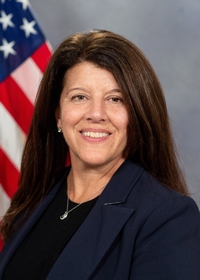
Rep. Lisa Borowski
Sponsored bills
Maddy summaryHB 1785 amends Pennsylvania's Workers' Compensation Act to expand coverage for certain cancers diagnosed in workers. It directly affects employees who develop cancer linked to job-related exposures, such as hazardous chemicals or radiation, that were previously not covered under the act. The key provision adds specific cancers to the list of occupational illnesses eligible for compensation, removing the need for workers to prove direct causation beyond standard workplace hazards. The bill is currently pending in the Labor & Industry committee after being referred on August 10, 2025.
Maddy summaryThis resolution directs the Legislative Budget and Finance Committee to study the pay and benefits provided to game wardens, waterways conservation officers, and Department of Conservation and Natural Resources rangers. It requires the committee to issue a report on these compensation packages but does not change current pay policies. The bill is procedural and focuses solely on initiating a study, not enacting new laws.
Maddy summaryThis bill is a commemorative resolution designating July 26, 2025, as "Americans with Disabilities Act Day" within Pennsylvania. It does not create new laws or policies but formally recognizes the anniversary of the federal Americans with Disabilities Act (ADA) through a symbolic observance. The resolution directly affects Pennsylvania residents by designating a specific day for community recognition of the ADA's impact. As a procedural resolution, it has no binding legal effect and is referred to the Human Services committee for consideration.
Maddy summaryHB 1775 modifies Pennsylvania's entertainment production tax credit program under the 1971 Tax Reform Code. It updates definitions, adds limitations on credit eligibility, and establishes new audit procedures for businesses claiming the credit. The bill also creates a formal review process for the Department of Revenue to examine credit claims. Additionally, it introduces a separate tax credit for creative professionals working in the entertainment industry. The bill was recently referred to the Finance Committee for further consideration.
Maddy summaryHB 1000 amends the state's Professional Psychologists Practice Act to update rules for psychologists. It specifically allows licensed psychologists to obtain a prescription certificate for certain medications, including controlled substances, under defined conditions. The bill also revises procedures for the State Board of Psychology regarding license renewals, penalties for violations, and reporting requirements for multiple licenses. These changes directly affect licensed psychologists seeking prescribing authority and the board managing professional standards.
Maddy summaryHB 1753 amends Pennsylvania state laws to address transportation network services (like ride-sharing apps). It creates new offenses related to these services and clarifies definitions for transportation network company drivers. The bill directly affects drivers working for companies such as Uber or Lyft, as well as the companies themselves. Key provisions include establishing specific criminal offenses for certain actions within this industry and standardizing terminology used in public utility regulations.
Maddy summaryHB 1758 removes existing rules that prevented employers from disciplining or terminating volunteer firefighters, ambulance staff, or rescue squad members who missed work for emergency calls. It replaces these provisions with a new tax credit program for employers who hire volunteer emergency responders (including firefighters, ambulance personnel, and rescue squad members). The tax credit, available to both private businesses and government entities, helps offset costs associated with employing these volunteers. This bill directly affects volunteer emergency responders and their employers across Pennsylvania by shifting from disciplinary protections to a financial incentive.
Maddy summaryHB 1761 prohibits water utilities and municipal authorities from charging "standby fees" to specific groups. It directly affects volunteer fire companies, nonprofit rescue squads, and nonprofit ambulance services (if they own/occupy buildings with fire protection systems and pay for them), as well as residential property owners with automatic fire protection systems. The bill defines a "standby charge" as an extra fee beyond the actual cost of water service for fire protection systems, and bans this practice. Existing charges for affected groups will continue until the next billing cycle after the law takes effect. The law amends both municipal and utility statutes to enforce this prohibition.
Maddy summaryHB 1756 allows volunteer fire companies, nonprofit rescue squads, ambulance services, and senior citizen centers in Pennsylvania to apply for electricity rates matching residential service costs instead of commercial rates. To qualify, these organizations must sign a one-year contract with their utility provider. The bill amends Pennsylvania's Public Utilities code (Title 66) to require utilities to offer this rate option upon request. This change directly affects eligible nonprofit organizations by potentially lowering their electricity costs through simplified rate access. The bill takes effect 60 days after enactment.