

Maddy summaryThis bill allows teachers in Pennsylvania who have voluntarily placed their teaching certificates on inactive status for at least seven years to take college courses for free or at a 50% discount. The State Board of Education will create and update a list of approved colleges offering these specific tuition-reduced credits every three years. To fund this program, the state will reimburse colleges annually for the waived tuition costs, with reports on enrollment numbers submitted to the General Assembly each June.
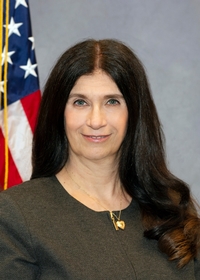
Rep. Kristine Howard
Sponsored bills
Maddy summaryThis Pennsylvania House resolution urges the U.S. Congress to pass two federal bills aimed at improving food and drug safety for people with allergies and gluten intolerance. The proposed legislation would require updated ingredient lists on packaged foods and mandate clear front-of-package labels that specifically disclose the presence of gluten-containing grains. Additionally, it would require drug labels to identify any ingredients derived from major food allergens or gluten sources, helping consumers avoid harmful substances. The resolution is based on the need to protect the approximately 23 million Americans, including many Pennsylvanians, who suffer from celiac disease or gluten intolerance.
Maddy summaryThis Pennsylvania House resolution urges the U.S. Congress to pass federal legislation that would raise the asset limits for Supplemental Security Income eligibility. Currently, individuals can only hold $2,000 in resources and couples can hold $3,000 without losing benefits, a limit that has not been adjusted for inflation since 1989. The proposed federal bill seeks to increase these limits to $10,000 for individuals and $20,000 for couples to help recipients save money and maintain financial stability. The resolution specifically calls for Congress to enact this change, noting that the current strict limits often force people to spend down their assets or face benefit termination.
Maddy summaryThis bill amends Pennsylvania's Health Care Facilities Act to change licensing requirements specifically for abortion facilities. It removes the mandate that these facilities must have transfer agreements with nearby hospitals and eliminates the requirement for physicians and medical staff working there to hold admitting privileges at a hospital. Additionally, the legislation repeals an existing state regulation related to these licensing standards. These changes directly impact how abortion clinics are regulated and the operational requirements for their medical staff.
Maddy summaryThis Pennsylvania bill updates the state's tax code to provide tax relief for victims of Nazi persecution. It specifically exempts from state personal income tax any money received as compensation for the seizure, theft, or forced conversion of income or property that occurred after May 30, 1971. The legislation also clarifies that such compensation is not considered a taxable gain from selling property. These changes apply to tax years starting on or after December 31, 2024, and take effect immediately.
Maddy summaryThis bill amends Pennsylvania's Human Services Code to update definitions related to child care and establish a new copayment system for families receiving subsidized child care. It clarifies terms such as "child care," "child-care center," and "family child-care home" to specify who is covered and under what conditions. Under the new rules, parents or caretakers must pay a portion of the child care cost based on their family's annual income, with a cap of fifteen percent. The legislation also provides special provisions for families where the parent or caretaker works as a child-care employee or a direct support professional, ensuring they remain eligible for subsidies regardless of income level while still requiring a capped copayment.
Maddy summaryThis resolution directs the Joint State Government Commission to conduct a study estimating the projected costs of climate change adaptation and resilience measures for Pennsylvania. The study will analyze potential financial impacts on public health, natural resources, built infrastructure, and social environments under different future climate scenarios. It specifically requires examining how these costs vary across different demographics and geographic areas while considering hazards like flooding, heat, and wildfires. The findings aim to help state officials better prepare for and mitigate the effects of climate-related events on the Commonwealth.
Maddy summaryThis bill designates September of each year as "International Underground Railroad Month" throughout Pennsylvania. It aims to honor the courage of freedom seekers and the individuals who assisted them in escaping slavery through a clandestine network. The legislation includes a list of historical findings that highlight the significance of the Underground Railroad and its role in the state's history. Importantly, the bill clarifies that this designation does not require employers to treat September as a paid holiday or provide special leave for employees.
Maddy summaryThis bill modifies Pennsylvania fishing and hunting laws to provide financial relief for disabled veterans and former prisoners of war. It establishes that veterans with a 100% service-connected disability rating will receive free fishing, hunting, and furtaking licenses, while those with ratings between 60% and 99% will pay a reduced fee of one dollar. To qualify, applicants must be certified by the U.S. Department of Veterans Affairs and submit proof that their disability was incurred during military service. The changes apply to resident licenses and will take effect 60 days after the bill is enacted.
Maddy summaryThis bill creates the Public Utility Credit Act to require public utilities in Pennsylvania to report customer credit information. It defines public utilities to include companies providing electricity, gas, water, transportation, and communications services, while excluding private cooperatives and certain internal building systems. The legislation mandates that these utilities maintain credit records and share them with other providers to help assess a customer's ability to pay for services. By establishing these reporting duties, the bill aims to improve credit assessment for utility accounts across the state.