

Maddy summaryThis bill amends Pennsylvania vehicle laws to establish a new road user charge specifically for electric vehicles. The new fee, set to begin on April 1, 2025, is designed to generate revenue for state roads and bridges, while also updating motorcycle inspection requirements. The legislation takes effect immediately upon approval, with most other provisions becoming active within 60 days.
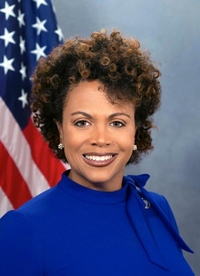
Rep. Gina Curry
Sponsored bills
Maddy summaryThis Pennsylvania House resolution designates the week of November 11 through 15, 2024, as "Pennsylvania Education for Students Experiencing Homelessness Awareness Week" and November 15, 2024, as "Red Shirt Day." The measure aims to raise public awareness about the growing number of students without adequate housing and to highlight the barriers they face in accessing education and support services. By encouraging residents to wear red on the designated day, the resolution seeks to show solidarity with unaccompanied minors and their educators while promoting community involvement in assistance programs.
Maddy summaryThis bill expands medical assistance coverage to include doula services for eligible recipients during pregnancy, labor, delivery, and for up to one year after childbirth. To oversee this expansion, the legislation requires the creation of a Doula Advisory Board composed of government officials, doula representatives, and community members to advise on best practices and address disparities in maternal health. The state must also seek federal approval or a waiver to implement these changes, with the new coverage provisions taking effect once approved. Additionally, the bill includes provisions for third-party liability and data matching to help prevent fraud and abuse within the program.
Maddy summaryThis bill updates Pennsylvania's Public School Code to require schools to notify parents when a student is diagnosed with type 1 diabetes. It mandates that schools provide education about the condition and ensures parents are informed of any medical treatments or care plans involving their child. The legislation also clarifies that these requirements apply to both public and nonpublic schools, including those that operate health units. By making these changes, the law aims to improve communication between schools and families regarding diabetes management.
Maddy summaryThis bill updates Pennsylvania laws to hold certain relatives financially responsible for the long-term care costs of indigent family members who receive state medical assistance. It specifically targets spouses, children, and parents, requiring them to pay a portion of the costs for nursing home or home-based services if they have transferred assets or failed to cooperate with the eligibility process. The legislation sets specific payment limits based on the liable relative's income and allows courts to impose jail sentences of up to six months for those who intentionally refuse to comply with support orders. Additionally, the bill clarifies definitions for courts and the Department of Human Services while removing outdated references to public welfare agencies.
Maddy summaryThis bill establishes a new state program to educate the public and healthcare providers about medication-induced movement disorders, which are neurological side effects caused by long-term use of certain mental health medications. The Department of Health will lead this initiative in collaboration with various state agencies to create screening guidelines, clinical best practices, and educational materials for doctors and facilities serving at-risk populations. The program also aims to reduce stigma surrounding these conditions by providing awareness resources for the general public and public safety officers, with all information made available online and distributed to healthcare providers.
Maddy summaryThis bill creates a pilot program to provide extra pay to child-care workers in Pennsylvania who care for infants and toddlers under the age of four. The goal is to help these centers retain staff by making their salaries more competitive with those of pre-kindergarten teachers. The Department of Public Welfare will set the specific pay amounts, which can vary by county and depend on the worker's education level, while ensuring the extra money is used only to increase wages rather than replace existing funds. The program is scheduled to run for three school years, after which the department will report results to the General Assembly to decide if it should continue.
Maddy summaryThis bill establishes the Ebony Alert System, a program operated by the Pennsylvania State Police to quickly notify the public and other agencies when specific young people of color go missing. The system is designed for individuals between the ages of 12 and 25 who are missing under suspicious circumstances, are at risk due to disabilities, or may be victims of human trafficking. When activated, law enforcement can request alerts through various media channels, while the Department of Transportation can assist with electronic signs. To fund this initiative, the bill imposes a $25 fee on individuals convicted of kidnapping offenses, with the money directed to the State Police. Additionally, the legislation prohibits unauthorized use of the alert system and sets a $5,000 penalty for violations.
Maddy summaryThis bill amends Pennsylvania's Cosmetology Law to explicitly include natural hair braiders in its licensing requirements. It mandates that individuals performing natural hair braiding must obtain a cosmetology license and work only in licensed salons, while also prohibiting the rental of booths within those establishments. The legislation clarifies that these rules apply solely to those whose business is dedicated to braiding and does not affect emergency services, medical professionals, or licensed barbers. Additionally, the bill establishes specific eligibility criteria for taking the required examination and outlines the fees and renewal processes for these new licenses.
Maddy summaryThis bill requires healthcare providers, including physicians and midwives, to offer pregnant and postpartum patients a standardized screening tool for mood and anxiety disorders in their primary language. It mandates that providers share information about available support resources with patients and, with consent, with their accompanying individuals or designated contacts. The legislation also directs the Department of Health to create a public awareness campaign about perinatal mental health and to maintain an updated list of counseling and assistance services.