

Maddy summaryHB 1089 restricts the sale and application of sealants containing high levels of polycyclic aromatic hydrocarbons (PAHs), harmful chemicals linked to health and environmental risks, primarily affecting manufacturers, contractors, and businesses selling these products. It establishes a Safer Sealant Fund to support the development of safer alternatives, requires the Department of Environmental Protection to enforce compliance, and allows municipalities to adopt stricter local rules. Violations of the restrictions incur penalties, with the bill aiming to reduce exposure to PAHs through regulatory and financial mechanisms.
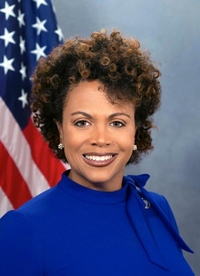
Rep. Gina Curry
Sponsored bills
Maddy summaryHB 463 prohibits "speculative ticketing," which involves buying event tickets to resell them at significantly higher prices before the event occurs. It directly affects consumers who face inflated prices and ticket sellers engaging in this practice. The bill amends the Unfair Trade Practices Law to ban buying or selling tickets for profit based on anticipated demand, not actual ownership. The bill passed the House on June 4, 2025, and is now pending review by the Consumer Protection & Professional Licensure committee.
Maddy summaryHB 1500 establishes a Cyber Charter School Funding and Policy Council to develop recommendations on funding, governance, and accountability for cyber charter schools by April 2026. The bill requires public school entities to report advertising and sponsorship spending annually, and mandates detailed cost-tracking for special education services based on individualized student plans. It also adds provisions for student wellness checks, enrollment notifications, and fund balance limits for cyber charter schools, while maintaining a moratorium on new cyber charter school approvals. The law directly affects cyber charter schools, public school districts, and students with disabilities in Pennsylvania.
Maddy summaryThis is a procedural resolution (HR 67), not a law with binding requirements. It formally designates May 2025 as "Mental Health Awareness Month" in Pennsylvania for commemorative purposes. The resolution directly affects Pennsylvania residents by encouraging public awareness efforts during that month. The bill was referred to the Health committee, reported as committed, but was laid on the table (stalled) under House Rule 71 on June 4, 2025, preventing further action.
Maddy summaryThis resolution designates June 23, 2025, as "Widows' and Widowers' Day" in Pennsylvania to honor bereaved spouses. It is a symbolic, commemorative measure with no policy changes, funding, or direct impact on laws or regulations. The bill was referred to the Health Committee, reported as committed, and later laid on the table (not advanced) by the House on June 4, 2025. It does not affect any specific individuals or groups beyond recognizing the day for awareness.
Maddy summaryHB 1550 would allow Pennsylvania inmates to receive parole based on advanced age or serious medical conditions. It would amend state law to create two new pathways for parole eligibility under specific circumstances, changing the current criteria used by the Board of Probation and Parole. The bill directly affects incarcerated individuals who meet these age or medical criteria, rather than the general public. The key mechanism is updating statutory language to expand the board's authority to grant parole in these cases.
Maddy summaryHB 960 creates a process for commercial drivers in Pennsylvania with lifetime disqualification to potentially regain their licenses after meeting specific requirements. To apply, drivers must complete a state-approved rehabilitation program (if disqualified for DUI/DWI), finish a driver improvement course, pay fees, provide proof of citizenship or residency, and wait at least 10 years since their disqualification. The bill also lists serious offenses - like drug trafficking, causing fatalities, or multiple DUIs - that permanently block reinstatement. Pennsylvania’s Department of Transportation will review applications within 30 days, with eligibility strictly tied to avoiding recent violations of traffic or safety laws.
Maddy summaryHB 1140 requires health insurers and Medicaid/CHIP managed care plans in Pennsylvania to cover all FDA-approved contraceptives - including prescription drugs, devices, emergency contraception (like levonorgestrel), and oral contraceptives - without any out-of-pocket costs for enrollees. It specifically prohibits prior authorization or step therapy for emergency and oral contraceptives, and mandates coverage for sterilization procedures and related services like counseling. The bill directly affects health insurers, managed care plans, and their enrollees by expanding contraceptive coverage under state insurance regulations. It exempts male condoms from coverage requirements but ensures no cost-sharing for covered contraceptive methods.
Maddy summaryHB 180 replaces Pennsylvania’s existing school lunch and breakfast reimbursement system with a new Universal School Meal Program, ensuring all public school students in the state can receive free meals regardless of family income or unpaid meal debt. The bill requires school districts to provide meals to any student who requests one (unless parents specifically withhold consent in writing) and prohibits schools from stigmatizing students with meal debt through wristbands, public identification, or denying activities like sports or graduation. It bans collecting fees, interest, or using collections agencies for unpaid meal costs, and mandates schools help families apply for assistance instead of pursuing debt. This directly affects over 1.5 million Pennsylvania public school students and their school districts, shifting from a means-tested system to universal access.
Maddy summaryHB 1520 amends Pennsylvania's Public School Code to establish new rules for college athletics. It directly affects public universities, student-athletes, and athletic agents by creating specific regulations around Name, Image, and Likeness (NIL) agreements and athlete representation. Key provisions include setting standards for how institutions handle NIL deals, governing the conduct of athlete agents, and clarifying rules for upfront payments to athletes. The bill also outlines procedures for resolving disputes and protects athletes' rights to pursue legal action if agreements are violated. These changes aim to create a clearer, more structured framework for intercollegiate sports operations within Pennsylvania.