

Maddy summaryHB 2218 amends Pennsylvania's Public School Code to require all school entities (including districts, charter schools, cyber charters, and career schools) to develop and implement a written comprehensive school counseling plan. The bill mandates that each plan, created by certified school counselors, must include annual reviews, K-12 systemic alignment, grade-level and building-specific strategies, and integration with existing student services plans. Key provisions define "direct services" (like individual counseling and classroom instruction) and "indirect services" (such as parent consultations), requiring plans to guide students in academic, career, and social-emotional development. The law establishes specific components for the plan - foundation, management, delivery, and accountability - without specifying funding or new programs.
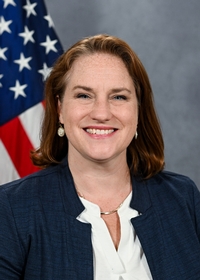
Rep. Heather Boyd
Sponsored bills
Maddy summaryHB 2246 would require large data centers in Pennsylvania to report water usage and undergo environmental reviews before construction. It mandates pre-application notification to the Department of Environmental Protection (DEP), including detailed water use estimates, source assessments, and proof that withdrawals won’t harm other water users or water quality. The bill adds new permit conditions under the Clean Streams Law, requiring data centers to implement water conservation measures like closed-loop systems and water recycling. These provisions apply specifically to "covered data centers" (large facilities with significant water needs) and aim to protect local water resources while enabling data center development.
Maddy summaryThis bill requires health insurance policies and government programs in Pennsylvania to cover behavioral health services for children involved in the juvenile justice system. It mandates that insurers provide funding for screenings, assessments, and treatments related to mental health conditions and substance use disorders during specific legal proceedings, such as mandatory intake conferences and informal adjustments. The legislation also establishes clear definitions for terms like "behavioral health provider" and "screening" to ensure consistent application of these coverage requirements. By integrating mental health support into the juvenile justice process, the bill aims to address the needs of youth facing delinquency charges while maintaining a neutral focus on policy implementation.
Maddy summaryThis bill creates a new licensing category called the "Philadelphia 250 Permit" for alcohol establishments in Philadelphia and other municipalities that choose to participate. To qualify, businesses such as restaurants and breweries must pay a $500 fee, complete a specific nighttime safety training program, and have their application details posted online. Local governments have the authority to object to individual permit applications, and the state board can revoke a permit immediately if a business operates outside its approved scope. The legislation establishes these rules within the existing Liquor Code and allows participating cities to adopt ordinances to enable the program.
Maddy summaryThis bill proposes allowing Pennsylvania to pay for special personal care services provided by a family member to a recipient of Medical Assistance. To make this possible, the state would need to request permission from the federal Centers for Medicare and Medicaid Services to cover these costs. The law specifies that the state cannot begin paying for these services until it receives approval from the federal government. The changes would take effect 180 days after the bill is signed into law.
Maddy summaryThis bill strengthens Pennsylvania's existing hazardous waste laws by creating a new chapter focused on immediate spill response and protecting residential areas. It defines hazardous substances to include petroleum products and other dangerous materials, then imposes strict liability on responsible parties to immediately contain and clean up any discharge that threatens public health or the environment. The Department of Environmental Protection gains expanded authority to issue directives, enter private property, and recover cleanup costs from those who cause spills, ensuring rapid action in residential communities.
Maddy summaryHB 237 expands Pennsylvania's death benefits for first responders' families to include cases where a firefighter, officer, or emergency worker dies from mental health conditions linked to on-duty trauma. It creates a legal presumption of line-of-duty death if the person died while influenced by a diagnosed psychiatric disorder from traumatic events (like crime scenes or mass casualties) or within 45 days of such exposure with an undiagnosed condition. The bill adds specific definitions for "personal injury sustained in the line of duty" to include PTSD and related disorders, and clarifies that traumatic events cover incidents involving serious injury, minors, or life threats. Benefits apply retroactively to deaths occurring on or after January 1, 2019, regardless of when the trauma happened.
Maddy summaryHB 99 amends Pennsylvania criminal law to change sentencing for murder (including murder of an unborn child or law enforcement officer), clarify arson and property destruction offenses, and update appellate procedures. It establishes direct appeals from common pleas courts for certain cases, adds requirements for postconviction DNA testing, and removes outdated procedures for execution warrants. The bill directly affects courts, prosecutors, defense attorneys, and individuals convicted of crimes covered under the amended statutes. These changes aim to standardize sentencing and legal processes without altering current penalties or introducing new criminal charges.
Maddy summaryHB 2151 requires Pennsylvania's Center for Local Government Services to create a model zoning ordinance for data centers within six months. The model must include specific rules like building size limits, minimum distances from residential areas, landscape buffers, noise restrictions, and requirements for water/energy use. This helps local governments (townships, boroughs, cities) regulate data center development to address community concerns. Municipalities can request the Center's assistance when updating zoning rules for data centers, and the model must be updated annually.
Maddy summaryHB 2150 requires data centers in Pennsylvania to annually report their energy and water usage, including monthly consumption, energy sources, water sources, efficiency measures, and waste heat recovery, starting July 1, 2027. Data centers must submit detailed reports to the Department of Environmental Protection, covering specifics like peak energy use, water for cooling, and future projections. Non-compliant data centers face daily penalties of $10,000 until reports are submitted, with collected fines funding low-income energy assistance programs. The Department will publish an annual summary of consumption trends and environmental impacts for public and legislative review.