

Maddy summaryHB 463 prohibits "speculative ticketing," which involves buying event tickets to resell them at significantly higher prices before the event occurs. It directly affects consumers who face inflated prices and ticket sellers engaging in this practice. The bill amends the Unfair Trade Practices Law to ban buying or selling tickets for profit based on anticipated demand, not actual ownership. The bill passed the House on June 4, 2025, and is now pending review by the Consumer Protection & Professional Licensure committee.
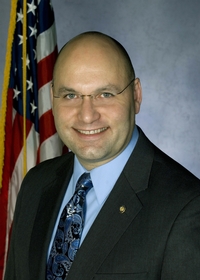
Rep. Rob Matzie
Sponsored bills
Maddy summaryHB 1510 amends Pennsylvania's transportation laws to establish a structured framework for sustainable mobility programs, directly affecting state transportation agencies and organizations receiving state funds for projects like bike lanes, pedestrian infrastructure, or electric vehicle charging networks. Key provisions define sustainable mobility, streamline funding applications and approvals, clarify federal funding coordination, and create separate programs for asset improvements, new initiatives, and statewide projects. The bill also sets a small purchase threshold for simpler project approvals and removes outdated rules about evaluating private investment opportunities. These changes aim to standardize how the state manages and funds non-traditional transportation infrastructure.
Maddy summaryHB 504, the Community Energy Act, establishes a framework for third-party-owned community energy projects (like solar gardens) in Pennsylvania. It requires electric distribution companies to connect these facilities, provides bill credits to subscribers (homeowners, renters, and businesses) for energy generated, and ensures guaranteed savings by linking subscription payments to bill reductions. Key provisions include setting size limits (max 5,000 kW for most facilities), mandating that at least 50% of subscriptions come from small users or farms, and requiring fair wages for construction workers. The bill directly affects electric companies (with new connection duties), community energy organizations (as owners/operators), and subscribers (who gain access to shared renewable energy).
Maddy summaryHB 500 repeals existing tax credit provisions for local resource manufacturing (petrochemicals/fertilizers) and Pennsylvania milk processing, while creating new tax credits for clean energy and advanced manufacturing sectors. It establishes tax credits for reliable energy investments, regional clean hydrogen hubs, semiconductor manufacturing, biomedical research, geothermal energy, and sustainable aviation fuel. Eligible businesses must meet specific criteria for capital investment, job creation, and project location to apply for these credits through the Department of Revenue. The bill also updates definitions and application processes for these new credits, with annual funding limits and rules for credit usage.
Maddy summaryHB 433 requires health insurance plans to cover mammograms and breast imaging services without cost-sharing (like copays or deductibles) for policyholders. It directly affects women needing preventive breast cancer screenings and the insurance companies providing health coverage. The bill amends Pennsylvania’s 1921 Insurance Company Law to mandate this coverage for mammographic examinations and breast imaging under casualty insurance policies. This policy change ensures these essential preventive services are fully covered at no additional cost to patients.
Maddy summaryHB 81 prohibits businesses from charging consumers extra fees for paying by mail or choosing paper billing statements. It directly affects consumers who use these payment methods and businesses that currently impose such fees. The law bans additional charges or rate differentials for mail or paper billing but allows businesses to offer incentives (like discounts) for electronic payment or billing options. This amendment to Pennsylvania's Unfair Trade Practices and Consumer Protection Law takes effect in 60 days.
Maddy summaryThis resolution (HR 187) is a ceremonial recognition, not a policy change. It formally designates May 10, 2025, as "National Train Day" in Pennsylvania to honor the historical significance of rail travel. The resolution encourages Pennsylvania residents to learn about train history and the benefits of rail transportation, such as reducing road congestion and supporting environmental goals. It does not create new laws, impose requirements, or directly affect specific groups.
Maddy summaryHB 308 establishes new workplace health and safety standards specifically for public employees in Pennsylvania, including those working for the Commonwealth, counties, cities, schools, and public institutions. It creates the Pennsylvania Occupational Safety and Health Review Board, grants the Secretary of Labor new enforcement powers for workplace inspections, and requires public employers to meet safety standards comparable to those in the private sector under federal OSHA. The bill imposes penalties for violations, prohibits employer retaliation against employees reporting safety concerns, and mandates recordkeeping and reporting procedures. This legislation directly affects all public employees across Pennsylvania who previously lacked consistent state-level safety protections.
Maddy summaryThis resolution designates April 2025 as "Community College Month" in Pennsylvania to recognize community colleges' role in the state's education and economy. It highlights that community colleges serve over 240,000 students - many from low-income or minority backgrounds - provide affordable pathways to degrees, and partner with over 2,000 employers to train workers for high-demand jobs like nursing and truck driving. The designation is ceremonial and does not create new laws or funding.
Maddy summaryHR 34 is a symbolic resolution designating April 2025 as "Pennsylvania 8-1-1 Safe Digging Month." It encourages excavators and homeowners to call 8-1-1 (or 1-800-242-1776) before digging to locate underground utility lines, as required by Pennsylvania's One Call Act. The resolution highlights the Pennsylvania One Call System's role in preventing injuries, environmental damage, and utility disruptions, noting it handles over 1 million annual requests. It does not create new laws or funding but promotes existing safety practices through public awareness.