

Maddy summaryThis resolution designates the week of October 5-11, 2025, as "Healthy Vision Week" in Pennsylvania. It is a symbolic measure to raise public awareness about eye health and vision care, without creating new laws or regulations. The bill does not directly affect individuals or organizations, as it serves only to recognize and promote vision health awareness during that specific week. It is a non-binding resolution, meaning it has no legal force or enforcement mechanism.
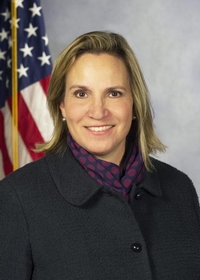
Rep. Christina Sappey
Sponsored bills
Maddy summaryHB 2079 establishes a program to reimburse eligible entities - such as school districts, counties, human services providers, Pre-K programs, and Head Start providers - for documented financing costs or lost interest income caused by delays in passing the state budget (defined as the period from July 1, 2025, until the 2025-2026 budget takes effect). The program is funded primarily by "impasse-generated interest" (interest earned from delayed state spending during the budget impasse), with the legislature providing additional funds if needed. The Office of the Budget will administer the program, including processing applications and reporting annually on reimbursements, funding sources, and recipient details.
Maddy summaryThis bill reduces the percentage of interactive gaming tax revenue allocated to public projects from 25% to 22%, directing the remaining 22% to a special account for public interest grants across Pennsylvania. It maintains the existing 3% allocation for the Race Horse Development Trust Fund, which supports licensed racetracks conducting live racing. The change directly affects interactive gaming operators (who pay the tax) and state funding streams for public projects and horse racing. The policy modifies how tax revenue is distributed but does not alter the tax rate itself. The bill takes effect 60 days after enactment.
Maddy summaryThis resolution condemns any threats of political violence against elected officials, specifically referencing recent public statements interpreted as threatening lawmakers who uphold constitutional duties. It reaffirms that military personnel must refuse unlawful orders under the Uniform Code of Military Justice (UCMJ), citing Articles 90-92 and the Nuremberg Principles. The resolution has no legal effect but symbolically urges compliance with the UCMJ and rejects intimidation tactics targeting representatives. It directs copies to the President, Defense Secretary, and Pennsylvania's congressional delegation. As a symbolic statement, it does not alter laws or directly affect any group beyond expressing legislative concern.
Maddy summaryHB 1787 amends Pennsylvania laws governing financial reporting for boroughs and cities. It requires local elected officials to complete, file, and publish annual auditor's reports and financial statements, and mandates that these reports be submitted to the Department of Community and Economic Development. The bill also establishes penalties for failure to meet these reporting deadlines. These changes directly affect borough and city governments across Pennsylvania by increasing transparency requirements for their financial operations.
Maddy summaryHB 1720 amends Pennsylvania's Second Class Township Code to update requirements for financial reporting by townships. It directly affects Second Class townships by specifying how they must complete, file, and publish their annual financial statements and reports. The bill establishes clearer procedures for township auditors and accountants to ensure timely and standardized financial disclosures. This change aims to improve transparency and accountability in local government finances without altering tax rates or funding levels.
Maddy summaryHB 1664 establishes a state grant program and a dedicated fund to provide financial assistance for renovating or redeveloping older buildings. The Older Building Redevelopment Assistance Grant Program would offer grants to property owners and developers to update aging commercial or residential structures, with funding sourced from the newly created Older Building Redevelopment Fund. This bill directly affects owners of older buildings seeking to redevelop properties that may lack modern infrastructure. The program aims to support local revitalization efforts through state-funded grants, though the bill remains pending after being laid on the table.
Maddy summaryHB 1836 reorganizes Pennsylvania's township classification system by consolidating the existing "First Class Township Code" into a single, clear section of state law. It establishes that a township qualifies as "first class" only if it has a population density of at least 300 people per square mile (using U.S. Census data), and specifies how second-class townships can transition to first-class status through a voter-approved process. The bill requires townships seeking to change classification to submit a resolution with population data to voters at a general election, with the change taking effect January 1 after a majority vote. This directly affects townships that meet the population density threshold and wish to adopt first-class governance structures. The law updates procedural requirements but does not create new services or funding.
Maddy summaryHB 2058 would amend Pennsylvania's Controlled Substance, Drug, Device and Cosmetic Act to establish a regulatory framework for kratom. This bill would directly affect businesses selling kratom products and consumers who use it by subjecting kratom to new state regulations. Key provisions would include setting product safety standards, labeling requirements, and distribution rules for kratom under the existing drug regulation system. The bill aims to bring kratom under the state's formal regulatory structure without banning its use.
Maddy summaryHB 1777 amends Pennsylvania laws governing local governments (Titles 35 and 53) to update administrative procedures. It allows municipalities to hold emergency meetings via video call, clarifies rules for temporary leadership during emergencies (like filling vacant local offices), and removes outdated requirements about how local services are established. The bill directly affects county and municipal governments by changing how they conduct meetings and manage leadership succession during crises. It focuses on procedural updates rather than new policies or funding.