

Maddy summaryThis bill prohibits Pennsylvania State Police from stopping, detaining, or questioning individuals based solely on immigration status, except when necessary for unrelated criminal investigations. It bans prolonging detention due to immigration status or conducting immigration checks without a prior criminal arrest. Police must share immigration detainer information with federal authorities only if discovered during lawful detention for unrelated matters. The law directly affects all individuals interacting with Pennsylvania State Police, limiting state involvement in federal immigration enforcement.
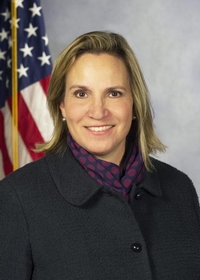
Rep. Christina Sappey
Sponsored bills
Maddy summaryThis resolution formally recognizes January 27, 2026, as "International Holocaust Remembrance Day" within Pennsylvania. It does not create new laws or affect specific groups; it is a ceremonial observance acknowledging the historical significance of the Holocaust and the UN-established date. The resolution cites the liberation of Auschwitz-Birkenau on January 27, 1945, and the UN's 2005 designation of this date for global remembrance. Pennsylvania's recognition aligns with the UN resolution's purpose of honoring Holocaust victims and promoting human rights education.
Maddy summaryHB 1704 updates Pennsylvania's real estate law by requiring sellers to provide a new standardized disclosure form to buyers, including specific information about flood risks. It mandates that the Insurance Department create and maintain a website with flood zone data to help buyers understand property risks. The bill also clarifies definitions related to residential property and imposes new duties on the Insurance Department to manage flood disclosure information. These changes directly affect home sellers, buyers, and the Insurance Department in Pennsylvania.
Maddy summaryThis bill amends Pennsylvania's Human Relations Act to allow individuals who have been subject to or witnessed civil rights violations by U.S. Immigration and Customs Enforcement (ICE) agents or cooperating federal/state/local law enforcement during immigration enforcement to file complaints with the Pennsylvania Human Relations Commission. The Commission can then refer these complaints to the state Attorney General or the relevant county district attorney. It directly affects Pennsylvanians experiencing or witnessing such violations within the state. The change expands the Commission's authority to address immigration-related enforcement issues under state law.
Maddy summaryHB 2143 requires the Pennsylvania State Police to maintain a public online list of individuals convicted of animal abuse offenses against companion animals (dogs or cats). The list includes a photo from booking, full name, and other necessary identifying information (but excludes Social Security numbers or driver's license details) for two years after a first conviction or five years after a repeat conviction. Courts must send conviction details to the State Police within 60 days, and the list is automatically updated if a conviction is expunged. This policy directly affects people convicted under Pennsylvania’s cruelty to animals law (18 Pa.C.S. §55), making their records publicly accessible for a defined period.
Maddy summaryHB 2134 amends Pennsylvania's emergency services laws to update grant programs for fire companies and emergency medical services (EMS) providers. It creates a new "Fire Department Identification Number" (FDID) system requiring the State Fire Commissioner to assign unique five-character codes to fire departments, hazardous materials teams, and specialty teams. The bill repeals outdated COVID-19 emergency grant programs and establishes new funding streams for hazardous materials teams, specialty teams, and standard fire/EMS company grants, while clarifying how funds are allocated and requiring annual reports. These changes directly affect fire companies, EMS providers, and the State Fire Commissioner's office by modernizing administrative processes and funding mechanisms.
Maddy summaryHB 2116 amends Pennsylvania's Taxpayer Relief Act to provide additional property tax relief for low-income senior citizens. It creates a 50% supplemental rebate on top of existing property tax rebates for seniors with household income ≤ $30,000 who live in cities other than first-class cities (e.g., Philadelphia), school districts, or second-class A cities. The bill changes income calculation by allowing property taxes paid on primary residences to reduce taxable income, and updates rebate schedules with annual inflation adjustments based on the Consumer Price Index. These changes directly affect seniors aged 65+ with low fixed incomes who qualify for base property tax or rent rebates.
Maddy summaryHB 505 proposes restructuring how electricity companies operate in Pennsylvania by amending the state's public utilities code. It requires electric utilities to implement new energy efficiency and conservation programs for customers, directly affecting both utility companies and residential/commercial electricity users. Key provisions include mandating specific energy-saving measures and updating how utility programs are funded and administered. The bill aims to modernize the electric industry framework while expanding access to efficiency resources for consumers.
Maddy summaryHB 1651 amends Pennsylvania's Second Class Township Code to clarify procedures for filling vacancies on township boards of supervisors. It requires the board to fill vacancies within 30 days, or else a "vacancy board" (composed of the full board plus one appointed township elector) must act within 15 additional days. If the vacancy board fails to fill the position within 15 days, or if the chairperson position is vacant and justification is provided, the board must petition the court of common pleas to resolve the vacancy. This directly affects second-class townships by streamlining how unexpired supervisor terms are filled, ensuring timely representation.
Maddy summaryHR 323 is a symbolic resolution designating October 2025 and October 2026 as "National Animal Safety and Protection Month" within Pennsylvania. It does not create new laws, impose requirements, or directly affect individuals or organizations. The resolution serves only to recognize and promote awareness of animal safety and protection efforts during those specific months. This is a ceremonial measure with no binding policy impact.