

Maddy summaryThis Pennsylvania House resolution urges the U.S. President and Congress to reevaluate their foreign policy toward Ethiopia due to concerns over the country's shift toward authoritarian rule and ethnic-based violence. The bill highlights specific issues such as the suppression of democratic institutions, human rights abuses, and the persecution of minorities, calling for increased U.S. attention to these conditions. It does not alter any laws or funding but serves as a formal recommendation to federal leaders to prioritize human rights and democratic development in their diplomatic approach to Ethiopia.
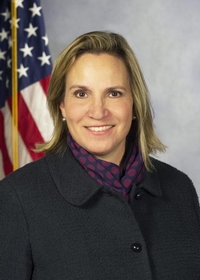
Rep. Christina Sappey
Sponsored bills
Maddy summaryThis bill updates Pennsylvania election laws to allow the use of electronic poll books and establishes a funding mechanism through bonds to purchase election infrastructure equipment. It requires county election boards to adopt these digital systems for early voting locations and half of all polling places on election day starting in 2025, with full implementation across all precincts by 2026. The legislation mandates that these devices must securely connect to the statewide voter registration system, track voter participation in real-time, and maintain paper backups in case of technical failures. Additionally, the bill introduces same-day voter registration options on election day and during early voting periods while removing previous rules regarding voter registration transfers and party enrollment changes.
Maddy summaryThis bill directs Pennsylvania's Department of Health to conduct a study on how smartphone use affects children's health and development. The legislation is based on concerns that early phone ownership and increased social media access may contribute to mental health issues and disrupted sleep patterns in young people. If completed, the study must result in a public report, recommendations for parents, and guidelines for pediatricians to share with families within one year.
Maddy summaryThis bill establishes minimum energy and water efficiency standards for a specific list of products sold or installed in Pennsylvania, including commercial kitchen equipment, lighting, and plumbing fixtures. It requires that these items meet performance benchmarks to reduce utility waste, lower costs for consumers and businesses, and decrease strain on energy and water infrastructure. The legislation mandates testing, certification, and labeling for compliance while imposing penalties for violations, though it excludes products manufactured in-state for out-of-state sale and those designed for recreational vehicles.
Maddy summaryThis bill amends the Water Services Act to clarify how municipal authorities approve certain actions. It specifically adjusts the language regarding which cities are subject to these approval requirements by modifying references to city classifications. The changes involve technical edits to the text to ensure accurate definitions and procedural rules for municipal oversight.
Maddy summaryThis bill amends Pennsylvania's Equal Pay Law to broaden protections against wage discrimination based on sex, race, or ethnicity by expanding the definition of comparable work to include similar working conditions such as exposure to hazards or extreme temperatures. It explicitly prohibits employers from asking job applicants about their prior salary history or requiring them to refrain from discussing their own or others' wages, while still allowing employers to consider voluntarily provided wage information if it supports a higher offer. The legislation also clarifies that job titles alone cannot determine if two roles are comparable and restricts the use of factors like seniority or merit systems if they result in illegal pay gaps without legitimate business justification. Additionally, the bill establishes an Equal Pay Enforcement Fund to support the collection of unpaid wages and outlines specific penalties for violations of these updated rules.
Maddy summaryThis bill amends Pennsylvania laws to replace the existing Abortion Control Act with a new framework that reorganizes abortion-related offenses under a chapter titled "Reproductive Offenses." It removes previous requirements for informed consent, parental consent, and spousal notification while also eliminating penalties for physicians who perform abortions on fetuses of 24 weeks or more gestational age. The legislation further repeals restrictions on fetal experimentation and changes how insurance regulations are handled regarding abortion services, aiming to provide a clearer legal structure for reproductive health care in the state.
Maddy summaryThis bill authorizes Pennsylvania to join the Counseling Compact, a national agreement designed to allow licensed professional counselors to practice across state lines without needing separate licenses in each state. Under the compact, a counselor's ability to work in another member state would depend on their primary home state license, while still maintaining the authority of each state to regulate practice and protect public safety. The legislation includes specific provisions to share information about disciplinary actions and investigations among states, supports military families by easing licensure barriers for spouses, and promotes the use of telehealth services. By adopting this compact, Pennsylvania aims to increase access to counseling services and streamline the regulatory process for counselors working in multiple jurisdictions.
Maddy summaryThis Pennsylvania House Resolution officially recognizes March 8, 2024, as International Women's Day within the state. The measure aims to honor the diverse accomplishments and aspirations of women by encouraging residents to participate in related events and activities. It highlights the significant contributions of women in various fields, including government, science, and the arts, while specifically noting the increased number of women in Pennsylvania's legislative leadership roles.
Maddy summaryThis bill updates the rules for selling and using high-PAH sealants, which are used in roofing and waterproofing projects, by setting a sales ban effective January 1, 2025, and an application ban starting January 1, 2026. It allows local governments to create their own laws to enforce these restrictions, provided they are at least as strict as a model ordinance that the state Department of Environmental Protection will draft. The bill also changes how fines are handled, permitting municipalities to collect and keep penalties for violations of their local rules rather than sending them to the state department. Additionally, it establishes a Safer Sealant Fund to manage money collected from these penalties.