

Maddy summaryHB 50 amends Pennsylvania's Water Services Act by updating the definitions of "authority" and "city" to clarify which entities are subject to the law. It specifies that an "authority" must provide water or sewer services to at least 50% more residents outside a city's boundaries than inside, and defines "city" as a city of the third class with a population of 30,000 or less. These changes help determine which municipal authorities and cities must follow the Act's requirements for water and sewer service approvals. The bill does not alter existing service rules but ensures the law applies consistently to relevant entities.
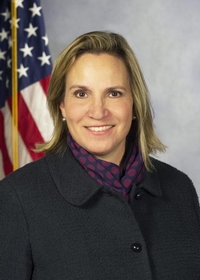
Rep. Christina Sappey
Sponsored bills
Maddy summaryHB 66 creates a Pennsylvania program providing $5,000 semester stipends to residents enrolled in accredited Master of Social Work (MSW) programs with a 3.0+ GPA. It directly affects students pursuing social work careers by funding their education through paid internships. The program requires internships at state-approved facilities to meet clinical training and licensing requirements, with stipends adjusted annually for inflation. Funding is contingent on available state budget resources, administered by the Department of Human Services.
Maddy summaryHB 26 removes Pennsylvania’s existing abortion statutes (including the "Abortion Control Act" and its restrictions like parental consent, spousal notice, and gestational limits) and replaces them with a new framework focused on "reproductive rights." It repeals specific provisions related to medical consultation, informed consent, facility requirements, and reporting, while adding language affirming reproductive rights for patients and providers. The bill also eliminates references to federal healthcare compliance for insurers and updates terminology, changing the chapter heading from "Abortion" to "Reproductive Offenses." This bill directly affects all abortion providers, patients, and public health systems in Pennsylvania by fundamentally restructuring the legal landscape governing abortion access.
Maddy summaryThis bill strengthens Pennsylvania's protection from abuse laws by expanding the types of relief courts can grant and clarifying procedures for emergency situations. It allows final protection orders to explicitly include provisions protecting companion animals from abuse, harassment, or relocation, and grants courts the authority to order temporary ownership of these animals during disputes. The legislation also enables hearing officers in certain counties to issue immediate emergency relief when regular courts are unavailable, ensuring faster protection for victims in urgent circumstances. Additionally, the bill clarifies that police officers can make warrantless arrests for violating protection orders based on probable cause, even if the violation is not witnessed directly by the officer. These changes aim to provide more comprehensive and timely safety measures for individuals and their pets facing domestic abuse.
Maddy summaryThis bill allows Pennsylvania second-class townships to hire certified public accountants to perform financial audits instead of relying solely on elected auditors. Under the new rules, a board of supervisors can appoint an accountant if at least 25 taxpayers request it, or the board can choose to hire one on its own after public notice is given in a newspaper. The hired accountant would have the same powers as the board of auditors to review accounts, except they cannot set their own pay and must follow standard auditing practices. Additionally, the law permits townships to contract with independent accountants to meet federal or state reporting requirements separately from the regular audit process.
Maddy summaryThis Pennsylvania law updates the rules for filling empty seats on township commission boards to ensure positions are filled promptly. If a township board fails to appoint a replacement within 30 days, a temporary "vacancy board" must be formed within the next 15 days to make the appointment, consisting of the original commissioners and one local voter who chairs the group but cannot vote for themselves. If this temporary board also fails to act or if most commissioner seats are vacant at once, the matter moves to a county court where a judge appoints a replacement based on a petition from remaining officials or local voters. The changes take effect 60 days after the law is signed.
Maddy summaryThis bill updates the composition of the State Planning Board by replacing the previous appointment structure with a new system involving legislative leadership. Under the proposed changes, the board would include fifteen members appointed by the Governor, six ex officio members from various state departments, and four members appointed by the Senate and House leaders. The four legislative appointees would be selected by the Majority and Minority Leaders of both the Senate and the House of Representatives, ensuring representation from different political parties. This amendment aims to reorganize how the board is formed to better reflect the interests of the state's legislative branches.
Maddy summaryThis bill modifies Pennsylvania's Election Code to clarify rules for primary elections, specifically regarding who can vote and how unaffiliated voters participate. It establishes that only voters registered with a political party can normally vote in that party's primary or hold party offices, while also creating a new process for unenrolled electors to temporarily join a party to cast a single primary ballot. The legislation defines "unenrolled electors," outlines procedures for them to select a party at the polls, and updates requirements for absentee and mail-in voting applications. Additionally, it clarifies how election returns are computed and certified by county boards and adjusts penalties for election officers who improperly deny a voter access to their preferred party's primary.
Maddy summaryThis bill proposes a constitutional amendment to prevent local taxing authorities in Pennsylvania from raising their property tax millage rates to fund special real property tax provisions. The change directly affects local governments and property owners by restricting how these entities can adjust tax rates for specific property-related programs. By inserting a new clause into the existing text, the legislation ensures that any special tax provisions cannot be financed through an increase in the standard property tax rate. This measure aims to limit the ability of local officials to modify tax structures for these specific purposes without additional legislative approval.
Maddy summaryThis Pennsylvania bill updates a 19th-century law to allow county recorders of deeds to officially file discharge papers for honorably discharged military personnel. The legislation defines "discharge" to include various forms of separation documents, such as DD Form 214, for individuals who served in the U.S. armed forces or reserve components. Under the new rules, recorders may charge a fifty-cent fee for recording these documents, but the records must remain confidential and only accessible to the veteran, their family, or specific government and judicial entities. Additionally, the bill repeals the original 1868 statute while ensuring that any ongoing administrative actions under the old law can continue under the new framework.