

Maddy summaryHB 1174 amends Pennsylvania law governing meetings for condominiums, cooperatives, and planned communities. It requires annual meetings to be scheduled with at least 21 days' notice (previously 10-60 days) and mandates written consent for electronic meeting notices. The bill also requires pre-election sessions for board candidates if more candidates apply than positions available, and allows meetings to be recorded with advance announcement, with recordings kept for six months. These changes directly affect all community associations and their unit owners by standardizing meeting procedures and enhancing transparency.
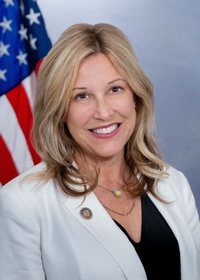
Rep. Melissa Shusterman
Sponsored bills
Maddy summaryThis bill authorizes Pennsylvania to join the National Popular Vote Interstate Compact, an agreement where participating states award their electoral votes to the candidate who wins the national popular vote. If the compact reaches 270 electoral votes (a majority), Pennsylvania would allocate its electoral votes to the national popular vote winner instead of the candidate who wins Pennsylvania's popular vote. The bill requires Pennsylvania to continue holding its usual statewide popular election for president, but the state's electors would be appointed based on the aggregated national vote totals across all compact states. This change would only take effect once the compact is operational with enough states to control a majority of electoral votes.
Maddy summaryHB 1183 amends Pennsylvania's Tax Reform Code to exempt adoption fees charged by qualifying nonprofit animal shelters from sales tax. The bill specifically excludes fees paid to nonprofit "releasing agencies" (as defined by Pennsylvania's Dog Law) that do not charge more than the actual costs of caring for the animal. This change directly affects nonprofit shelters meeting both criteria: (1) being a registered releasing agency under the Dog Law, and (2) charging fees covering only care expenses. The tax exclusion takes effect 60 days after enactment.
Maddy summaryThis Pennsylvania House Resolution (HR 50) symbolically designates March 25, 2025, as "Greek Independence Day" within the state. It does not create new laws or affect any policies, programs, or individuals. The resolution honors Greek heritage and historical ties between Greece and the U.S., referencing Greek-American contributions to Pennsylvania's culture and history. As a commemorative gesture, it has no binding effect or practical impact on residents or government operations.
Maddy summaryHB 1046 establishes the Pennsylvania Poet Laureate position and a nomination committee to select the appointee. The Governor appoints the Poet Laureate from a shortlist of three nominees provided by the committee (which includes education, arts, and humanities representatives), with the Laureate serving a two-year term and performing ceremonial duties like reading poems at the Governor's inauguration and legislative sessions, all without pay but with travel expenses reimbursed. This bill directly affects Pennsylvania residents by creating a state position to promote poetry and literary arts through official events.
Maddy summaryHB 322 requires Pennsylvania utility companies to include clear instructions for customers to submit comments on proposed rate changes or system acquisitions. Specifically, utility notices must detail how to comment via mail, email, or a publicly accessible website. This affects all residential and business customers who receive utility billing notices. The bill changes the process for customer feedback but does not alter rate decisions or service terms. It takes effect 60 days after enactment.
Maddy summaryHB 1155 establishes a legal framework for community solar programs in Pennsylvania, allowing multiple subscribers (including renters and low-income households) to share ownership of solar facilities and receive bill credits for the electricity generated. The bill requires electric distribution companies to implement these programs, mandates prevailing wage standards for solar installation workers, and sets protections to ensure subscribers receive guaranteed savings. It directly affects utility companies, community solar organizations, and subscribers - particularly those who cannot install rooftop solar due to housing constraints or income limits. Key provisions include preventing single subscribers from owning over 50% of a facility, requiring at least 50% of capacity to serve small subscriptions (25 kW or less), and ensuring ratepayer costs are managed responsibly.
Maddy summaryHB 109 creates a new permit review process for specific industrial facilities in Pennsylvania's designated "environmental justice areas" - communities with high pollution burdens and vulnerable populations (low-income, communities of color). It requires the Department of Environmental Protection to consider cumulative environmental and public health impacts when reviewing permits for facilities like large wastewater plants (50,000+ gal/day), major air polluters, waste sites (25+ tons/month), mining operations, and certain landfills. The bill mandates that permits in these areas must address disproportionate environmental impacts, as defined by demographic, economic, health, and environmental data. This directly affects developers and operators of industrial facilities seeking new or expanded permits in designated communities.
Maddy summaryHB 1107 establishes Pennsylvania's Adult-use Cannabis Program, legalizing cannabis for personal use by residents aged 21 and older. The bill creates a permit system for "farmer-growers" to cultivate, process, and dispense cannabis under strict rules, including limits on facility size (max 10 acres), security requirements, and regional zoning considerations. It requires farmer-growers to maintain inventory tracking, report operational changes, and pay fees, while imposing a tax on adult-use cannabis sales. The Department of Health is tasked with administering the program, enforcing regulations, and overseeing permits, directly affecting consumers, licensed businesses, and state regulatory operations.
Maddy summaryHB 1114 prohibits possessing a firearm in any building, property, or parking area of a polling place during an election, with three specific offense types: simple possession, possession with intent to commit a crime, or causing a firearm to be used in a crime. Simple possession is a third-degree misdemeanor, while intent or causing use is a first-degree misdemeanor. Key exceptions include law enforcement officers performing duties, individuals with concealed carry permits (who own the firearm and have a valid license), and military personnel on duty. Polling places must post notices of the law, and failure to post prevents conviction for simple possession or intent offenses. The bill directly affects voters, poll workers, and anyone entering polling areas during elections.