

Maddy summaryHB 851 amends Pennsylvania's Game Code to allow temporary Sunday hunting and dog training for small game, repealing the previous ban on Sunday hunting. It creates new offenses for trespassing on private land while hunting or trapping without written permission and replaces prior rules about Sunday hunting without permission. The bill also requires the Pennsylvania Game Commission to include at least one member actively engaged in agriculture with wildlife management expertise, prohibits the commission from hiring lobbyists to influence state decisions, and mandates an ethics policy emphasizing respect for sportsmen. Additionally, it adds annual reporting requirements for the commission to legislative committees on budget and accountability measures.
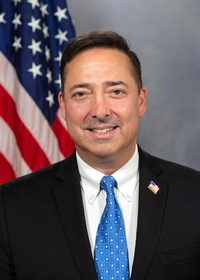
Rep. Chris Pielli
Sponsored bills
Maddy summaryHB 839 amends Pennsylvania's 1921 Insurance Company Law to ensure patients can continue care with their current healthcare providers during network changes. It requires insurers to provide a 120-day transitional period (up from 60 days) for patients if a provider leaves a network or a contract expires, with extensions possible for clinical needs - especially for pregnancy-related care through postpartum. Insurers must notify patients of network changes and cannot allow non-participating providers to bill patients directly during this period, covering services at the same terms as in-network providers. The law applies to new or renewed health insurance policies 180 days after enactment and takes effect 60 days after passage.
Maddy summaryHB 844 creates Pennsylvania's Housing Construction Loan Program and a dedicated Housing Construction Loan Fund under the Pennsylvania Housing Finance Agency. The program provides loans to eligible builders (those operating in Pennsylvania for at least three years) for constructing new homes sold to low- and moderate-income households, and to those households for financing such homes. Key provisions limit loans to 80% of a county’s median home price, cap terms at 15 years, and require all sales to remain affordable to target households. Funds for the program come from state appropriations, grants, and loan repayments, managed through the State Treasury.
Maddy summaryHB 829 amends Pennsylvania's Public School Code to require school districts to offer full-day kindergarten for children aged three to five, lowering the age limit from four years. It updates the definition of "compulsory school age" to explicitly allow children as young as three to attend kindergarten without tuition, while maintaining the upper age limit at 18. The bill also adjusts transportation provisions to include free bus service for full-day kindergarten students, similar to existing rules for other grade levels. These changes directly affect public school districts, early learning programs, and families with children aged three to five.
Maddy summaryHB 841 requires Pennsylvania state agencies to complete an annual survey of all Commonwealth-owned real property by March 1 each year. Agencies must identify surplus land and, in consultation with the Department of Community and Economic Development, assess each surplus parcel's potential for affordable housing development for very low-income, low-income, and middle-income households. The Department of Community and Economic Development will compile these surveys, report to the legislature, and evaluate whether surplus properties can be transferred to other agencies for more appropriate use. This bill amends the Administrative Code of 1929 to establish these annual requirements for managing state-owned property.
Maddy summaryHB 848 amends Pennsylvania's Solid Waste Management Act to allow criminal charges for violations of the law. The bill adds a provision enabling the state Attorney General or local district attorneys to file criminal cases when the act or its regulations are broken. This directly affects businesses, individuals, and facilities handling solid waste that fail to comply with waste management rules. The key change expands enforcement beyond civil penalties by introducing criminal prosecution as a tool for violations, such as improper disposal or non-compliance with waste regulations.
Maddy summaryHB 847 amends Pennsylvania's Safe Drinking Water Act to require the Department of Environmental Resources to offer a written preenforcement conference with violators before criminal charges can be filed under the Act's penalty provisions. This change directly affects individuals or entities potentially facing criminal prosecution for violations covered under sections (c), (d), or (e) of the Act. The key mechanism adds a mandatory step: the department must provide written notice of an opportunity to discuss the alleged violation before any criminal proceedings begin. The bill does not change the penalties or violations themselves but alters the enforcement process for criminal cases. (House Bill 847, 2025 Session)
Maddy summaryHB 837 limits handgun purchases and sales in Pennsylvania to one per person within any 30-day period, applying to most individuals but excluding licensed dealers, collectors, law enforcement, correctional facilities, security companies, antique firearms, and documented cases of stolen or lost handguns (with specific reporting requirements). It establishes the Violence Prevention Account, funded by fines from violations, to support youth violence prevention programs and law enforcement training grants. Sellers must conduct a purchase history check and inform buyers about the 30-day limit and penalties. Violations are misdemeanors for first offenses and felonies for repeat offenses.
Maddy summaryHB 821 amends Pennsylvania's Human Services Code to require the Department of Human Services to add assisted living services and supplemental health care services to the Community HealthChoices Medicaid program within 60 days. This change directly affects licensed assisted living residences, allowing them to become certified as medical assistance providers for these services. The bill mandates that the department submit necessary documentation to the federal Centers for Medicare and Medicaid Services (CMS) to implement the expansion. The policy change will enable these facilities to participate in the state's Medicaid program for covered services. The bill takes effect 60 days after enactment.
Maddy summaryHB 814 creates a tax credit for Pennsylvania residents who are spouses of first responders (including police, firefighters, EMTs, or emergency rescue personnel) killed while performing their duties. The credit equals 100% of the real property tax paid on the couple's primary residence, up to the amount of personal income tax due for the year. Spouses who remarry after their partner's death or who claim other property tax rebates are ineligible. The Department of Revenue may require documentation to verify the residence qualifies as the principal home. This bill directly affects surviving spouses of eligible first responders by reducing their state income tax liability.