

Maddy summaryHB 78 establishes rules for businesses handling consumer data, requiring them to be transparent about data collection, secure personal information, and allow consumers to access or delete their data. It directly affects companies that collect personal information (like names, addresses, or online activity) from residents of the state. Key provisions include mandating clear privacy notices, implementing security measures, and giving consumers control over their data. Violations would result in fines imposed by the state's consumer protection agency. The bill passed final passage in October 2025 and is now law.
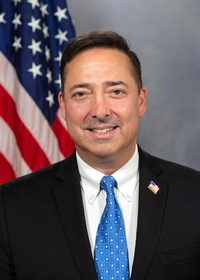
Rep. Chris Pielli
Sponsored bills
Maddy summaryThis House Resolution designates September 2026 as "Baby Safety Month" in Pennsylvania to raise awareness about infant safety. The measure encourages parents to follow safety guidelines, such as properly assembling cribs, checking product age ratings, and maintaining constant supervision. As a symbolic resolution, it does not create new laws or alter existing regulations but serves to highlight the importance of creating safe environments for children.
Maddy summaryThis resolution designates September 2026 as "Newborn Screening Awareness Month" in Pennsylvania to highlight the importance of early health testing for infants. The bill does not alter any laws or change how screening is conducted; instead, it serves as a symbolic gesture to encourage public awareness among parents, healthcare providers, and the community. By recognizing this month, the House of Representatives aims to promote education about newborn screening programs that detect rare but serious conditions.
Maddy summaryThis bill requires health insurance plans in Pennsylvania to credit money that policyholders spend on prescription drugs toward their annual out-of-pocket maximums. The law applies to anyone enrolled in a health benefit plan who pays directly for medications at a pharmacy or through a discount program, regardless of whether the pharmacy has a contract with the insurer. To receive this credit, individuals must submit proof of purchase, and the credit counts toward deductibles, copayments, and coinsurance for the year the expense was incurred. The legislation also establishes a process for insurers to submit regulations and outlines penalties for failing to comply with these new requirements.
Maddy summaryThis resolution formally recognizes August 2026 as "National Breastfeeding Month" within the state of Pennsylvania. It serves as a symbolic gesture to raise awareness about the health benefits of breastfeeding for infants and mothers, citing recommendations from major medical organizations. The text does not alter any laws or create new programs, but rather acknowledges existing state protections and insurance coverage related to lactation support.
Maddy summaryThis House resolution designates June 27, 2026, as PTSD Awareness Day in Pennsylvania to highlight the mental health condition caused by traumatic events. The measure aims to increase public understanding of PTSD symptoms and reduce the stigma surrounding the disorder among all residents, including veterans and first responders. By officially recognizing this date, the bill encourages discussions about available treatments and the importance of seeking help.
Maddy summaryHB 2527 amends Pennsylvania's Public School Code to update the definition of an 'eligible student' for early learning programs. Under the new provisions, a child qualifies if they are at least three years old, younger than the kindergarten entry age in their district, and live in a household earning no more than 400% of the federal poverty level. This legislative change directly affects eligibility criteria for early childhood education funding and services in the state.
Maddy summaryThis Pennsylvania House Resolution urges the U.S. Congress to pause efforts to pass federal laws that would block states from regulating artificial intelligence. The bill highlights both the economic benefits and potential risks of AI, noting that Pennsylvania has already enacted state-level protections for issues like deepfakes and AI-generated harmful content. It asserts the state's authority to create its own AI regulations and asks federal officials to stop threatening legal action against state AI laws or withholding funding from states that pass such regulations. The resolution directs Pennsylvania's congressional delegation to advocate for a regulatory approach that respects state authority while protecting public welfare.
Maddy summaryThis bill requires Pennsylvania electric distribution companies to create and implement virtual power plant programs by July 1, 2027, which allow customers with eligible energy technologies like solar panels or batteries to participate in grid services. The Pennsylvania Public Utility Commission will review and approve these proposals within 180 days, requiring companies to set enrollment targets and include mechanisms for existing demand response programs. Participants can receive compensation for providing services such as peak load reduction, voltage support, and emergency grid services, with special provisions for low-income customers and disadvantaged communities to receive enhanced upfront payments. The program will establish operational rules for when and how often grid events can occur, including limits on event duration and advance notice requirements, while allowing customers to disenroll without penalties for nonperformance.
Maddy summaryHB 2226 amends Pennsylvania's Unfair Trade Practices and Consumer Protection Law to explicitly prohibit pyramid schemes and similar deceptive promotional plans. The bill adds a new definition clarifying that schemes where participants pay to join and earn compensation primarily by recruiting others (rather than through product sales) are illegal, including "chain-letter plans," "pyramid clubs," and "pyramid promotional schemes." This change directly affects businesses operating such schemes and protects consumers from being misled by these fraudulent programs. The amendment specifically bans practices like requiring participants to pay for "opportunities" to recruit others, while excluding minimal initial payments of $25 or less.