

Maddy summaryHB 27 amends the Health Care Facilities Act to require hospitals and surgical clinics to install systems that remove smoke generated during certain medical procedures. This directly affects healthcare facilities performing surgeries where smoke is produced, such as those using lasers or electrosurgery. The bill mandates these evacuation systems as part of facility licensing standards under the existing 1979 law. The change focuses on improving air quality and safety for both patients and medical staff during operations.
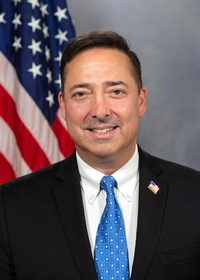
Rep. Chris Pielli
Sponsored bills
Maddy summaryHB 1654 requires Pennsylvania school districts to set identical starting salaries for teachers holding the same grade span State instructional certification and salary step, beginning with the 2026-2027 school year. This applies uniformly across all districts, ensuring teachers with identical qualifications (certification type and experience level) receive the same initial pay regardless of where they are hired. The bill mandates this consistency in new-hire compensation without altering existing salary structures for current employees. It takes effect 60 days after enactment, with the first application for the 2026-2027 school term.
Maddy summaryHB 1653 creates competitive grants to help nonprofit early childhood organizations and public school districts establish or expand child-care centers in rural Pennsylvania counties with low population density (under 291 people per square mile). The grants fund facility costs like construction or renovation, and provide two years of salary supplements to ensure child-care staff earn comparable pay to public school teachers. Recipients must partner with local businesses to cover some child-care fees for employees, aiming to maintain staffing levels after the grant period ends. This bill directly supports rural communities facing childcare shortages by making it financially feasible to open or grow quality early childhood programs.
Maddy summaryHB 968 allows active duty military members and disabled veterans to use their home state fishing and hunting licenses in Pennsylvania without purchasing separate Pennsylvania licenses. The bill amends Pennsylvania’s Fish (Title 30) and Game (Title 34) statutes to create reciprocity for annual licenses, directly benefiting these groups when fishing or hunting in the state. Key provisions remove the need for these individuals to pay additional fees for Pennsylvania licenses, streamlining access to outdoor recreation. The bill passed in June 2025 and is now law.
Maddy summaryHB 1216 amends Pennsylvania's 1968 Unfair Trade Practices and Consumer Protection Law to update definitions of prohibited business practices and clarify which acts are considered unlawful. It specifically adds new provisions targeting deceptive marketing tactics and strengthens exclusions for certain professional services. The bill directly affects businesses operating in Pennsylvania (particularly those in retail, finance, and professional services) and consumers who may encounter unfair practices. The legislation passed its final vote on June 23, 2025, and is now pending review by the Consumer Protection & Professional Licensure committee.
Maddy summaryHB 205 amends Pennsylvania's vehicle licensing laws to clarify how driver competency is determined and impacts lease agreements. It requires the Department of Transportation to indefinitely recall driving privileges for individuals found incompetent to drive, until they provide proof of competency. The bill also adds a provision allowing lessees (car renters) to terminate vehicle leases without penalty if their driving privileges are recalled under this section, provided they submit the department's recall notice to the lessor within 45 days and no household member regularly uses the vehicle. This applies to Pennsylvania leases entered into on or after the effective date, with the law taking effect in 180 days. The key change directly affects drivers with revoked licenses and their leasing companies.
Maddy summaryHB 1403 modifies Pennsylvania's teacher certification rules to make it easier for educators between jobs to maintain their licenses. It creates "inactive certification" for teachers not employed by a school district, allowing them to reactivate their license by either completing 30 hours of professional development within 18 months or securing a job offer that guarantees 30 hours of training during their first two years. The bill directly affects currently licensed teachers who are not actively teaching but wish to preserve their certification status. Key provisions include eliminating cost for inactive status and establishing two clear pathways to reactivation, with specific guidelines for schools to follow. The changes take effect 60 days after enactment.
Maddy summaryHB 350 updates Pennsylvania's laws on inheritance, parentage, and court procedures. It establishes the Uniform Parentage Act, creating new rules for establishing parent-child relationships through assisted reproduction, surrogacy agreements, and genetic testing, while repealing outdated paternity acknowledgment provisions. The bill modifies hearing requirements for adoption and parental rights termination, requiring specific notice to putative fathers and clarifying when parental rights may be terminated without their presence. It also adds protections for executors who fail to notify estates about assisted reproduction births that could affect inheritance. These changes directly affect families navigating adoption, surrogacy, inheritance disputes, and court cases involving parentage.
Maddy summaryHB 1404 amends Pennsylvania's teacher certification rules to create new pathways for career-changers and technical educators. It establishes a "Career and Technical Second Career Certificate" valid for up to five years while completing 18 semester hours in an approved program, and adds "Career and Technical Intern" and "Career and Technical Instructional" certificates for those with occupational experience. The bill replaces outdated regulations (22 Pa. Code Ch. 49) and requires postbaccalaureate programs to offer flexible training for candidates with bachelor's degrees in relevant fields. These changes directly affect individuals seeking teaching roles in career and technical education programs who lack traditional teaching credentials.
Maddy summaryThe provided context does not include the substantive provisions or specific policy changes of HB 1306. The bill's title only indicates it amends definitions and classes of income under the 1971 Tax Reform Code, but no concrete details about tax rates, brackets, affected groups, or mechanisms are described in the available information. The recent actions (e.g., "Second consideration," "Final passage") reflect procedural steps, not policy content. Without specific language or policy changes outlined in the context, a factual summary of what the bill actually does cannot be provided.