

Maddy summaryThis Pennsylvania House Resolution condemns the Russian Federation's actions in Ukraine, specifically the illegal abduction and forced transfer of Ukrainian children to Russia. The document states that these actions violate the Genocide Convention by attempting to erase Ukrainian identity and culture through forced adoption and re-education. It notes that while some children have been returned, hundreds of thousands remain at risk of exploitation and cultural assimilation in occupied territories. The resolution directs copies to the President, Vice President, Secretary of State, and U.S. Congress members to formally register the state's opposition to these policies.
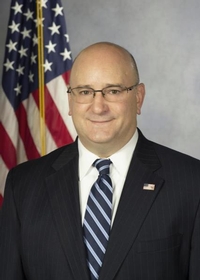
Rep. Ben Sanchez
Sponsored bills
Maddy summaryThis bill is a ceremonial resolution that designates June 12, 2026, as "Women Veterans Day" in Pennsylvania to honor the contributions of female military service members. The measure does not create new laws or change any government policies; instead, it serves to formally acknowledge the state's approximately 70,000 women veterans and highlight their growing presence in the armed forces. The text includes background information on the history of women in the military and notes specific challenges they face, such as higher rates of military sexual trauma and lower utilization of veteran benefits. Ultimately, the resolution aims to raise awareness about these issues rather than implementing concrete programs or funding changes.
Maddy summaryThis bill designates 2026 as the 80th Anniversary Year of the State YMCA of Pennsylvania Youth and Government Program. The resolution formally recognizes the program's eight-decade history of engaging high school students in hands-on civic education and leadership training. It also commends the organization for its long-standing commitment to developing future leaders and providing financial assistance to participants.
Maddy summaryThis resolution formally recognizes July 25, 2026, as "World IVF Day" throughout Pennsylvania. It highlights the importance of in vitro fertilization for helping individuals and couples overcome infertility and acknowledges the critical role embryologists play in the process. The bill does not change any laws or policies; instead, it serves as a symbolic gesture to celebrate advancements in fertility medicine and the millions of babies born via IVF worldwide.
Maddy summaryThis bill requires health insurance policies in Pennsylvania to cover at least two epinephrine delivery systems, such as EpiPens, for an annual maximum cost of $35 regardless of deductibles or copayments. It applies to standard medical insurance plans but excludes limited coverage types like dental-only or accident policies. Additionally, the state Insurance Department must investigate manufacturer pricing practices and submit a public report with recommendations to control costs within one year. Insurance companies are also permitted to offer lower out-of-pocket costs than the $35 cap if they choose.
Maddy summaryHB 1102 amends Pennsylvania’s military law to clarify and expand eligibility for the Medical Officer or Health Officer Incentive Program. It updates definitions to explicitly include "behavioral health officers" (requiring specific licenses, insurance, and federal compliance) and clarifies qualifications for physicians, physician assistants, and public health/environmental science officers. The bill affects Pennsylvania National Guard members in military medical roles who qualify for program stipends and incentives. Key changes ensure precise eligibility criteria for financial support, including updated requirements for residency, licensure, and program participation.
Maddy summaryHB 1851 updates Pennsylvania's requirements for death and fetal death certificates under the 1953 Vital Statistics Law. It changes the specific information that must be recorded on these official documents, affecting hospitals, medical examiners, and vital records offices. The bill focuses on standardizing or adding details required for certification purposes. This procedural change aims to modernize record-keeping for public health data collection.
Maddy summaryHB 1830 updates Pennsylvania vehicle laws by requiring tow trucks to display flashing or revolving lights as part of their mandatory equipment. This change directly affects tow truck operators and drivers who must comply with the new lighting standard. The bill specifies the type of lights (flashing or revolving) that must be used on tow vehicles. It amends Title 75 of the Pennsylvania Consolidated Statutes, focusing on equipment safety requirements for tow operations. The bill is currently under review by the Transportation committee.
Maddy summaryHB 482 authorizes Pennsylvania to join the Interstate Occupational Therapy Licensure Compact, enabling licensed occupational therapists and assistants from Pennsylvania to practice in other participating states without obtaining separate licenses. The bill establishes mechanisms for mutual recognition of licenses, sharing of disciplinary and investigative data between states, and accountability for practitioners providing services across state lines. It directly affects occupational therapists, assistants, and patients seeking services in multiple states, particularly supporting military spouses relocating and expanding telehealth access. Key provisions include requiring states to participate in a shared data system, defining terms like "Compact Privilege," and preserving each state’s regulatory authority over local practice standards. This is a procedural bill enabling Pennsylvania’s participation in an existing interstate framework, not creating new licensing requirements.
Maddy summaryHB 1646 amends Pennsylvania's Barbers' License Law (1931) to change the quorum requirement for the State Board of Barber Examiners. It replaces the previous rule requiring six board members to be present with a new rule stating that a majority of serving members constitutes a quorum. This procedural change primarily affects the board's internal operations, making it easier to conduct meetings and business without waiting for a fixed number of members. The bill does not alter licensing standards, fees, or barber practice requirements.