

Maddy summaryThis Pennsylvania bill expands rules against hunting and trapping by explicitly banning the use of devices that involve beating game or wildlife. It also strengthens license penalties by allowing officials to revoke hunting or trapping privileges for specific serious violations, including the new beating prohibition, hunting while intoxicated, entering safety zones, damaging property, shooting at people, and failing to assist after an incident. Additionally, the law permits license revocation for individuals convicted of aggravated cruelty to animals in Pennsylvania or similar offenses in other states. The commission retains the authority to set the specific duration for any license revocations.
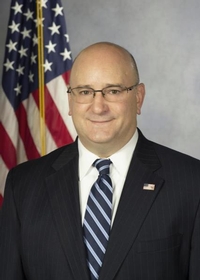
Rep. Ben Sanchez
Sponsored bills
Maddy summaryThis bill creates a new Cybersecurity Coordination Board within the Pennsylvania Office of Administration to improve state cybersecurity efforts. The board will collect and share security information, advise the Governor on best practices, and coordinate with federal agencies, local governments, and private sector partners. Its membership includes representatives from key state offices, elected officials, local government leaders, and three appointed cybersecurity experts. The board will also invite federal agency representatives to serve in advisory roles and will elect its own leadership while appointing an executive director to manage its daily operations.
Maddy summaryThis bill amends Pennsylvania's personal income tax code to clarify that certain educational savings distributions are not taxable. Specifically, it ensures that withdrawals from qualified tuition programs rolled over into a Roth IRA remain exempt from state taxation, aligning state rules with federal tax exemptions. The change directly affects Pennsylvania residents who utilize these specific financial vehicles for education savings. By updating the Tax Reform Code, the legislation provides clear guidance on which income classes are excluded from state tax liability.
Maddy summaryThis bill creates a new tax credit for small businesses in Pennsylvania that help employees pay for health insurance purchased through the state exchange. To qualify, a business must have 50 or fewer employees and make contributions toward health reimbursement arrangements for their workers. The credit is calculated based on the first $1,000 of contributions per employee and can be applied to reduce the business's state tax liability. Companies claiming the credit must submit detailed forms to the Department of Revenue listing employee information and insurance provider details.
Maddy summaryThis bill updates Pennsylvania laws to clarify how dealers are defined and establishes new health requirements for horses and other equines sold by them. Under the new rules, dealers must ensure that any equine they sell has tested negative for equine infectious anemia within the last 12 months, unless the animal is a young foal under six months sold with its mother. Dealers are also required to keep detailed records for at least two years, including information about identification methods like microchips or brands, the date of sale, and copies of health test results.
Maddy summaryThis resolution directs the Joint State Government Commission to study pretrial detention practices and the number of people held before trial in the Commonwealth. It requires the commission to issue a report on the current status of these practices and populations. The study will inform future policy decisions but does not change existing laws or affect individuals directly. This is a procedural resolution, not a legislative measure with immediate effects.
Maddy summaryHouse Bill 1434 amends Pennsylvania's Crimes and Offenses statute to specifically address the sale of electronic nicotine delivery systems to minors. This legislation introduces new penalties for retailers who violate this prohibition. For a first or second offense, a retailer would face a $5,000 fine. A third offense would result in a $5,000 fine and the permanent revocation of their cigarette license. This bill directly affects retailers by imposing stricter financial and licensing consequences for selling these products to minors.
Maddy summaryThis bill establishes the Pennsylvania Maternal and Infant Outcome Measures Survey Program within the Department of Health to collect data on the health experiences of mothers and babies. The program will conduct surveys of individuals who have recently had a live birth to gather information on their behaviors, attitudes, and experiences before, during, and after pregnancy. The Department of Health is authorized to use available funding, including federal money, and may hire outside contractors to run the survey while ensuring all personal data remains confidential. Additionally, the bill allows the department to share de-identified survey results with researchers and publish them in public reports to help improve maternal and child health outcomes.
Maddy summaryThis bill modifies Pennsylvania's tax code to update definitions for tax benefits and establish new rules for computer data centers and infrastructure projects. It prohibits the state from certifying any new computer data centers after the law takes effect, effectively ending the current incentive program for such facilities. Additionally, the legislation creates a new certification process for the Governor's Responsible Infrastructure Development program, which sets standards for clean firm energy, including requirements for nuclear, hydro, wind, solar, and hydrogen sources. These changes aim to clarify how tax benefits are administered and to guide future infrastructure investments toward specific energy standards.
Maddy summaryThis bill directs Pennsylvania's Human Services department to replace current Supplemental Nutrition Assistance Program cards with new chip-enabled versions by January 1, 2028. The new cards will be provided free of charge to eligible recipients and will include security features like tap-to-pay technology to prevent benefit theft. The department must issue regular reports on the transition progress to state legislators and take steps to secure funding, including applying for federal grants.