

Maddy summaryThis bill is a House resolution that asks the Pennsylvania General Assembly to officially recognize July 25, 2024, as "World IVF Day" within the state. The measure does not change any laws or policies; instead, it serves to acknowledge the importance of in vitro fertilization and the role of embryologists in helping individuals and couples with infertility. The text highlights statistics about IVF success and the medical procedures involved, noting both the benefits for those struggling to conceive and the associated financial and health risks. Ultimately, the resolution is a symbolic gesture to celebrate advancements in fertility medicine rather than a legislative action with enforceable consequences.
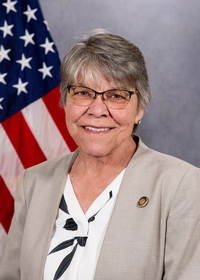
Rep. Nancy Guenst
Sponsored bills
Maddy summaryThis bill designates May 10, 2024, as "Child-Care Provider Appreciation Day" to honor the work of caregivers in Pennsylvania. It is a commemorative resolution that does not change laws, allocate funds, or create new programs. The text highlights the importance of child care for working families and the positive impact of quality care on children's development. Ultimately, the measure serves to publicly recognize child-care workers rather than implement concrete policy changes.
Maddy summaryThis Pennsylvania House resolution urges the U.S. Congress to support the Major Richard Star Act, which would allow medically retired service members to receive both their retirement pay and VA disability benefits simultaneously. Currently, the law reduces retirement pay by the amount of disability compensation received, a restriction that affects an estimated 50,000 veterans who retired due to service-related injuries. The bill aims to eliminate this offset so that all medically retired personnel can access their full financial entitlements without penalty. The resolution is a symbolic call to action rather than a law itself, directing Pennsylvania lawmakers to lobby federal legislators for this policy change.
Maddy summaryThis bill is a ceremonial resolution that formally recognizes May 18, 2024, as "Armed Forces Day" within the state of Pennsylvania. It directly honors the service and sacrifice of U.S. military members and their families by encouraging local appreciation and acknowledging the support provided by private citizens and businesses. The text includes standard statements of gratitude and commits the state to supporting service personnel, but it does not create any new laws or change existing policies. Copies of the resolution are intended for distribution to military installations in the Commonwealth to share the recognition.
Maddy summaryThis bill expands the definition of "establishment" under Pennsylvania's human trafficking laws to include various venues such as hotels, motels, truck stops, and transportation hubs. It mandates that owners and managers of public lodging establishments provide human trafficking awareness training to their employees within 90 days of hiring or the bill's effective date, with specific content on identifying victims and reporting signs of exploitation. The legislation also requires these businesses to maintain records of employee training for two years and submit proposed training materials to the Department of Labor and Industry for approval. Additionally, the bill introduces enforcement mechanisms, including administrative and criminal penalties for violations, while allowing for affirmative defenses if an establishment can prove it took reasonable steps to prevent trafficking.
Maddy summaryThis bill amends Pennsylvania's Vital Statistics Law to establish fee waivers for obtaining certified copies of birth and death records. It directly affects active duty military personnel, veterans, their spouses, dependents, funeral homes, and legal representatives of deceased service members. The key provision allows these specific groups to receive their first ten certified copies of a record for free each year, while also clarifying definitions for terms like "veteran" and outlining specific conditions for who qualifies for the waiver.
Maddy summaryThis bill modifies the Pennsylvania Food Bucks Program to require grantees to verify the residency of every SNAP recipient receiving benefits. It specifically prohibits providing benefit incentives to individuals who are not residents of Pennsylvania or who are not lawful residents of the United States. Additionally, the legislation mandates that program evaluators conduct biennial reviews and publish detailed reports on funding usage, geographic distribution, and participating retailers. The bill also grants the department authority to refer suspected immigration law violations to enforcement agencies. These changes directly affect the administration of the food incentive program and the eligibility criteria for participating SNAP recipients.
Maddy summaryThis bill designates April 2024 as "National Volunteer Month" within Pennsylvania to honor the contributions of volunteers. It highlights the benefits of volunteering, such as job assistance, skill development, and improved community resilience, without creating new laws or funding. The resolution serves as a formal recognition and encourages residents to participate in community service efforts during the specified month.
Maddy summaryThis Pennsylvania House Resolution designates the week of June 17 through 21, 2024, as "Apprenticeship Week" to highlight the importance of registered apprenticeship programs. The measure serves as a commemorative gesture recognizing the history and benefits of these training initiatives, which provide workers with on-the-job learning and mentorship while helping employers build a skilled workforce. By officially setting aside this specific time frame, the resolution aims to raise public awareness about apprenticeships as a pathway to high-paying jobs and career development.
Maddy summaryThis bill directs the Pennsylvania Human Services department to update its licensing rules within 60 days to include assisted living and supplemental health care services under the state's Community HealthChoices program. Specifically, it requires the department to submit necessary paperwork to the federal Centers for Medicare and Medicaid Services so that licensed assisted living facilities can be certified as medical assistance providers for these services. The legislation affects assisted living residences and the state health department by formally integrating these facilities into the existing healthcare coverage system.