

Maddy summaryHB 98 creates a licensing system for electrical contractors, electricians, and apprentice electricians in Pennsylvania. It establishes the State Board of Electrical Licensure to set qualifications, require continuing education, mandate liability insurance, and enforce standards. The bill directly affects individuals and businesses performing electrical work in buildings, including installation, repair, and maintenance of electrical systems. Key provisions include setting licensing fees, imposing fines for violations, and creating enforcement mechanisms for the Board to suspend or revoke licenses. The bill also includes an appropriation for the Board's operations.
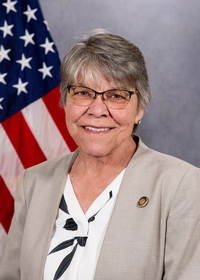
Rep. Nancy Guenst
Sponsored bills
Maddy summaryHB 673, the Riparian Buffer Protection Act, requires property owners and developers to protect existing natural vegetation buffers along rivers and streams and restore damaged buffers. It defines "natural riparian buffers" as vegetation providing ecosystem benefits (like filtering pollution, preventing erosion, and supporting wildlife) and prohibits land development that creates impervious cover (such as roads, driveways, or concrete) within these buffer zones. Municipalities gain authority to issue permits for development, inspect properties, and enforce rules, with penalties for violations. The law also clarifies how it interacts with existing state environmental regulations and local ordinances.
Maddy summaryHB 671 requires oil and gas companies and land brokers to use plain language in contracts with landowners for property leases or sales. It mandates contracts be written with short sentences, active verbs, clear definitions of industry terms, and easy-to-read formatting (like bold section headings and clear fonts). Landowners who sign non-compliant contracts can seek $10,000 in statutory damages, actual losses, attorney fees, and other remedies. The law applies to all new contracts or modifications signed on or after its effective date (one year after enactment) and excludes cases where landowners drafted the contract or companies made good-faith compliance efforts.
Maddy summaryHB 636 amends Pennsylvania's disabled veterans' real estate tax exemption law by extending the review period for exemption eligibility from every five years to every ten years. The bill requires the Pennsylvania Veterans' Commission to reassess applicants' economic status at least once every decade to determine if they still qualify for the exemption. This change directly affects disabled veterans currently receiving the tax exemption, as it delays the periodic review of their eligibility. The key provision modifies Section 8904(3) of Title 51 of the Pennsylvania Consolidated Statutes, shifting the review cycle without altering the exemption's eligibility criteria or benefits. The bill takes effect 60 days after enactment.
Maddy summaryThis bill requires Pennsylvania health clubs with swimming pools of 1,500 square feet or larger to have at least one certified lifeguard on duty during all hours the pool is open for swimming by members and guests. A "certified lifeguard" must hold a current certification from a lifeguard training program approved by the Pennsylvania Department of Health. This rule directly affects health clubs operating such pools, mandating a minimum safety standard during pool hours. The law takes effect 60 days after enactment.
Maddy summaryHB 642 increases penalties for oil and gas regulation violations in Pennsylvania. It raises fines for general violations from $1,000 to $2,000 per day and for willful violations from $5,000 to $10,000 per day, with potential jail time. The bill also prohibits the department from waiving these fines and specifies that the department, Attorney General, or county prosecutors can pursue penalties. This directly affects oil and gas operators who violate state regulations.
Maddy summaryThis Pennsylvania House resolution (HR 84) urges Congress to amend the Military Selective Service Act to require all individuals aged 18-26 - regardless of gender - to register for potential military service. Currently, only men in that age range must register under federal law. The resolution cites women's long history of military service, including combat roles since 2013, and notes women now comprise 17.5% of active-duty forces. It specifically calls for gender-neutral registration as a step toward full equity in the military. (Note: This is a non-binding resolution, not a bill with legislative effect.)
Maddy summaryHB 672 requires Pennsylvania health insurers to cover prescribed early allergen introduction dietary supplements for infants under one year old, specifically those containing safe, well-cooked egg or peanut protein to help reduce food allergy risk. Insurers must provide this coverage at no additional cost to consumers, including no deductibles, copays, or coinsurance. The law applies to most health insurance policies (excluding specialized plans like dental or workers' compensation) and mandates coverage for supplements prescribed by licensed healthcare providers. It directly affects infants at risk of food allergies, particularly addressing health disparities noted in the bill (e.g., higher allergy rates among Black children). The policy changes are effective 60 days after enactment, with no cost-sharing for these specific supplements.
Maddy summaryHB 77 updates Pennsylvania's food protection laws to align with the 2022 FDA Food Code. It requires retail food facilities (like restaurants and grocery stores) to prominently display employee allergy awareness posters detailing major allergens and symptoms, and to include allergen information on menus or written materials for customers. The bill also revises definitions of "potentially hazardous food" and mandates that the Pennsylvania Department of Agriculture adopt the FDA Food Code standards, with updates published in the Pennsylvania Bulletin. The law takes effect 60 days after enactment.
Maddy summaryThis bill establishes the Opioid Reparation and Accountability Fund, which will receive fees from opioid manufacturers and distributors, and creates the Opiate Epidemic Response Advisory Council. It requires opioid manufacturers/distributors to obtain licenses and pay $27,500 annually for licenses (with $2,500 for non-opioid drugs), plus an additional annual fee if they distribute over 2 million opioid units. The Department of Health, Human Services, and Drug and Alcohol Programs must implement new reporting requirements, manage the fund, and coordinate with the advisory council. The fund will support community programs addressing the opioid crisis, directly affecting opioid manufacturers, distributors, and state agencies responsible for oversight.