

Maddy summaryHB 936 modifies Pennsylvania's child care subsidy program by reducing copayments for parents who work in the child care field. It requires that families where a parent or caretaker is employed as a child-care worker or direct support professional (in either family child-care homes or licensed centers) pay no more than 15% of their annual income for subsidized care, regardless of their income level. This change applies to all qualifying child care settings defined in the bill, including family child-care homes (serving 4-6 unrelated children) and centers (serving 7+ children). The policy aims to lower financial barriers for child care workers seeking subsidized care for their own children.
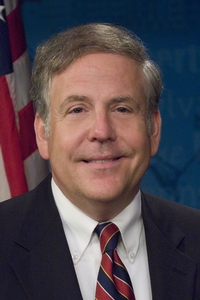
Rep. Bob Freeman
Sponsored bills
Maddy summaryHB 922 requires health insurance plans in Pennsylvania to cover fertility preservation services, such as freezing eggs, sperm, or embryos, without cost-sharing (like deductibles or copays). This applies to individuals under 45 at risk of infertility due to medical treatments (e.g., cancer therapy), including covered spouses and dependents. The bill mandates coverage for specific services like storage, consultations, embryo transfers, and related diagnostics, while prohibiting preexisting condition exclusions or arbitrary limits on coverage. It also requires storage coverage for five years (or until age 18 for minors) and aligns with medical guidelines from the American Society for Reproductive Medicine.
Maddy summaryHB 915 creates a new supplemental funding program under Pennsylvania's Public School Code to support childcare facilities serving meals through the federal Child and Adult Care Food Program. The bill establishes a "Supplement" administered by the Department of Education, providing additional financial reimbursements to facilities that demonstrate they can serve more meals or improve care for enrolled children and adults. Facilities must meet specific criteria, such as expanding meal service or enhancing educational opportunities (with separate standards for nonprofits vs. for-profits), and must report annually to multiple legislative committees on participation, meals served, and funding needs. This bill directly affects licensed childcare centers, shelters, and similar facilities receiving federal meal reimbursements.
Maddy summaryHB 111 prohibits life insurance companies in Pennsylvania from denying coverage, limiting benefits, or charging higher rates to applicants or policyholders solely because they have been prescribed an opioid overdose reversal agent (like naloxone). The bill directly affects individuals who use these medications, including those with opioid use disorder or at risk of overdose. It defines "adverse action" to include these discriminatory practices and makes such actions violations of existing laws against unfair insurance practices. The law takes effect 60 days after enactment.
Maddy summaryHB 895 establishes a process for Pennsylvania citizens to report specific federal consumer protection violations to the Office of Attorney General through a public website, email, or phone line. The bill requires the Attorney General to create this system and assign each citizen a unique identifier and password, along with collecting contact details for potential testimony. If the Attorney General secures a monetary recovery based on a citizen's information about violations like fraud, privacy breaches, or consumer credit issues, a witness award must be requested. This law directly affects citizens with knowledge of the listed federal offenses and the Office of Attorney General.
Maddy summaryThis bill amends Pennsylvania's Tax Reform Code to exclude sales and use taxes on firefighting equipment purchased by paid or volunteer firefighters using their own money. To qualify for this tax exemption, firefighters must present a department-issued identification card at the time of purchase, which the Department of Revenue will issue to individuals holding approved certifications. The legislation defines firefighting equipment as items designed to extinguish, control, or stop fires or protect users and property from fire hazards. This change directly affects individual firefighters and retailers selling firefighting gear, while establishing new administrative procedures for identification card issuance.
Maddy summaryHB 887 prevents Pennsylvania counties and municipalities from regulating the ownership, possession, transfer, or transportation of firearms, ammunition, or components - except when on property they own, operate, or maintain (like buildings, parks, or vehicles). It repeals a current law (Title 53 § 2962(g)) that banned local governments from creating firearm regulations. The bill directly affects all local governments by limiting their authority to enact firearm-related ordinances. This change takes effect 60 days after enactment.
Maddy summaryHB 875 amends Pennsylvania's fireworks laws by standardizing definitions and use rules while repealing all existing municipal regulations. It defines "consumer fireworks" to align with federal safety standards (CPSC) and specifies that users must be 18+, avoid certain locations (like near buildings or livestock facilities), and obtain property owner permission for use. The bill eliminates local authority over fireworks by repealing provisions that allowed municipalities to set rules on sales, permits, fees, use hours, and prohibited days. This change means statewide uniform rules replace varying local ordinances, directly affecting consumers, property owners, and livestock facilities. The key policy shift is transferring regulation from local governments to state-level standards.
Maddy summaryHB 863, the Healthy Workplace Act, creates legal protections against abusive work environments for most Pennsylvania employees (excluding agricultural, domestic, and family employment), directly affecting employers and employees in covered workplaces. It defines "abusive conduct" as repeated verbal abuse, threats, sabotage, or conduct causing physical/psychological injury (not covered by workers' compensation), and prohibits such behavior that creates a hostile workplace. Employers face liability for abusive conduct by their employees but can defend by showing reasonable preventive measures were taken and the employee failed to use available remedies. The bill also prohibits retaliation against employees who report abuse or participate in investigations, with additional defenses for reasonable performance evaluations or workplace investigations.
Maddy summaryThis resolution designates March 18, 2025, as "National Transit Worker Appreciation Day" in Pennsylvania. It recognizes the work of approximately 16,800 public transit employees (including bus/train operators, drivers, and maintenance staff) who support over 237 million annual trips for Pennsylvania residents. The resolution does not create new laws or funding but encourages the public to thank transit workers for their role in connecting communities to jobs, healthcare, and education. It specifically highlights concerns about safety risks transit workers face, including recent incidents of violence. The resolution is symbolic and non-binding, limited to Pennsylvania's House of Representatives.