

Maddy summaryThis Pennsylvania House resolution directs the Joint State Government Commission to create an advisory committee and conduct a comprehensive study on artificial intelligence. The proposed committee includes representatives from various state agencies, labor unions, academic institutions, and technical experts to examine AI's benefits, risks, and potential impacts on the state. The study will assess how AI is currently used, evaluate its effects on employment and disinformation, and propose regulations for its responsible development within Pennsylvania government and society. Ultimately, the commission must submit a report with recommendations on whether to establish a permanent oversight body and how to allocate rights between workers and employers regarding AI implementation.
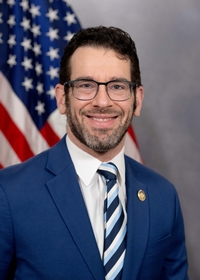
Rep. Mike Schlossberg
Sponsored bills
Maddy summaryThis resolution designates February 11 through 17, 2024, as Future Business Leaders of America Week in Pennsylvania. It directly honors the nonprofit organization FBLA, which supports students in developing business and leadership skills through various chapters across the state. The measure serves as a commemorative recognition of the group's history and mission rather than enacting new laws or policies.
Maddy summaryThis bill directs the Joint State Government Commission to conduct a comprehensive study on the growth and changes of short-term rentals across the Commonwealth. The study will examine current market data, existing local ordinances, state laws, and the impacts of these rentals on the economy, affordable housing, and traditional tourism. The commission is required to submit a report with its findings and recommendations to the Governor and various legislative committee chairs within 180 days of the bill's adoption.
Maddy summaryThis bill designates May 10 through 19, 2024, as "Go Public Gardens Days" throughout Pennsylvania. The resolution recognizes the economic and environmental importance of public gardens, which support thousands of jobs and attract millions of visitors annually. It highlights the state's role in agriculture and tourism by acknowledging the efforts of public gardens to conserve natural resources and promote biodiversity. The measure serves as a commemorative gesture to encourage public engagement with these institutions during a specific week in May.
Maddy summaryThis bill creates a program called the Linked Deposit Impact Pennsylvania Act to help small, for-profit businesses owned by Pennsylvania residents that employ 100 or fewer people and earn less than $10 million annually. Under the plan, the State Treasurer would place funds with approved local banks, which then agree to lend that same amount to eligible small businesses at a reduced interest rate. The legislation requires banks to follow standard lending practices to check borrower creditworthiness and prohibits them from charging fees for participating in the program. Ultimately, the State Treasurer manages the program by reviewing loan applications and deciding how much money to deposit with each participating bank.
Maddy summaryThis bill, known as the Victims of Violence Safe Employment Act, creates a new right for Pennsylvania employees and their family members to take unpaid leave after experiencing violence, sexual violence, stalking, or abuse of a vulnerable adult. The law allows victims to take this leave to seek medical care, attend court proceedings, or recover from the trauma of the incident, with employers prohibited from retaliating against them for using the leave. Employers are required to provide this leave without requiring the employee to prove the incident resulted in a criminal conviction, relying instead on documentation from law enforcement, healthcare providers, or victim advocates. Additionally, the bill establishes penalties for employers who violate these protections and creates a legal cause of action for employees to sue for damages if they face retaliation.
Maddy summaryThis bill directs the Legislative Budget and Finance Committee to conduct a study on the services, processes, and wait times provided by the Office of Vocational Rehabilitation and the Bureau of Blindness and Visual Services in Pennsylvania. The investigation will examine how long individuals with visual impairments wait for essential support and analyze how these delays affect their lives and career prospects. Additionally, the study will look into ways to improve efficiency, such as exploring partnerships with outside agencies to reduce waiting lists. The committee is required to submit a report with its findings and recommendations to the General Assembly within 180 days.
Maddy summaryThis Pennsylvania bill expands stalking laws and introduces a new crime called unauthorized location tracking to address privacy concerns regarding digital surveillance. The stalking provisions clarify that repeated acts intended to cause fear or emotional distress are criminal offenses, with penalties increasing to a felony for repeat offenders or those with prior violent convictions. Additionally, the bill makes it a misdemeanor to use technology to monitor another person's location without permission, though it includes specific exceptions for law enforcement investigations, court-ordered supervision, and parents tracking their own children. These changes aim to provide clearer legal tools for protecting individuals from harassment and invasive tracking while allowing for legitimate uses like parental monitoring and fleet management.
Maddy summaryThis bill establishes rules for how Pennsylvania can use money from the Veterans' Trust Fund. It prohibits the state from using these funds to pay salaries for administrative staff working at veterans' or charitable organizations, though medical care providers are exempt from this restriction. Additionally, the law limits grants or assistance to any single organization to a maximum of $250,000 over a three-year period. These changes apply immediately to the State Veterans' Commission and the Deputy Adjutant General for Veterans' Affairs.
Maddy summaryThis Pennsylvania bill requires school districts to print a 24/7 accessible suicide prevention hotline number on student identification cards for grades six through twelve. It also mandates that school safety coordinators ensure the same hotline number is prominently displayed on school websites and in the offices of counselors, principals, and administrators. These changes aim to make mental health resources more visible and accessible to students and staff within the school environment.