

Maddy summaryHB 1576 updates Pennsylvania's Human Services Code to change how counties receive payments for child welfare services. It requires counties to submit detailed reports on their service delivery for state review before payments are finalized. This directly affects counties that provide child welfare programs by adding reporting requirements to the payment process. The bill modifies existing payment rules to improve oversight and ensure funds align with actual service provision.
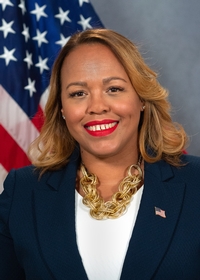
Rep. Johanny Cepeda-Freytiz
Sponsored bills
Maddy summaryHB 1573 amends Pennsylvania's Human Services Code to improve access to services for children and youth. It requires human services agencies to collect and report more detailed statistics on service usage and outcomes, and provides funding for research to evaluate program effectiveness. These changes aim to make service delivery more responsive to community needs by strengthening data collection and research support within existing youth-focused programs. The bill directly affects children, youth, and agencies administering human services programs under the code.
Maddy summaryHB 1000 amends the state's Professional Psychologists Practice Act to update rules for psychologists. It specifically allows licensed psychologists to obtain a prescription certificate for certain medications, including controlled substances, under defined conditions. The bill also revises procedures for the State Board of Psychology regarding license renewals, penalties for violations, and reporting requirements for multiple licenses. These changes directly affect licensed psychologists seeking prescribing authority and the board managing professional standards.
Maddy summaryHB 1762 amends Pennsylvania's Public School Code to establish a 12-month residency requirement for in-state tuition at public colleges and universities. It directly affects students enrolling at Pennsylvania's public higher education institutions (including community colleges, State System universities, and State-related institutions) starting in the fall 2025 semester. To qualify for lower in-state tuition rates, students must have lived in Pennsylvania continuously for at least 12 months prior to enrollment. The bill takes effect July 1, 2025, or immediately thereafter.
Maddy summaryHB 1758 removes existing rules that prevented employers from disciplining or terminating volunteer firefighters, ambulance staff, or rescue squad members who missed work for emergency calls. It replaces these provisions with a new tax credit program for employers who hire volunteer emergency responders (including firefighters, ambulance personnel, and rescue squad members). The tax credit, available to both private businesses and government entities, helps offset costs associated with employing these volunteers. This bill directly affects volunteer emergency responders and their employers across Pennsylvania by shifting from disciplinary protections to a financial incentive.
Maddy summaryHB 1760 establishes a 5% minimum annual participation goal for veteran business enterprises (including service-disabled veteran-owned small businesses) in Pennsylvania's state procurement contracts. It requires the Department of General Services to verify business certifications, maintain a directory of qualified veteran-owned businesses, and provide assistance to help these businesses compete for contracts. The bill also creates an "aspirational target" for participation that can be adjusted every five years after a disparity study, and allows agencies to request waivers for specific contract goals. This applies to Commonwealth agencies purchasing goods or services under Titles 51, 62, and 74 of Pennsylvania law.
Maddy summaryHB 1757 creates a voluntary Pennsylvania firefighter cancer registry managed by the Department of Health. It requires collecting anonymized data from firefighters, including fire incident types, work history, health information, and demographics, to link with existing cancer registry data. The registry aims to identify cancer trends and regional disparities among firefighters, with annual reports to the Governor and legislature containing findings and recommendations. All data remains confidential and cannot be used in court or for disciplinary actions. The registry will also make de-identified data available for public research without fees.
Maddy summaryHB 1299 amends Pennsylvania's Unfair Trade Practices and Consumer Protection Law to regulate automatic renewal and continuous service offers. It requires businesses to clearly disclose renewal terms, pricing after trials, and cancellation options in a way consumers can retain, and to allow online cancellation. The law applies to most subscription-based goods/services but excludes health clubs, federally regulated utilities, natural gas/electricity contracts, and insurance entities. Violations would be treated as unfair trade practices under existing enforcement mechanisms.
Maddy summaryHB 1697 amends Pennsylvania's Human Services Code to create a state-level False Claims Act, directly affecting healthcare providers, contractors, and organizations receiving state funds (like Medicaid or welfare programs). It makes individuals or entities liable for three times the damages plus penalties if they knowingly submit false claims, make false records, or conceal obligations to the state. The bill establishes "qui tam" lawsuits allowing whistleblowers to sue on behalf of the state and creates a Fraud Prevention and Recovery Account to hold recovered funds. These provisions align Pennsylvania's law with the federal False Claims Act to combat fraud in public spending.
Maddy summaryHB 1466 requires mortgage lenders in Pennsylvania to provide mandatory housing counseling to applicants before processing reverse mortgage loans. Specifically, licensees must arrange in-person, phone, or video counseling from a HUD-approved agency, covering reverse mortgage details and alternatives, and issue a certificate documenting the session. This applies to all applicants for reverse mortgages - loans secured by home equity that don’t require repayment until later - and mandates lenders to keep counseling records for the loan’s duration. The bill directly affects mortgage lenders and reverse mortgage applicants, aiming to improve consumer understanding of this complex financial product.