

Maddy summaryHB 1905 amends Pennsylvania law to expand the offense of assault to explicitly include "ethnic intimidation" under Title 18, making bias-motivated harassment a specific criminal charge. It also strengthens protections under Title 42 by prohibiting civil rights violations related to discriminatory conduct. The bill directly affects victims of bias-based crimes and law enforcement handling such cases, requiring specific legal procedures for these offenses. Key provisions clarify that assault charges can now be filed when harassment targets a person's ethnicity, religion, or other protected characteristics. The bill remains pending before the Judiciary committee after its referral on September 30, 2025.
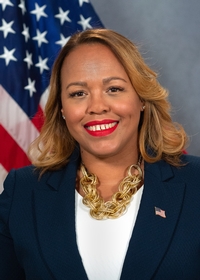
Rep. Johanny Cepeda-Freytiz
Sponsored bills
Maddy summaryHB 1902 updates Pennsylvania law to specifically address hate-based harassment by adding "ethnic intimidation" as a distinct criminal offense under assault laws. It expands civil rights protections for victims of hate crimes by clarifying violations related to bias against race, ethnicity, or national origin. The bill requires municipal employees to complete annual training on recognizing and responding to hate-based intimidation. These changes directly affect law enforcement, municipal staff, and individuals experiencing bias-motivated violence or discrimination in Pennsylvania.
Maddy summaryThis bill amends Pennsylvania law to allow the Governor to permit the voluntary display of the Green Star Service Banner on state-owned property. The banner is intended to honor the surviving families of military members and veterans who died by suicide during specific observances. This change adds a new provision to an existing statute that currently gives the Governor authority over how the U.S. flag is displayed on public grounds. The new rule requires that any display of the banner follows existing security and policy guidelines for state property.
Maddy summaryThis bill updates Pennsylvania laws governing public-private transportation partnerships by clarifying definitions, establishing board procedures, and outlining sovereign immunity protections. It requires public agencies to conduct detailed analyses and public comment periods before approving transportation projects, ensuring transparency and community input. Additionally, the legislation reaffirms that government entities and their employees retain immunity from lawsuits when acting within their official duties, while specifying how legal claims must be filed. These changes directly affect state agencies, local governments, and private partners involved in transportation infrastructure initiatives.
Maddy summaryThis bill requires taxpayers with significant sales tax delinquencies or repeated failure to file returns to use an authorized third-party service provider for reporting and remitting taxes. It directly affects Pennsylvania businesses and individuals who owe more than $5,000 in delinquent sales tax or have three consecutive non-filed returns. The Department of Revenue would cover the service provider costs for the first year, after which the taxpayer pays, and could impose a $10,000 penalty for failing to enroll with an approved provider. The law takes effect 60 days after passage and allows taxpayers to continue using the service provider voluntarily after the mandatory period ends.
Maddy summaryHB 2109 prohibits Pennsylvania local governments (like cities, towns, and counties) from setting household size limits based on familial relationships (such as parents with children or roommates). It allows occupancy limits only for verified health/safety standards (like building codes) or to comply with federal/state affordable housing program rules. The bill directly affects renters, homeowners, and local officials who previously enforced such restrictions. Key definitions clarify that "familial relationship" includes blood, marriage, adoption, or foster care ties, and "local government unit" covers all Pennsylvania municipalities. This bill takes effect 60 days after enactment.
Maddy summaryThis Pennsylvania House Resolution directs the Joint State Government Commission to study how driverless vehicles and delivery robots affect public safety and the workforce. The study will examine specific issues such as potential job losses in transportation sectors, necessary infrastructure upgrades, and the technology's impact on diverse communities and people with disabilities. The commission is required to submit its findings to state legislative committees within one year of the resolution's adoption.
Maddy summaryThis bill establishes a new Firefighter Cancer Screening Program and a dedicated Fund to provide cancer screening exams for eligible firefighters in Pennsylvania. The program defines eligible participants as firefighters from municipal, volunteer, or airport fire companies that meet specific criteria, such as having mutual aid agreements and responding to a minimum number of emergency calls. The Department of Health will issue benefits cards to these eligible individuals, allowing them to access medically necessary screenings using MRI or ultrasound at no cost to them. Additionally, the legislation outlines how the Budget Stabilization Reserve Fund should be managed and disposed of within special funds.
Maddy summaryThis bill designates the week of June 7 through 13, 2026, as "Chesapeake Bay Awareness Week" throughout Pennsylvania. It directly affects state residents and officials by encouraging them to hold events and educational programs to highlight the bay's environmental and economic significance. The resolution does not change laws or allocate funds but serves as a symbolic gesture to promote awareness of the Chesapeake Bay watershed.
Maddy summaryThis House Resolution designates September 18, 2026, as "Fútbol Day" in Pennsylvania to honor Christian Pulisic, a prominent soccer player born in Hershey. The resolution highlights Pulisic's connection to the state, including his youth development in Lancaster County and his role as captain of the U.S. Men's National Team. It also notes Pennsylvania's upcoming hosting of six 2026 FIFA World Cup matches, linking the date to both the athlete's birthday and the state's participation in the global sporting event. The measure does not create new laws or funding but serves as a symbolic recognition of Pulisic's achievements and the state's role in the 2026 World Cup.