

Maddy summaryThis bill establishes new eligibility rules for Pennsylvania business corporations seeking state contracts, funding, or grants. It directly affects domestic and foreign corporations with 200 or more employees in the Commonwealth by disqualifying them if they have violated federal fair labor standards, committed unfair labor practices, or broken the state's prevailing wage law within the last five years. Additionally, the bill requires these large corporations to submit bylaws ensuring that at least 20% of their governing board consists of current employees elected by the workforce. The restrictions only apply to agreements approved on or after the law's effective date, which is set to occur 60 days after enactment.
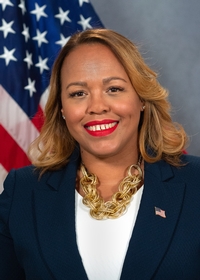
Rep. Johanny Cepeda-Freytiz
Sponsored bills
Maddy summaryThis bill amends Pennsylvania vehicle laws to clarify requirements for child safety restraint systems in vehicles. It specifies that seats equipped by the manufacturer to install child passenger or rear-facing restraint systems, as well as those for child booster seats, must comply with specific regulations. The changes update the text to ensure these seating positions are properly included in the legal definitions for required safety equipment.
Maddy summaryThis bill requires school directors in Pennsylvania to complete mandatory training programs to improve their ability to lead school boards. New directors must finish at least five hours of instruction covering topics like academics, personnel, finances, and ethics within their first year, while those seeking reappointment must complete an additional three hours of advanced training annually. The Department of Education will provide these courses for free, either directly or through a designated statewide organization that represents school directors. The training specifically includes at least one hour dedicated to trauma-informed approaches, and the law ensures that the statewide organization remains independent from the state government.
Maddy summaryThis bill amends Pennsylvania's mental health laws to require social media companies to take specific actions to protect minors, defined as individuals under 16 years of age. It mandates that platforms provide parents with notice when their child's account is flagged for sensitive content and requires explicit parental consent before a minor can open a new social media account. Additionally, the legislation imposes penalties on companies that fail to comply with these new oversight and data protection requirements.
Maddy summaryThis bill creates a new state program to distribute money to Pennsylvania municipalities based on the value of tax-exempt properties located within their borders. It establishes a specific fund and requires county offices to collect detailed annual data on these properties, including owner information and assessed values, to calculate funding amounts. The Department of Community and Economic Development will oversee this process and distribute the funds, while counties that fail to submit the required reports by the deadline will lose their ability to receive any share of the money for that year.
Maddy summaryThis bill creates the Rural Population Revitalization Commission to study and address population decline in Pennsylvania's rural areas, which are defined as counties with fewer than 291 people per square mile. The commission will gather input from various stakeholders, hold public hearings, and produce biennial reports offering recommendations on issues such as healthcare access, affordable housing, education, and job opportunities. Its membership includes representatives from government agencies, higher education, business, and community organizations, all serving without pay for two-year terms. Additionally, the legislation establishes a Rural Population Revitalization Fund to support the commission's operations and initiatives aimed at attracting and retaining residents in rural communities.
Maddy summaryThis resolution formally recognizes May 2024 as Mental Health Awareness Month in Pennsylvania to highlight the importance of mental well-being. It calls on government agencies, schools, businesses, and residents to increase understanding of mental illnesses and promote access to appropriate services. The text emphasizes that mental health issues affect people of all backgrounds and are biological disorders requiring proper treatment rather than willpower. By designating this month for awareness, the bill aims to foster a supportive environment for individuals facing mental health challenges.
Maddy summaryThis Pennsylvania resolution designates May 2024 as Preeclampsia Awareness Month to highlight the dangers of high blood pressure during pregnancy. The bill aims to encourage public education on recognizing symptoms such as sudden swelling, severe headaches, and blurred vision, which can lead to life-threatening conditions for both mothers and infants. By supporting the Preeclampsia Foundation's efforts, the measure seeks to increase awareness and promote timely medical care without imposing new laws or funding requirements.
Maddy summaryThis bill establishes a Public Transit Security Grant Program in Pennsylvania to provide funding for improving security at public transit systems. The program will be administered by the Department of Transportation, which will manage a new fund created specifically for these grants. To receive funding, transit authorities must submit applications that include a safety committee letter of support and may receive priority if they have the consent of the majority of their transit employees' associations. The legislation defines a safety committee according to federal regulations and outlines specific requirements for how grant applications must be structured and evaluated.
Maddy summaryThis bill updates Pennsylvania's divorce laws to create a more efficient legal process while prioritizing the welfare of families and children. It removes requirements for mandatory counseling and jury trials, expands the definition of what counts as living separately, and clarifies how courts should handle property division and financial support based on actual need and ability to pay. The legislation also repeals old rules regarding defenses like collusion and mental disorder, streamlining how courts issue final divorce decrees.